How to Acclimate a Plant to Brighter Light
Moving a plant from dim corner to sunny window, or from indoors to outside, causes sunburn without gradual adjustment. Here's how to safely transition plants to brighter conditions.
Potting Corner Team · Jan 9, 2026 · 7 min read
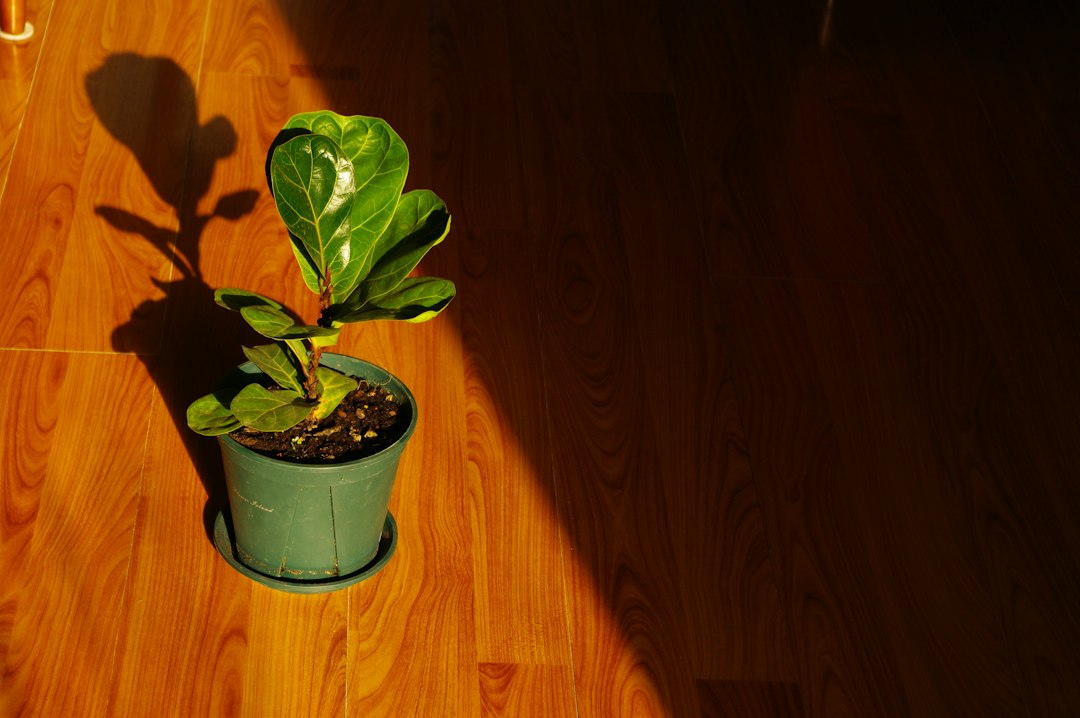
Plants can't put on sunscreen. When you move a shade-adapted plant into bright sun the leaves lack the protective compounds needed to handle intense light. The result is sunburn, bleached, scorched, or crispy leaves. Gradual acclimation over 1-2 weeks allows plants to build up sun protection and adjust their physiology safely.
For general light guidance, see Indoor Plant Light Guide.
The Direct Answer: Gradual Transition
| Transition Type | Acclimation Time |
|---|---|
| Dim indoor to bright indoor | 1-2 weeks |
| Indoor to outdoor shade | 1 week |
| Indoor to outdoor sun | 2-3 weeks |
| Nursery to your home | 1-2 weeks |
The rule: Increase light exposure gradually. Move plants in stages not all at once.
Why Acclimation Matters
Plant Physiology Adapts
Plants in low light develop:
- Larger, thinner leaves (more surface to catch light)
- Less protective pigments
- Different internal structure
- Lower tolerance for intense light
Sudden bright light overwhelms these adaptations.
Damage Is Quick, Recovery Is Slow
Sunburn happens in hours; recovery takes weeks:
- Bleached patches appear within a day
- Brown scorched spots develop
- Damaged tissue doesn't heal
- Plant must grow new leaves
Prevention Is Easy
Gradual acclimation is simple:
- Takes just a few days of attention
- Prevents irreversible damage
- Plant adjusts its physiology naturally
- Worth the effort
Step-by-Step: Indoor Light Increase
Moving a plant from a dim spot to a brighter window.
Week 1: Intermediate Position
- Move plant halfway to final position
- Or use sheer curtain to filter new spot
- Watch for stress signs (wilting, bleaching)
- Keep for 3-5 days
Week 2: Final Position
- Move to target location
- Continue monitoring for stress
- Remove filtering if used
- Plant should adapt without damage
If Stress Appears
- Move back to intermediate position
- Wait a few more days
- Try again more slowly
- Some plants take longer
Step-by-Step: Moving Plants Outdoors
Taking houseplants outside for summer, common and beneficial but risky without acclimation.
Phase 1: Deep Shade (Days 1-5)
- Place plant in full shade outdoors
- No direct sun at all
- Under a tree, covered porch, or north side of building
- Let plant adjust to outdoor air and indirect light
Phase 2: Dappled Light (Days 6-10)
- Move to spot with some filtered sun
- A few hours of dappled light through leaves
- Morning sun only (less intense)
- Monitor for stress
Phase 3: Target Exposure (Days 11+)
- Move to final outdoor location
- If full sun, continue gradual increase
- Watch first few days carefully
- Pull back if damage appears
For High-Light Outdoor Positions
If target is significant direct sun:
- Extend acclimation to 2-3 weeks
- Increase sun exposure by 1-2 hours every few days
- Morning sun first (gentler)
- Afternoon sun last (most intense)
Acclimating New Plants
Plants from nurseries may need adjustment to your home.
From Bright Greenhouse to Your Home
Nursery plants often grew in optimal light:
- Start in brightest spot you have
- If they struggle, provide as much light as possible
- Watch for signs of light stress
- May need grow lights to match previous conditions
From Store to Your Home
Store plants often lived in low light:
- Keep in medium light initially
- Gradually increase if desired
- They may have been light-starved
- Transition slowly in either direction
Signs Acclimation Is Needed
You're Increasing Light
Any significant light increase:
- Moving to a sunnier window
- Taking outdoors
- Removing curtains or obstructions
- Adding grow lights
Plant Shows Stress
Stop and reassess if you see:
- Leaves fading or bleaching
- Brown patches appearing
- Leaves curling away from light
- Wilting during peak light hours
Learn how to tell if your plant is getting too much sun.
Plants That Need Careful Acclimation
Very Sensitive to Light Change
Move these slowly:
- Calatheas
- Ferns
- Most tropicals from low light
- Variegated plants
- Thin-leaved species
More Tolerant
Can handle faster transitions:
- Succulents (already adapted to sun)
- Snake plants
- Pothos
- Philodendrons
- ZZ plants
Still benefit from some acclimation.
Factors That Affect Acclimation
Season
Summer sun is more intense:
- Spring/fall transitions are gentler
- Midsummer requires more caution
- Winter light less likely to burn
Plant Health
Healthy plants adapt better:
- Stressed plants are more vulnerable
- Address other issues before moving
- Well-watered plants handle sun better
Previous Light History
Plants adjusted to very low light:
- Need longer acclimation
- May never tolerate high-light positions
- Some damage may occur regardless
Common Mistakes
Moving Directly to Full Sun
The classic error:
- Indoor plant goes straight outside
- Or dim corner to sunny window
- Burn damage within a day
- Easily prevented with patience
Not Monitoring After Moving
Damage can appear over days:
- Check plants daily during transition
- React quickly to early stress
- Move back if necessary
Assuming All Plants Are Equal
Different plants, different needs:
- Some tolerate abrupt changes
- Others burn easily
- Know your plant's sensitivity
Giving Up Too Quickly
Some plants need more time:
- If first attempt causes stress, slow down
- Don't abandon the goal
- Extend acclimation period
Moving in Both Directions at Once
Changing light and other conditions:
- One change at a time is easier for plants
- Don't repot AND move to sun simultaneously
- Reduce variables during transitions
Bringing Plants Back Indoors
Fall transition back inside also needs care:
Why It Matters
Plants adapted to outdoor conditions:
- Outdoor light is much brighter
- Sudden reduction causes stress
- May drop leaves from light shock
Reverse Acclimation
- Start by moving to shadier outdoor spot
- After a few days, bring to brightest indoor spot
- Gradually move to final position if lower light
- Accept some adjustment period
Timing
Bring plants in before cold nights:
- Below 55°F damages most tropicals
- Acclimate a few weeks before cold weather
- Don't rush due to weather, plan ahead
Frequently Asked Questions
How do I know if I'm moving too fast?
Watch for leaf damage, bleaching, browning, or curling. If these appear, slow down or move back.
Can plants ever fully adjust to different light?
Most plants can adjust significantly but some have limits. A deep-shade plant may never thrive in full sun.
What if my plant already got sunburned?
Move it back to lower light. Remove severely damaged leaves. Let new growth develop in appropriate light. Lesson learned.
Should I acclimate to lower light too?
Less critical but helpful. Plants can adjust to lower light, though they may grow slower or drop some leaves.
Do succulents need acclimation?
Even sun-loving succulents can burn if moved from dim store conditions to full outdoor sun. Acclimate them too.