How to Water Houseplants: The Beginner's Guide
Overwatering kills more houseplants than anything else but underwatering is a close second. This guide teaches you to read your plants and water correctly.
Potting Corner Team · Jan 4, 2026 · Updated Jan 11, 2026 · 13 min read
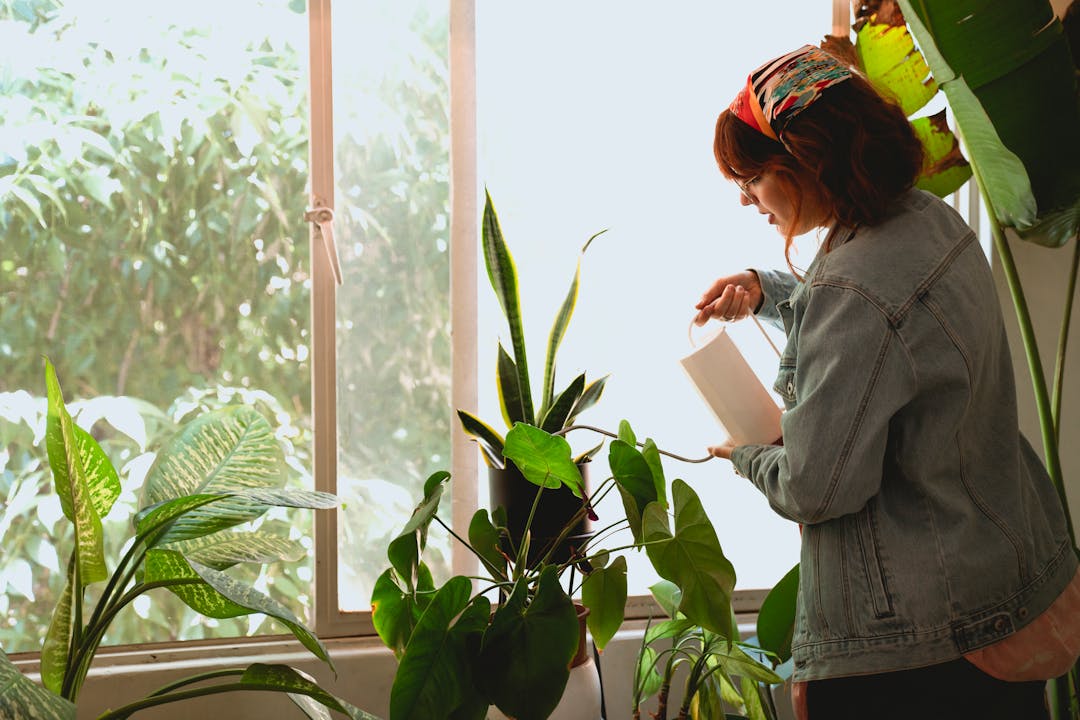
Watering seems simple just add water, right? But more houseplants die from watering mistakes than any other cause. The problem isn't that watering is hard; it's that most advice is wrong. "Water once a week" ignores everything that actually matters: your pot, your soil, your light, your humidity. This guide teaches you to stop following schedules and start reading your plants.
This is the complete beginner's guide to watering houseplants. You'll learn when to water, how much to give, what tools help and how to recognize problems before they kill your plant.
What This Guide Covers
- How to tell when your plant actually needs water
- The right way to water (and why it matters)
- Top watering vs bottom watering
- How drainage affects everything
- Water quality considerations
- Seasonal watering adjustments
- Common watering mistakes and how to fix them
- Troubleshooting watering problems
How to Tell When Your Plant Needs Water
Forget schedules. Plants don't know what day it is. They need water when their soil dries to the appropriate level and that timing varies constantly based on light, temperature, humidity, pot size and season.
The Finger Test
The most reliable method for beginners:
- Insert your finger 1-2 inches into the soil
- If it feels dry at that depth, water
- If it feels moist, wait and check again tomorrow
This works for most common houseplants. Succulents and cacti should dry deeper (2-3 inches or fully dry). Moisture-loving plants like ferns may need water when just the surface dries.
The Lift Test
Wet soil weighs significantly more than dry soil. After a few weeks with a plant, you'll learn what "watered" and "needs water" feel like when you lift the pot. This becomes second nature with practice.
Visual Cues
Some plants show you they need water:
- Slight drooping: Many plants droop before wilting, this is your early warning
- Lighter soil color: Dry soil is typically lighter than wet soil
- Pot pulling away from soil: Dry soil shrinks and separates from pot edges
- Curling leaves: Some plants curl leaves to reduce water loss
Don't wait for severe wilting. By then the plant is stressed and some damage is already done.
Moisture Meters
Moisture meters can help, especially for large pots where fingers can't reach deep enough. However:
- Cheap meters are often inaccurate
- They measure one spot not the whole root zone
- They're a tool not a replacement for observation
The Right Way to Water
How you water matters as much as when you water.
Water Thoroughly
When you water, water completely:
- Apply water slowly to the soil surface
- Continue until water runs from the drainage holes
- Wait a moment, then add more if soil absorbed it quickly
- Empty the saucer after 30 minutes
Why thorough watering matters:
- Ensures all roots receive moisture
- Flushes out salt buildup from fertilizer
- Prevents dry pockets in the soil
- Trains roots to grow deep not shallow
Avoid Shallow Watering
A quick splash that barely wets the surface:
- Only reaches the top roots
- Encourages shallow root growth
- Leaves lower roots dry
- Creates uneven moisture distribution
Shallow watering is worse than skipping a watering entirely. It keeps the plant alive but unhealthy.
Water the Soil, Not the Plant
Direct water to the soil, avoiding leaves:
- Wet leaves invite fungal problems
- Water on leaves in sunlight can cause burn spots
- Crown rot develops when water sits in plant centers
- Soil is where roots are that's where water belongs
For plants with dense foliage covering the soil, use a watering can with a narrow spout or water from below.
Top Watering vs Bottom Watering
There are two main watering methods and each has its place.
Top Watering
The standard method: pour water on the soil surface.
Advantages:
- Flushes salts from soil
- Easy to see when you've watered enough
- Works for all pot types
- Faster than bottom watering
Disadvantages:
- Can disturb soil surface
- May splash onto leaves
- Uneven if poured too quickly
Best for: Most situations, routine watering, pots with good drainage.
Bottom Watering
Set the pot in a container of water and let soil absorb moisture from below.
Advantages:
- Keeps leaves dry
- Encourages roots to grow downward
- Good for plants that hate wet foliage (African violets)
- Ensures thorough soil saturation
Disadvantages:
- Takes longer (15-30 minutes)
- Doesn't flush salt buildup, requires occasional top watering
- Won't work with hydrophobic (water-repelling) soil
- Requires a container to hold water
Best for: Plants sensitive to wet foliage, very dry soil that needs rehydrating, plants prone to crown rot.
Learn more in our complete bottom watering guide.
Combining Both Methods
For most plants the best approach is:
- Top water normally
- Bottom water occasionally when soil has dried significantly
- Always top water every few weeks to flush salts
Why Drainage Is Non-Negotiable
Every pot needs drainage holes. No exceptions. No matter what you read about "drainage layers"—that's a myth.
What Happens Without Drainage
In a pot with no holes:
- Excess water has nowhere to go
- It collects at the bottom
- Soil stays saturated
- Roots can't breathe
- Root rot develops
- Plant dies
This process can take weeks or months, so the connection isn't always obvious. But it's happening.
Drainage Holes Allow Mistakes
Drainage is forgiving. If you overwater a pot with drainage holes the excess flows out. Without holes, every drop stays trapped.
Using Cachepots Safely
A cachepot (decorative pot without drainage) can hold a plastic nursery pot that does have drainage. The rules:
- Water in a sink, let drain, return to cachepot
- Or pour out any water collected in the cachepot after watering
- Never let the inner pot sit in water
Learn why drainage holes matter for plant health. Our guide on choosing pots covers materials and sizing.
Water Quality Matters
Most tap water is fine for most plants. But some situations require adjustment.
When Tap Water Works
Tap water is perfectly acceptable if:
- Your plants are common houseplants (pothos, philodendron, spider plant)
- You don't see mineral buildup on pots
- Your plants aren't showing brown leaf tips
When to Consider Alternatives
Some plants are sensitive to tap water chemicals:
- Calatheas and marantas: Often react to fluoride with brown tips
- Carnivorous plants: Require pure water, tap water kills them
- Dracaenas: Sensitive to fluoride
- Spider plants: Often show brown tips from fluoride
If you notice problems, try:
- Filtered water
- Rainwater
- Distilled water (for very sensitive plants)
- Letting tap water sit overnight (removes chlorine not chloramine or fluoride)
Water Temperature
Use room temperature water. Cold water shocks roots, especially for tropical plants. Hot water can damage roots. Fill your watering can ahead of time and let it reach room temperature.
Seasonal Watering Adjustments
Your watering frequency should change with the seasons.
Spring and Summer (Growing Season)
- More light = more photosynthesis = more water use
- Higher temperatures = faster evaporation
- Active growth = higher water demand
- You'll likely water more frequently
Fall and Winter (Dormant Season)
- Less light = less photosynthesis = less water use
- Cooler temperatures (unless heated heavily) = slower evaporation
- Dormant or slow growth = lower water demand
- You'll likely water less frequently
Many people overwater in winter because they don't adjust. A plant that needed water every 5 days in July might need water every 10-14 days in January.
Adjusting, Not Abandoning
Seasonal adjustment doesn't mean stopping watering. It means:
- Checking soil more carefully before watering
- Expecting longer intervals between waterings
- Reducing but not eliminating water
Even dormant plants still need occasional water to keep roots alive.
Factors That Affect Watering Frequency
Watering frequency is never one-size-fits-all. These factors all influence how often you'll water:
Light Level
- Bright light = faster drying
- Low light = slower drying
Plants in low light use less water because they photosynthesize less. If you move a plant to a darker spot, reduce watering. Our indoor plant light guide helps you find the right spot for each plant.
Pot Size and Material
- Small pots dry faster than large pots
- Terracotta breathes and dries faster than plastic or ceramic
- Glazed pots retain moisture longer
Our pot materials guide compares terracotta, plastic and ceramic options.
Soil Type
- Peat-based mixes retain moisture
- Bark-based or chunky mixes drain faster
- Compacted, old soil may become hydrophobic (repelling water)
Plant Size
- A large plant in a small pot drinks fast
- A small plant in a large pot leaves soil wet longer
Humidity
- Low humidity = faster evaporation from soil and leaves
- High humidity = slower drying
Root Health
- Healthy roots absorb water efficiently
- Damaged or rotted roots absorb poorly soil stays wet
This last point matters: if soil stays wet for unusually long, check the roots. Poor drainage might not be the pot it might be the roots.
Common Watering Mistakes
Overwatering
The number one plant killer. Signs:
- Yellowing leaves, especially lower ones
- Mushy stems at the soil line
- Soil that never seems to dry
- Foul smell from soil
- Fungus gnats in abundance
Overwatering doesn't mean too much water at once it means watering too frequently before soil can dry.
Fix: Let soil dry appropriately before watering again. Check root health if the problem persists. For a complete diagnosis, see Houseplant Troubleshooting: Common Problems and Fixes.
Underwatering
Less common but still damaging. Signs:
- Wilting that recovers slowly after watering
- Crispy brown leaf edges
- Leaves dropping while still green
- Slow or stunted growth
- Soil pulling away from pot edges
Fix: Water thoroughly. If soil is hydrophobic, bottom water or add water slowly in stages.
Following a Schedule
"Water every Sunday" ignores reality. Your plant's needs change constantly. A schedule might work during one season and kill the plant in another.
Fix: Check soil before watering. Let the plant tell you when it's thirsty.
Using Ice Cubes
This viral "hack" delivers cold water slowly but cold shocks roots and the amount is inadequate for most plants.
Fix: Use room-temperature water, applied thoroughly.
Ignoring Drainage
Whether it's pots without holes or cachepots that collect water, poor drainage leads to root rot.
Fix: Use pots with drainage holes. Empty saucers after watering.
Misting Instead of Watering
Misting doesn't water plants it temporarily raises humidity around leaves. Roots still need actual watering.
Fix: Water the soil. Mist only if trying to increase humidity for specific plants.
Shallow Watering
A splash on top doesn't reach lower roots.
Fix: Water until it runs from drainage holes.
Troubleshooting Watering Problems
Soil Dries Too Fast
If you're watering every 2-3 days and the plant still wilts:
- Plant may be root-bound (needs repotting)
- Pot may be too small
- Location may be too hot or bright
- Soil may be old and broken down
If repotting is needed, follow our step-by-step repotting guide.
Soil Stays Wet Too Long
If soil takes more than 7-10 days to dry:
- Light may be too low
- Pot may lack drainage
- Pot may be too large for the plant
- Soil may be too dense
- Roots may be damaged or rotted
Check roots if this pattern continues. Root rot is likely developing.
Water Runs Through Without Absorbing
This indicates hydrophobic soil the soil repels water. Common with very dry peat-based mixes.
Fix: Bottom water to rehydrate, or water slowly in stages allowing absorption between applications.
Standing Water in Saucer After Hours
If water sits in the saucer for more than 30 minutes:
- Pot may be draining too slowly
- Soil may be too dense
- You may have watered too much (less likely with drainage)
Fix: Empty the saucer. Improve drainage if it recurs.
Frequently Asked Questions
How do I know if I'm overwatering or underwatering?
Check the soil. If it's wet and the plant looks bad, you're overwatering. If it's dry and the plant looks bad, you're underwatering. Yellowing leaves with wet soil = overwatering. Crispy leaves with dry soil = underwatering.
Should I water my plants on a schedule?
No. Check soil moisture before watering. "Water when dry to appropriate depth" beats any schedule.
Is tap water okay for houseplants?
For most plants, yes. If you notice brown tips or mineral buildup, try filtered or distilled water for sensitive species.
How much water should I give each time?
Water until it runs from the drainage holes. This ensures thorough saturation. The amount varies by pot size, focus on drainage runoff not volume.
My plant is wilting but the soil is wet. What's wrong?
Likely root rot. Overwatered roots can't absorb water, so the plant wilts despite wet soil. Check roots immediately. Our root rot guide explains how to save affected plants.
Should I mist my plants?
Misting doesn't replace watering. It temporarily raises humidity but doesn't provide water to roots. Some plants benefit from humidity; others don't need it.
Can I use cold water straight from the tap?
Room temperature is better. Cold water can shock roots, especially for tropical plants. Fill your watering can in advance.
How do I water when I'm on vacation?
Several options exist: self-watering pots, watering globes, wicking systems, or asking someone to help.
Conclusion
Watering well comes down to observation not schedules. Check your soil before watering. Water thoroughly when the plant needs it. Ensure proper drainage. Adjust seasonally. These simple principles prevent most watering problems.
When issues do arise they almost always trace back to overwatering or poor drainage. Learn to recognize the signs early and you'll save plants that might otherwise die.
Related Guides
- How to Know When a Plant Needs Water
- Drainage Holes: Why They Matter
- How to Tell If You're Overwatering
- How to Tell If You're Underwatering
- Root Rot: How to Identify and Save Your Plant
- How to Repot a Houseplant: Step-by-Step Guide for Beginners
- Indoor Plant Light Guide: Where to Place Houseplants
- Houseplant Troubleshooting: Common Problems and Fixes
- Indoor Plants for Beginners: Easy Plants and Care Basics