Indoor Plant Light Guide: Where to Place Houseplants
"Bright indirect light" is the most common and most confusing, plant care instruction. This guide translates light terms into actual window positions and room placements.
Potting Corner Team · Jan 5, 2026 · Updated Jan 11, 2026 · 13 min read
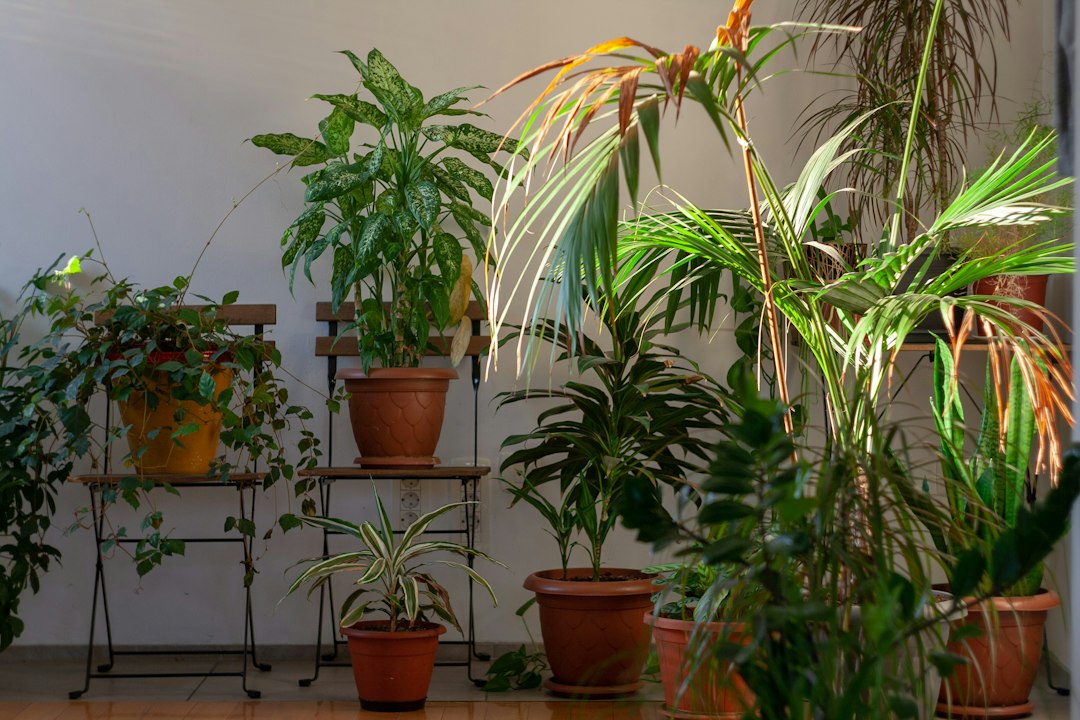
Light is the most important factor in houseplant success and the most misunderstood. "Bright indirect light" appears on every plant tag but what does it actually mean? Where in your home does that exist? This guide translates confusing light terminology into specific window positions and room placements, so you can stop guessing and start placing your plants where they'll thrive.
This is the complete beginner's guide to indoor plant lighting. You'll learn what different light levels mean, how window direction affects your options and how to tell if your plant is getting too much or too little light.
What This Guide Covers
- What light terms actually mean in your home
- How window direction affects light
- Where to place plants for each light level
- Signs your plant isn't getting the right light
- How seasons and obstructions change light
- When and how to use grow lights
- Common placement mistakes
Understanding Light Terms
Plant care instructions use frustrating vague terms. Here's what they mean in practice.
Direct Light
Sunlight hits the plant unobstructed. The plant casts a sharp, distinct shadow.
Where you find it:
- Within 2 feet of a south or west window
- Unshaded east window in morning
- Outdoors or in a sunroom
Which plants want it:
- Cacti and many succulents
- Some herbs (basil, rosemary)
- Citrus and fruiting plants
- Few typical houseplants
Bright Indirect Light
Lots of light but sunlight doesn't directly touch leaves. The plant casts a soft shadow.
Where you find it:
- 2-5 feet from south or west windows
- Right next to north windows (which never give direct sun)
- Near east windows after morning sun passes
- In rooms with large windows, even away from them
Which plants want it:
- Most tropical houseplants
- Pothos, philodendrons, monsteras
- Fiddle leaf figs, rubber plants
- Peace lilies, calatheas
- Most flowering houseplants
This is what the majority of houseplants prefer.
Medium Light
Moderate light, you can comfortably read without additional lighting.
Where you find it:
- 5-10 feet from bright windows
- Near windows with sheer curtains
- In rooms with moderate natural light
- North windows (which are lower light than other directions)
Which plants want it:
- Dracaenas
- Chinese evergreens
- Pothos (tolerates wide range)
- Some ferns
Low Light
Enough light to see comfortably but not to read in shadows. Still not "no light."
Where you find it:
- Far corners of rooms with windows
- Near north-facing windows in dim rooms
- Areas that get reflected light only
- Interior rooms with some natural light
Which plants tolerate it:
- Snake plants
- ZZ plants
- Pothos (will grow slowly)
- Cast iron plants
- Some dracaenas
Important: "Low light tolerant" doesn't mean "thriving." These plants survive in low light, they'd prefer more.
For the full story on what "low light" really means, see our guide to low light indoor plants.
No Light
Closets, bathrooms without windows, interior hallways.
No plant survives true darkness. Don't place real plants where there's no light. Use artificial plants or install grow lights.
Window Direction: The Complete Guide
The direction your window faces determines what kind of light your plants can get.
South-Facing Windows
The brightest option in the Northern Hemisphere.
Characteristics:
- Most hours of direct sunlight
- Strongest midday intensity
- Bright year-round (though less in winter)
- Can be too intense for many houseplants in summer
Best for:
- Cacti and succulents (right by window)
- Most houseplants (a few feet back)
- Starting seeds
- Light-hungry plants
Watch out for:
- Leaf scorch on sensitive plants near glass
- Very hot in summer, may need sheer curtains
West-Facing Windows
Afternoon sun, often intense.
Characteristics:
- Hottest sun of the day (afternoon)
- Direct light for several hours
- Can be very intense in summer
- Moderate in morning, strong later
Best for:
- Succulents and cacti (near window)
- Most houseplants (set back or with curtain)
- Plants that handle some direct sun
Watch out for:
- Afternoon sun is harsh, more burning potential than morning
- May need sheer curtains in summer
East-Facing Windows
Morning sun gentle light.
Characteristics:
- Direct morning light (cooler, gentler)
- Bright indirect light the rest of the day
- Less intense than south or west
- Comfortable for most houseplants
Best for:
- Tropicals that want bright indirect
- Plants that can handle some direct sun (morning is gentle)
- Most common houseplants thrive here
- Great all-around location
Watch out for:
- May be insufficient for high-light plants
- Less light in winter months
North-Facing Windows
Never gets direct sunlight.
Characteristics:
- Consistent indirect light all day
- Lower intensity than other directions
- No risk of sunburn
- Cool, steady conditions
Best for:
- Truly low-light tolerant plants
- Ferns, calatheas (if room is otherwise bright)
- Snake plants, ZZ plants
- Plants sensitive to direct sun
Watch out for:
- Not "bright indirect"—it's just "indirect"
- May be too dim for many tropicals
- Seasonal changes make winter very dark
For detailed placement strategies, see our window direction guide.
How Distance Affects Light
Light intensity drops dramatically as distance from the window increases.
The 50% Rule
Every time you double the distance from a window, light intensity drops by approximately 75%.
- At the window: 100% available light
- 2 feet away: ~50%
- 4 feet away: ~25%
- 8 feet away: ~12%
That corner of your room gets a tiny fraction of what's at the window.
Practical Distance Guidelines
Within 2 feet: Direct or near-direct light 2-5 feet: Bright indirect for most windows 5-10 feet: Medium light (from bright windows) 10+ feet: Low light for most rooms
These are approximations, your room size, ceiling color, obstructions and window size all matter.
Signs Your Plant Is Getting Wrong Light
Light problems often show up as other symptoms. For a complete troubleshooting overview, see Houseplant Troubleshooting: Common Problems and Fixes.
Too Little Light
Symptoms develop over weeks or months:
- Leggy, stretched growth: Stems elongate toward light source
- Smaller new leaves: Plant can't produce full-sized foliage
- Loss of variegation: Variegated leaves revert to green
- Pale or yellowing leaves: Chlorophyll production drops
- Slow or no growth: Even during growing season
- Dropping leaves: Especially lower ones in shade
- Leaning dramatically: Growing toward the light source
Too Much Light
Symptoms can appear within days:
- Scorched or bleached patches: Usually on the side facing sun
- Brown, crispy spots: Sunburn damage
- Faded colors: Washed-out appearance
- Wilting during peak sun: Even with moist soil
- Leaves curling away from light: Trying to escape intensity
- Red or purple coloring: Stress response in some plants
Learn how to tell if your plant is getting too much sun.
Seasonal Light Changes
Indoor light changes significantly with seasons.
Summer
- Longest days, most intense light
- Higher sun angle means light reaches deeper into rooms
- Risk of scorching increases
- Plants may need to move back from windows
Winter
- Shortest days, weakest light
- Low sun angle, light may not penetrate as far
- Many plants struggle with light reduction
- May need to move plants closer to windows or add grow lights
Adjusting for Seasons
Options for handling seasonal changes:
- Move plants: Closer to windows in winter, farther in summer
- Rotate plants: Regular rotation prevents lopsided growth
- Add grow lights: Supplement natural light in dark months
- Accept slower growth: Normal winter dormancy for most plants
Obstructions That Reduce Light
Things that block or filter light:
Trees and Buildings
Outside obstructions:
- Trees in leaf reduce summer light significantly
- Buildings across the street block light angles
- Seasonal: deciduous trees let more light through in winter
Curtains and Blinds
Inside filters:
- Sheer curtains reduce intensity by 20-50%
- Heavy curtains or closed blinds block most light
- May be necessary for protecting sensitive plants
Overhangs and Awnings
Architectural features:
- Reduce light reaching windows
- Bigger impact on upper parts of windows
- Consider when evaluating window potential
Room Characteristics
Interior factors:
- Dark wall colors absorb light
- White walls reflect and amplify light
- Mirrors can redirect light to darker areas
- Large rooms disperse light more than small ones
Using Grow Lights
When natural light isn't enough, supplemental lighting helps.
When to Consider Grow Lights
- Rooms with small or north-facing windows
- Winter months with short days
- High-light plants in low-light spaces
- Seedlings and propagation
- Interior rooms with minimal natural light
Types of Grow Lights
LED grow lights: Most efficient, various spectrums, cool running Fluorescent tubes: Affordable, good for shelves, moderate heat Full-spectrum bulbs: Fit standard fixtures, easy to use
Basic Setup
For supplementing natural light:
- Position lights 6-12 inches above plants
- Run 10-14 hours per day (timer recommended)
- Match intensity to plant needs
- Watch for signs of too much (burning) or too little (stretching)
For complete guidance, see our grow lights for beginners guide.
Placement Strategies by Room
Living Room
Often has the largest windows:
- Place high-light plants near windows
- Use stands to elevate plants toward light
- Interior areas can host low-light tolerant plants
- Rotate plants for even growth
Bedroom
Usually smaller windows:
- North or east windows work for many plants
- Consider low-light tolerant species for dim bedrooms
- Plants near the bed need stable watering (not on nightstands that get bumped)
Bathroom
High humidity, often poor light:
- Bathrooms with windows: great for humidity-lovers
- Windowless bathrooms: need grow lights or no plants
- Match light tolerance to actual window conditions
Kitchen
Variable light and conditions:
- Above-sink windows often face various directions
- May be near heat sources (stove, oven)
- Herbs near bright windows can thrive
- Watch for temperature fluctuations
Office or Study
Needs practical placement:
- Desktop plants need adequate light or grow lights
- Near windows if possible
- Low-light plants for interior desks
Measuring Light (Optional)
If you want precision:
Light Meter Apps
Smartphone apps measure light in foot-candles or lux:
- Free options exist (accuracy varies)
- Useful for comparing spots in your home
- Not as accurate as dedicated meters but helpful
Foot-Candle Guidelines
Rough targets:
- Low light: 50-150 foot-candles
- Medium light: 150-500 foot-candles
- Bright indirect: 500-1000 foot-candles
- Direct sun: 1000+ foot-candles
For more precision, see our guide to light levels and foot-candles explained.
Common Placement Mistakes
Assuming Rooms Are Bright
A room that feels bright to you may be dim for plants. Your eyes adjust, plants can't.
Placing Far from Windows
That corner looks like a perfect plant spot but it probably gets 10% of window light or less.
Ignoring Window Direction
South windows and north windows are dramatically different. Know what you're working with.
Not Adjusting for Seasons
Plants that thrived in summer may struggle in winter without intervention.
Blocking Light with Other Plants
Large plants near windows shade smaller ones behind them. Arrange strategically.
Choosing Plants Before Assessing Light
Pick plants for your available light not the other way around. You can't will a cactus to thrive in a dark corner.
Frequently Asked Questions
What does "indirect light" actually mean?
Light that illuminates the space without sun rays directly hitting the plant. Near a sunny window but not in the sunbeam itself. The plant casts a soft or no shadow.
Can my plant survive with only artificial room lighting?
Ceiling lights and lamps don't provide enough light for most plants. You need dedicated grow lights if natural light isn't available.
How do I know which window in my house faces south?
Use a compass app on your phone. Or observe: in the Northern Hemisphere, south-facing windows get the most direct sun throughout the day.
My plant tag says "low light." Is my north window okay?
Depends on the room and plant. "Low light" is relative, north windows in bright rooms differ from north windows in dim apartments. Try it and watch for signs of light stress.
Should I move my plant throughout the day to follow the sun?
No that's exhausting for you and unnecessary. Pick an appropriate spot and leave the plant there. Rotate periodically for even growth.
Can I compensate for low light with more water or fertilizer?
No. Light is light. More water or fertilizer won't substitute and can cause additional problems. In fact, watering a low-light plant the same as a bright-light plant often leads to overwatering, see How to Water Houseplants for proper technique.
Conclusion
Light placement isn't mystical it's about understanding what your windows provide and matching plants to those conditions. South windows deliver the most light, north the least. Distance from windows matters enormously. When in doubt, choose tolerant plants and place them as close to windows as practical.
If your current plants are struggling, assess their light honestly. Moving a plant a few feet can transform its health.
Related Guides
- How to Repot a Houseplant: Step-by-Step Guide
- How to Water Houseplants: The Beginner's Guide
- Houseplant Troubleshooting: Common Problems and Fixes
- Indoor Plants for Beginners: Easy Plants and Care Basics
- Low Light Indoor Plants: What "Low Light" Really Means
- How to Tell If Your Plant Is Getting Too Much Sun
- Grow Lights for Beginners: Simple Setup
- Window Direction Guide (North/South/East/West)