Indoor Plants for Beginners: Easy Plants and Care Basics
New to houseplants? Start here. Not all plants are created equal, some thrive on neglect while others need constant attention. This guide covers the easiest plants to grow and the fundamentals that apply to all of them.
Potting Corner Team · Jan 6, 2026 · Updated Jan 11, 2026 · 9 min read
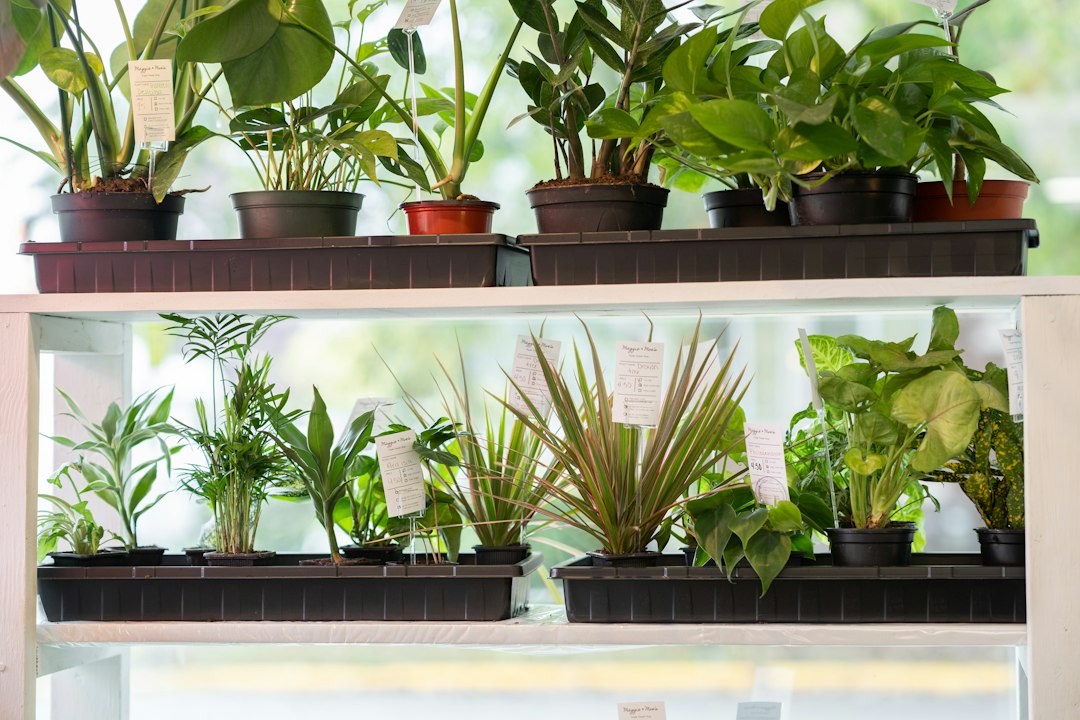
If you're new to houseplants the options can feel overwhelming. Some plants die if you look at them wrong. Others survive nearly anything. The trick is starting with forgiving species while you learn the basics, then expanding your collection as your confidence grows. This guide covers both the best beginner plants and the fundamental care principles that apply to all of them.
Starting with the Right Mindset
Plants Are Living Things (That Want to Live)
Good news:
- Plants want to survive
- Most problems are preventable
- They give you signals before they die
- You don't need a "green thumb"—just attention
The Learning Curve
What to expect:
- You'll probably kill a plant or two
- Each mistake teaches you something
- Start with indestructible species
- Upgrade to fussier plants as you learn
Three Things Matter Most
Focus on these:
- Water correctly (the #1 cause of plant death)
- Provide adequate light (the #2 cause of problems)
- Choose appropriate plants (set yourself up for success)
The Best Beginner Plants
These plants forgive mistakes and thrive in typical home conditions.
Pothos (Epipremnum aureum)
The ultimate beginner plant:
- Tolerates low light (though prefers bright indirect)
- Tells you when it needs water (leaves droop, then perk right back up)
- Grows quickly and visibly
- Nearly impossible to kill
- Trails beautifully or climbs on supports
Care: Water when top inch of soil is dry. Bright indirect light is best but it tolerates dim corners. For detailed care, see our complete pothos guide.
Snake Plant (Sansevieria/Dracaena)
Thrives on neglect:
- Weeks between waterings are fine
- Tolerates very low light
- Architectural, attractive appearance
- Nearly indestructible
- Perfect for forgetful waterers
Care: Water every 2-4 weeks, allowing soil to dry completely. Handles any light from low to bright.
See our complete snake plant care guide.
ZZ Plant (Zamioculcas zamiifolia)
Stores water in its rhizomes:
- Survives drought excellently
- Handles very low light
- Glossy, attractive leaves
- Extremely forgiving
- Slow but steady grower
Care: Water every 2-3 weeks or when soil is completely dry. Low to bright indirect light.
See our complete ZZ plant care guide.
Spider Plant (Chlorophytum comosum)
Classic and easy:
- Produces baby plants (spiderettes)
- Adapts to various conditions
- Forgiving of irregular watering
- Good air cleaner
- Fun to propagate
Care: Water when top inch is dry. Bright indirect light is best. Produces more babies with good light.
Philodendrons
Heart-leaf and other varieties:
- Similar care to pothos
- Tolerant of various conditions
- Many varieties to explore
- Trailing or climbing growth
- Fast growers
Care: Water when top inch is dry. Bright indirect light is ideal but tolerates lower light. Philodendrons have similar care requirements to pothos, see our pothos care guide for reference.
Peace Lily (Spathiphyllum)
Flowering and forgiving:
- Dramatic wilting when thirsty (then recovers fast)
- Produces white flowers
- Handles low light
- Clear communication
- Pretty addition to any room
Care: Water when leaves just start to droop or when soil is dry. Low to medium light.
Essential Care Basics
These fundamentals apply to almost every houseplant.
Watering: The Most Important Skill
More plants die from overwatering than underwatering:
- Check the soil before watering, every time
- Stick your finger 1-2 inches deep
- If dry, water thoroughly until it drains from the bottom
- If moist, wait and check again in a few days
- When in doubt, wait
The biggest mistake: Watering on a schedule instead of checking the soil. Our watering guide for beginners covers everything you need to know.
Light: The Second Most Important Factor
Light determines everything:
- Most houseplants want bright, indirect light
- "Low light tolerant" doesn't mean "no light"
- Direct sunlight burns many plants
- Distance from window matters a lot
- Observe where your light comes from
Key question: What direction do your windows face? South gets most light; north gets least. Our indoor plant light guide helps you find the right spot for every plant.
Drainage: Non-Negotiable
Every pot needs drainage:
- Drainage holes let excess water escape
- Without them roots sit in water and rot
- Use pots with holes, or use nursery pots inside decorative ones
- Never let plants sit in collected water
Learn why drainage holes matter for houseplants.
Soil: Get the Right Mix
Not all dirt is equal:
- Use potting mix designed for indoor plants
- Avoid garden soil in containers
- Good mix drains well and holds some moisture
- Different plants may need different mixes
See our guide to potting soil for houseplants and what to use.
Common Beginner Mistakes
Knowing what not to do is half the battle.
Overwatering
The #1 killer:
- More love isn't more water
- Wet soil for too long = root rot
- Check soil before watering
- It's okay to let plants dry out a bit
Choosing Difficult Plants First
Starting too hard:
- Calatheas, fiddle leaf figs and maidenhair ferns are challenging
- Start with the forgiving species listed above
- Work up to fussy plants later
- Success builds confidence
Too Little Light
Underestimating needs:
- Plants need more light than you think
- Corners far from windows are dim
- "Low light tolerant" still needs some light
- Get plants close to windows
Repotting Too Soon
New plants need time:
- Don't repot immediately after purchase
- Let plants acclimate for a few weeks
- Repot only when roots fill the pot
- Bigger pot isn't always better
When it's time, our step-by-step repotting guide walks you through the process.
Ignoring Problems
Hoping issues go away:
- Yellow leaves, pests and wilting are signals
- Address problems early
- Small problems are easier to fix
- Observation is key
When something looks wrong, our houseplant troubleshooting guide helps you diagnose and fix it.
Setting Up for Success
Start Small
Build your skills:
- Begin with 2-3 easy plants
- Master their care
- Add more as you succeed
- Quality attention beats quantity
Place Plants Near Windows
Light is crucial:
- Within 3-5 feet of a window for most plants
- South and west windows are brightest
- North windows work for low-light plants
- Observe sunlight patterns in your home
Develop a Routine
Consistency helps:
- Check plants at a regular time (weekly works well)
- Make it a habit you enjoy
- Water only when soil is dry
- Notice changes and respond
Get Basic Supplies
What you'll need:
- Pots with drainage holes
- Quality potting mix
- Watering can
- Saucers or drip trays
- Optional: moisture meter
Our houseplant tools guide covers everything you need to get started.
Reading Your Plants
Plants communicate. Learn their language.
Healthy Signs
What thriving looks like:
- Firm, upright growth
- Healthy color (varies by species)
- New leaves and growth
- No pests visible
- Leaves stay on the plant
Warning Signs
Time to investigate:
- Yellow leaves (often watering issue)
- Brown tips (humidity or watering)
- Drooping (thirsty or overwatered, check soil)
- Slow or no growth (light or rootbound)
- Pests visible
See our troubleshooting guide for yellow leaves on houseplants.
What Different Symptoms Mean
Quick reference:
- Drooping + dry soil = needs water
- Drooping + wet soil = overwatered, possible root rot
- Yellow lower leaves = often overwatering
- Leggy, stretched growth = not enough light
- Brown crispy edges = low humidity or inconsistent watering
Growing Your Skills
After You Succeed with Easy Plants
What's next:
- Try slightly more demanding species
- Experiment with propagation
- Learn about specific plant families
- Develop deeper understanding
Moderately Easy Plants to Try Next
Once you're comfortable:
- Monstera deliciosa
- Rubber plant (Ficus elastica)
- Dracaenas
- Peperomias
- Chinese evergreen
See our monstera care guide for beginners.
More Challenging Eventually
For experienced plant parents:
- Calatheas and marantas
- Fiddle leaf figs
- Ferns (especially maidenhair)
- Orchids
- Alocasias
Expanding Your Knowledge
Ways to learn more:
- Pay attention to your plants
- Read about specific species you own
- Join plant communities
- Learn from mistakes (everyone makes them)
Frequently Asked Questions
How often should I water my plants?
It depends on the plant, pot size, soil, humidity and light. Never water on a schedule. Check soil moisture and water when appropriate for that species, often when the top inch or two is dry.
What are the easiest plants for dark apartments?
Snake plants, ZZ plants and pothos tolerate lower light than most. But no plant survives in complete darkness. Position near whatever windows you have, or consider grow lights.
Is it normal for leaves to turn yellow and fall off?
Occasional lower leaves yellowing is normal aging. Multiple leaves yellowing suggests a problem, usually overwatering or underwatering. Check the soil and adjust.
How do I know if my plant is healthy?
Healthy plants show new growth during growing season, maintain firm upright posture, have consistent coloring and keep their leaves. Some leaf drop is normal but ongoing decline indicates issues.
What's the most important thing for a new plant parent to know?
Check the soil before watering. Most plant deaths are from overwatering. More plants are killed by too much love than too little attention.