Low Light Indoor Plants: What 'Low Light' Really Means
"Low light" doesn't mean "no light." It means tolerant of dim conditions not thriving in them. Here's what low light actually looks like and which plants genuinely survive it.
Potting Corner Team · Jan 11, 2026 · 7 min read
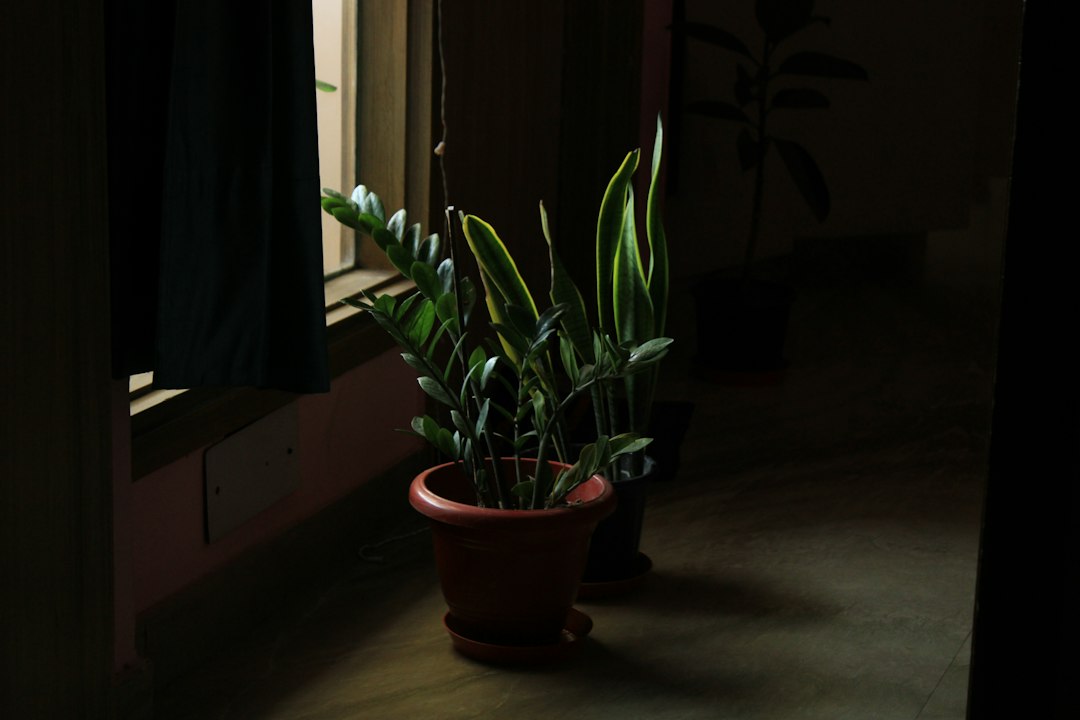
Low Light Indoor Plants: What "Low Light" Really Means
Low light is one of the most misunderstood terms in plant care. It doesn't mean a dark corner, a windowless bathroom, or a basement room. It means conditions where most plants would struggle but some resilient species can survive, typically 50-150 foot-candles of light. Even low-light plants need some light to photosynthesize. No plant lives in true darkness.
This guide clarifies what low light actually means and which plants genuinely handle it. For placement strategies, see Indoor Plant Light Guide.
The Direct Answer: Low Light Defined
| Light Level | Description | Foot-Candles |
|---|---|---|
| Low light | Can read but barely comfortable | 50-150 |
| Very low light | Dim, supplemental light helpful | 25-50 |
| No light | True darkness | 0 |
For reference, most living rooms during the day range from 50–200 foot-candles depending on distance from windows. Very low light (25-50) is only tolerable temporarily for most plants without supplemental light.
Reality check: Low-light "tolerant" plants survive in low light they don't thrive. Given more light they'll grow better.
What Low Light Looks Like
Indoor Examples
- Far corner of a room with windows
- 10-15 feet from south/west windows
- Near north-facing windows in dark rooms
- Under overhangs that block direct window light
- Areas lit mainly by reflected light
- Interior rooms with some natural light spillover
The Reading Test
If you can comfortably read a book in natural light (no lamps) it's at least low light. If you strain to read it's very low light. If you need a lamp it's probably too dark for most plants.
What Low Light Is NOT
- Windowless bathrooms (no light)
- Interior closets (no light)
- Basements without windows (no light)
- Rooms with only artificial ceiling lights (usually insufficient)
These spaces need grow lights for any real plants.
Plants That Genuinely Handle Low Light
The Truly Tolerant
These species have proven track records in dim conditions:
Snake Plants (Dracaena trifasciata, formerly Sansevieria)
- The classic low-light survivor
- Growth slows dramatically but plants persist
- Water very sparingly in low light
- Can go months without attention
ZZ Plants (Zamioculcas zamiifolia)
- Thick rhizomes store water
- Waxy leaves reduce water loss
- Extremely drought tolerant
- Can handle neglect well
Pothos (Epipremnum aureum)
- Vining plant, very adaptable
- Will grow slowly in low light
- Variegation may fade (revert to green)
- Easy to propagate
Cast Iron Plant (Aspidistra elatior)
- Named for toughness
- Slow growing regardless
- Tolerates inconsistent care
- Victorian favorite for dark parlors
Chinese Evergreen (Aglaonema)
- Many varieties with different patterns
- Handles low humidity and low light
- Some varieties better than others for dim spots
- Older, darker-leaved varieties most tolerant
Dracaenas (some species)
- Corn plant (D. fragrans)
- Janet Craig (D. deremensis)
- Slow growers that persist in low light
- May drop lower leaves more in dim conditions
Marginally Tolerant
These can survive low light but really prefer medium:
- Peace lilies (won't bloom without more light)
- Parlor palms
- Philodendron (solid green varieties)
- Lucky bamboo
What Happens in Low Light
Growth Slows Dramatically
Photosynthesis requires light. Less light = less energy = slower growth. A snake plant in low light might produce one new leaf per year instead of several.
Variegation Fades
Variegated leaves have areas without chlorophyll. In low light, plants prioritize chlorophyll production for energy, causing:
- White parts turn green
- Patterns become less distinct
- May not return even with more light
See Why Is My Plant Not Growing? for more on slow growth.
Watering Needs Decrease
Less photosynthesis = less water consumption. Plants in low light need significantly less water than the same plant in bright light. This is where people overwater, maintaining a "normal" schedule in low-light conditions.
Leaning and Reaching
Plants grow toward light. Low-light plants often lean toward the nearest window, developing lopsided growth unless rotated.
Lower Leaf Loss
Plants may drop lower leaves that aren't getting enough light to justify maintaining them.
Avoiding Low-Light Mistakes
Don't Overwater
The biggest low-light killer:
- Less light means slower drying
- Plants use less water
- Soil stays wet for weeks
- Root rot develops
Water less frequently in low light. Check soil it will stay moist much longer than you expect.
Accept Slower Growth
Low light means slow growth. Don't fertilize heavily trying to compensate, plants can't use extra nutrients without adequate light.
Choose Appropriate Plants
Not every plant can handle low light. Matching the plant to conditions is essential. Don't force a high-light plant into a dark corner.
Consider Supplemental Light
If you want more than just survival:
- Add a grow light for a few hours daily
- Even small lights help
- See Grow Lights for Beginners
Rotate Regularly
Prevent lopsided growth:
- Turn plants 90° every week or two
- Keeps growth more even
- Especially important in low light
Maximizing Low Light
Best Low-Light Positions
- As close to windows as possible (even north-facing)
- In the sightline of windows rather than behind walls
- Near light-colored walls that reflect light
- Away from light-blocking furniture
Enhance Available Light
- Use mirrors to redirect light
- Paint walls light colors
- Keep windows clean
- Trim outdoor obstructions if possible
- Open curtains fully during the day
Accept Limitations
Some plants simply won't work in low light. If conditions can't support what you want, choose:
- Different plants that match conditions
- A different location in your home
- Supplemental grow lights
- High-quality artificial plants for true darkness
Low Light vs. No Light
The Critical Difference
Low light = dim but sufficient for adapted plants No light = darkness where nothing survives
Testing Your Space
To determine if a spot has usable light:
- Hold a piece of white paper in the location
- If you can clearly see the paper, there's light
- If the paper is barely visible it's marginal
- If you can't see it well it's too dark
Grow Lights for Dark Spaces
If you want plants in truly dark areas:
- Install grow lights on timers
- Even basic LED lights help
- 8-12 hours of supplemental light enables survival
- See Grow Lights for Beginners
Common Mistakes
Putting Any Plant in Low Light
"It says it's low light" often means "tolerates low light better than others." It doesn't mean the plant prefers it.
Overwatering Low-Light Plants
The #1 mistake. Less light = much less water needed. Check soil before watering.
Expecting Normal Growth
Low light means slow growth. Adjust expectations accordingly.
Ignoring Signs of Stress
Leggy growth, leaf drop and fading colors are signals that even tolerant plants are struggling.
Choosing Based on Looks Alone
That beautiful variegated pothos will lose its variegation in low light. Choose plants suited to conditions not just aesthetics.
Frequently Asked Questions
My room feels bright but has no direct sun. Is that low light?
Probably medium light. "Low light" is noticeably dim, you might need to squint or supplement with a lamp to read comfortably.
Can I keep any plant alive with just ceiling lights?
Standard ceiling fixtures typically don't provide enough light for plants. You'd need actual grow lights or natural light from windows.
Will my plant die in low light?
If it's a low-light tolerant species and you adjust care (less water less fertilizer) it can survive for years. It won't thrive or grow much but it won't necessarily die.
How do I know if my low-light plant is unhappy?
Signs: leggy growth reaching for light, fading colors, loss of variegation, yellowing leaves, excessive leaf drop, extremely slow growth even in growing season.