8 min read
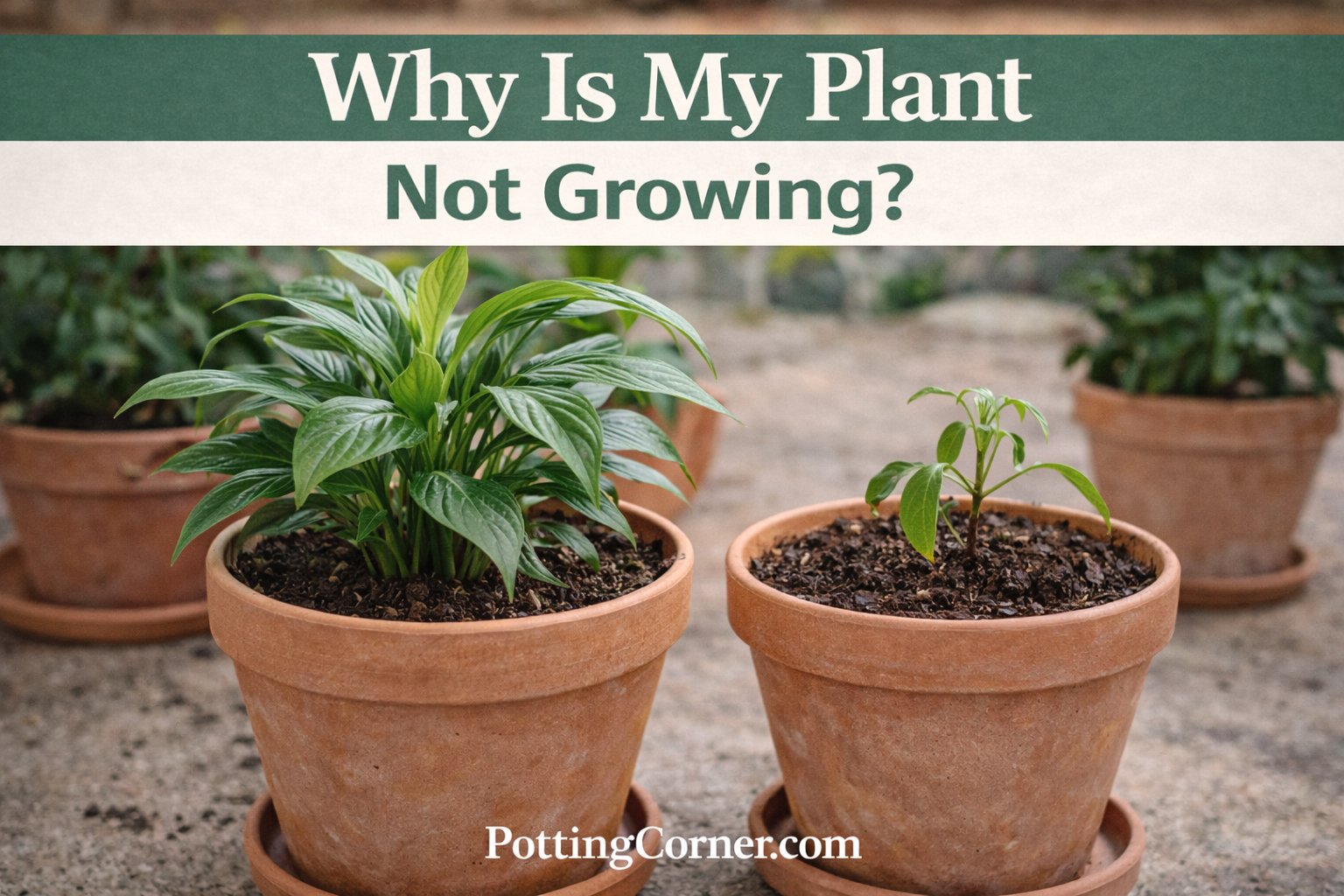
Why Is My Plant Not Growing?
Your plant has been the same size for months. No new leaves, no visible progress. The causes usually come down to light, roots, or season and most are fixable with the right adjustments.
2026-02-14
Browse all plant care guides published on Potting Corner, from repotting basics to troubleshooting common plant problems.
Your plant has been the same size for months. No new leaves, no visible progress. The causes usually come down to light, roots, or season and most are fixable with the right adjustments.
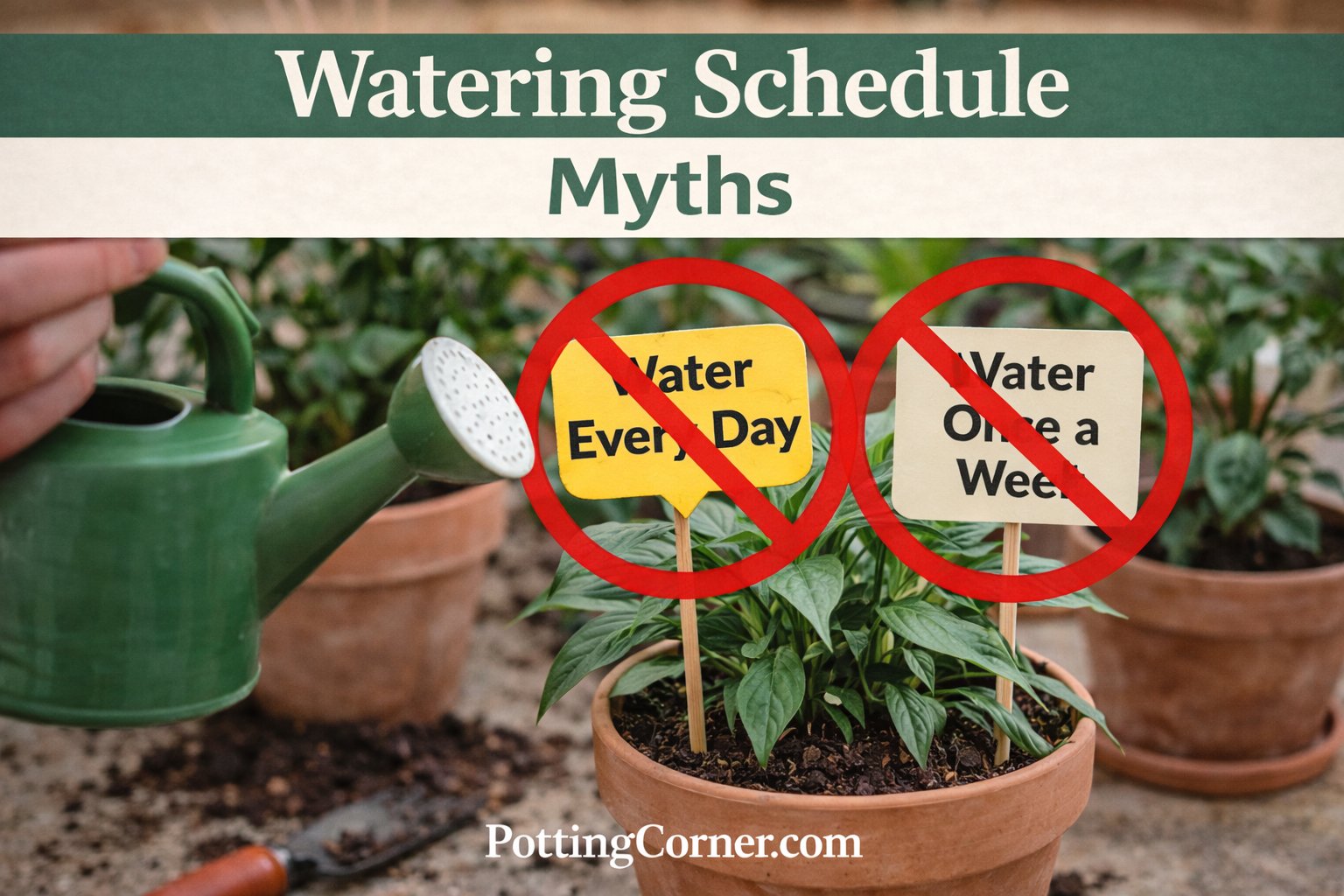
"Water every Sunday." "Give it a cup of water." "Mist daily." Common watering advice is often wrong. Here's what actually matters and it's not your calendar.
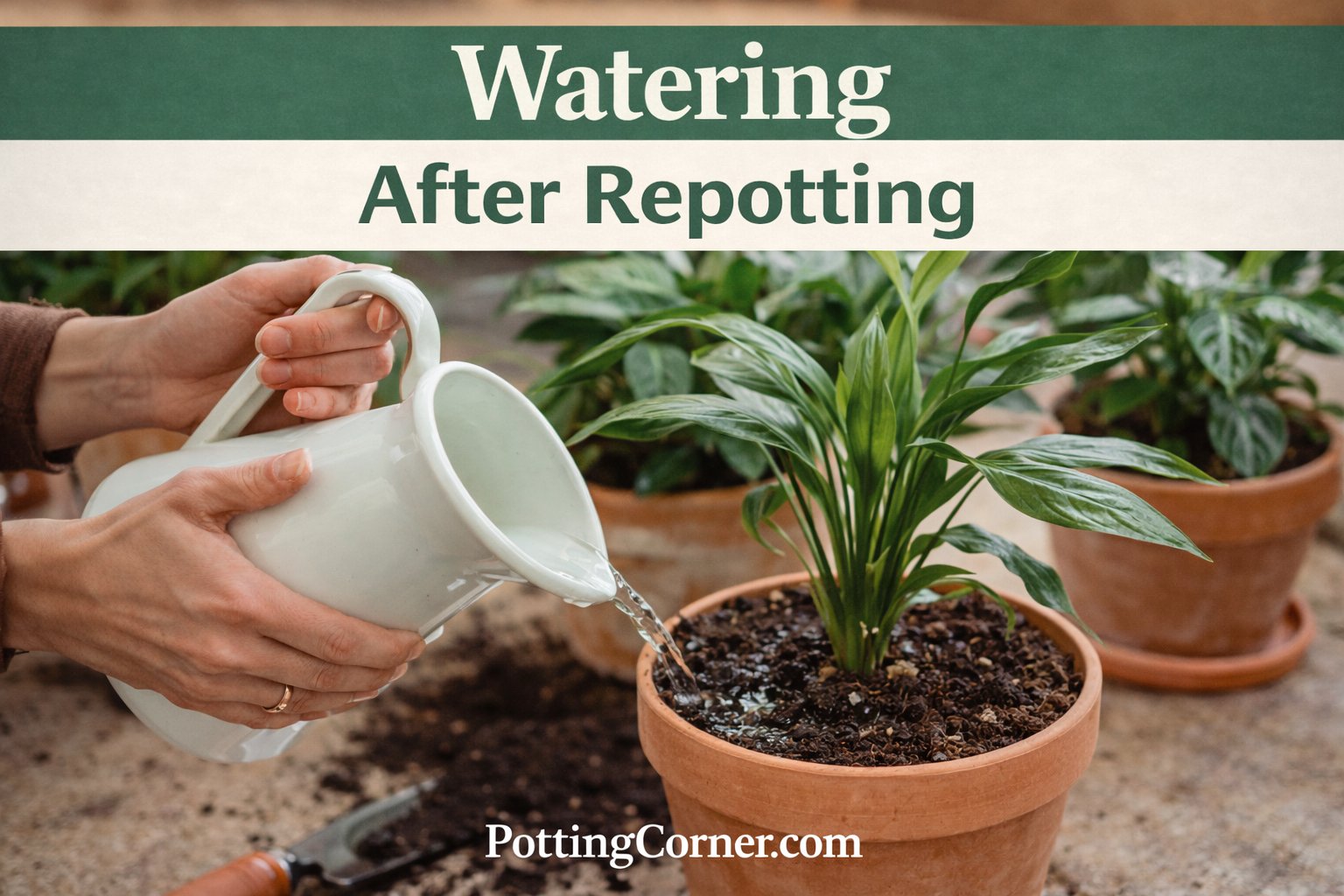
Fresh soil, stressed roots and anxious plant parents, repotting creates a perfect storm for watering mistakes. Here's exactly how to water in the critical days after repotting.
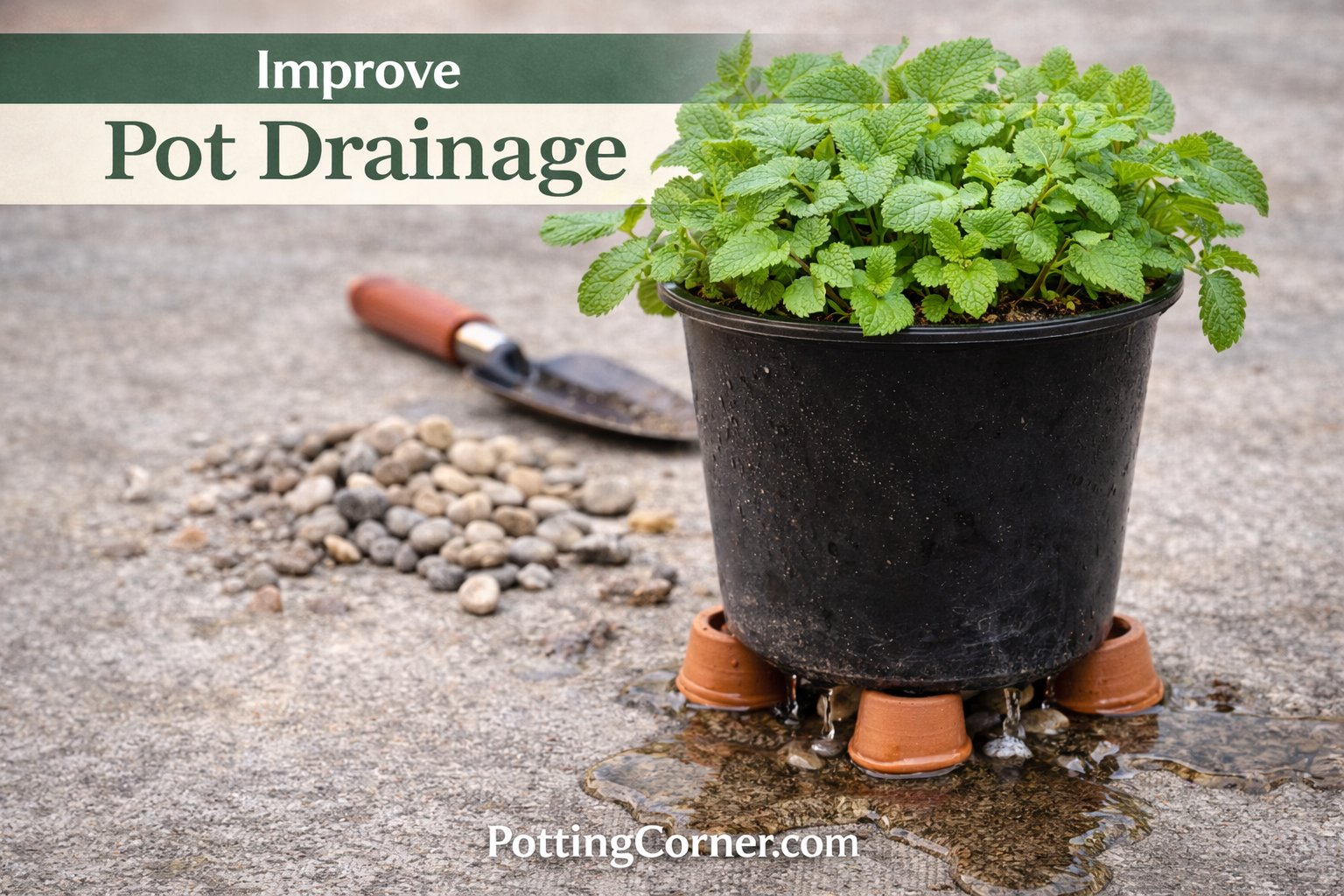
Soggy soil that never dries? The fix isn't less water it's better drainage. Amend your soil, choose the right pot and stop fighting physics.
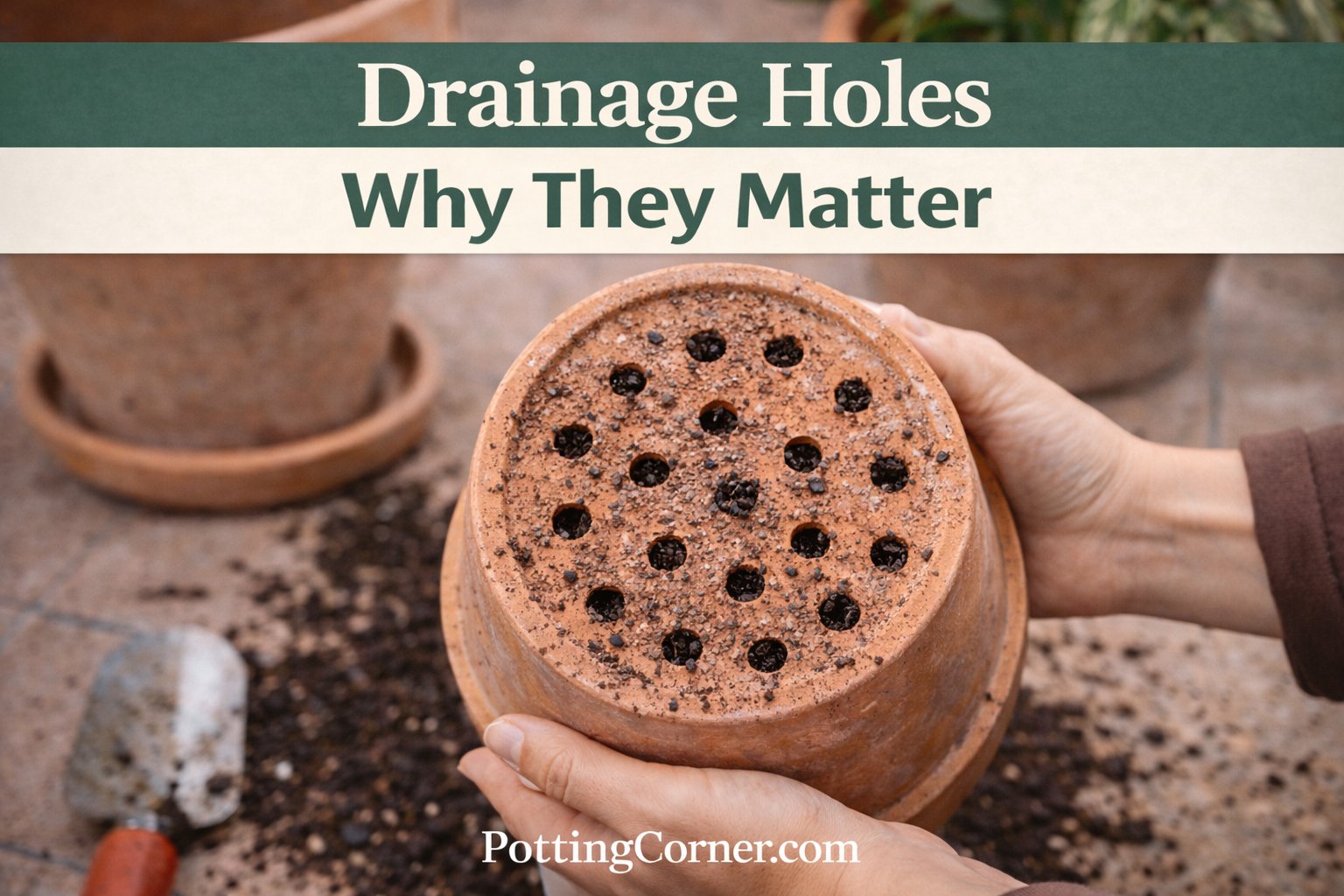
No drainage = no escape for excess water = drowned roots. It's not optional and no amount of rocks at the bottom substitutes for actual holes.
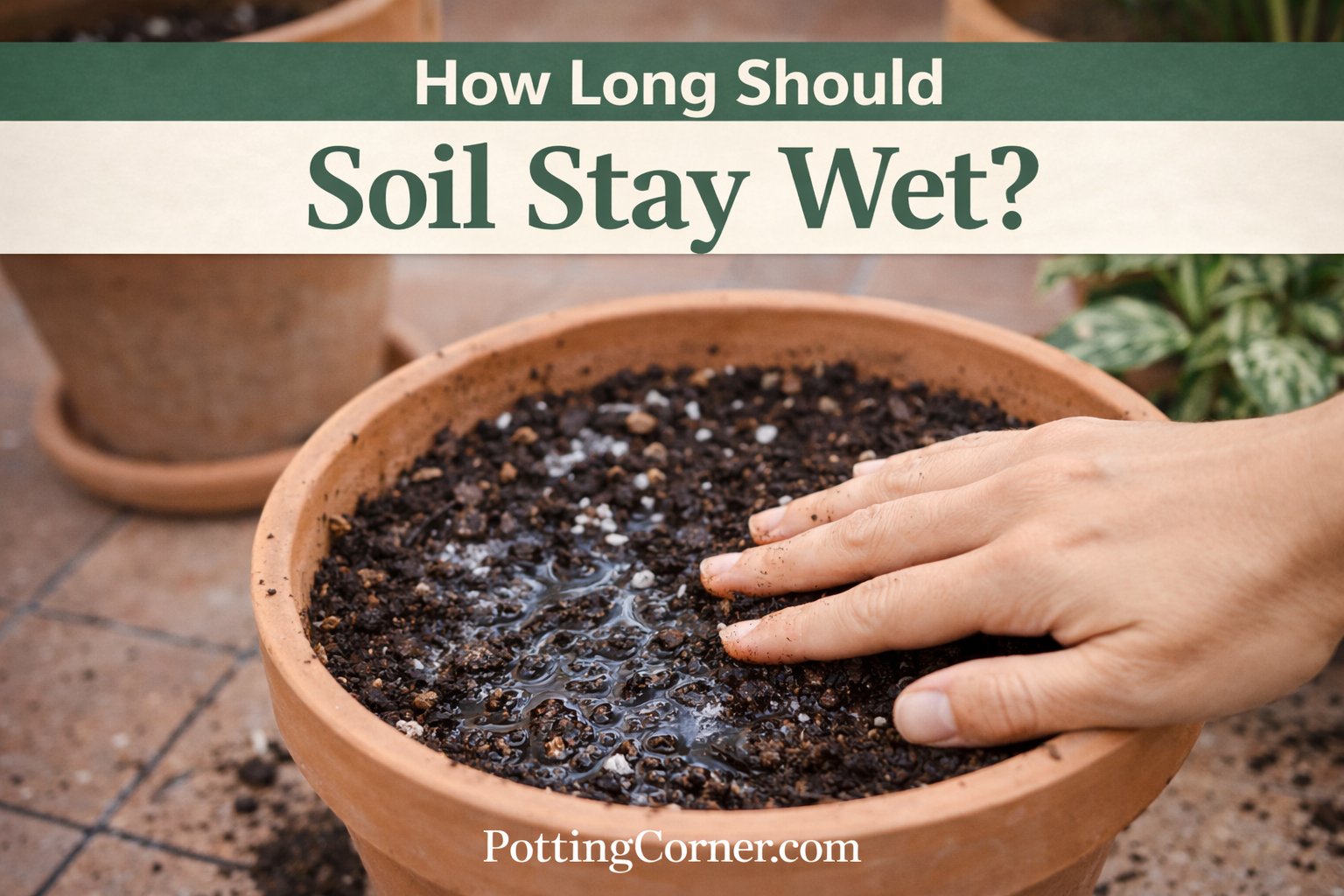
Soil that never dries invites root rot. Soil that dries in a day stresses your plant. Here's how long different plants should take to dry and what to do if your timing is off.
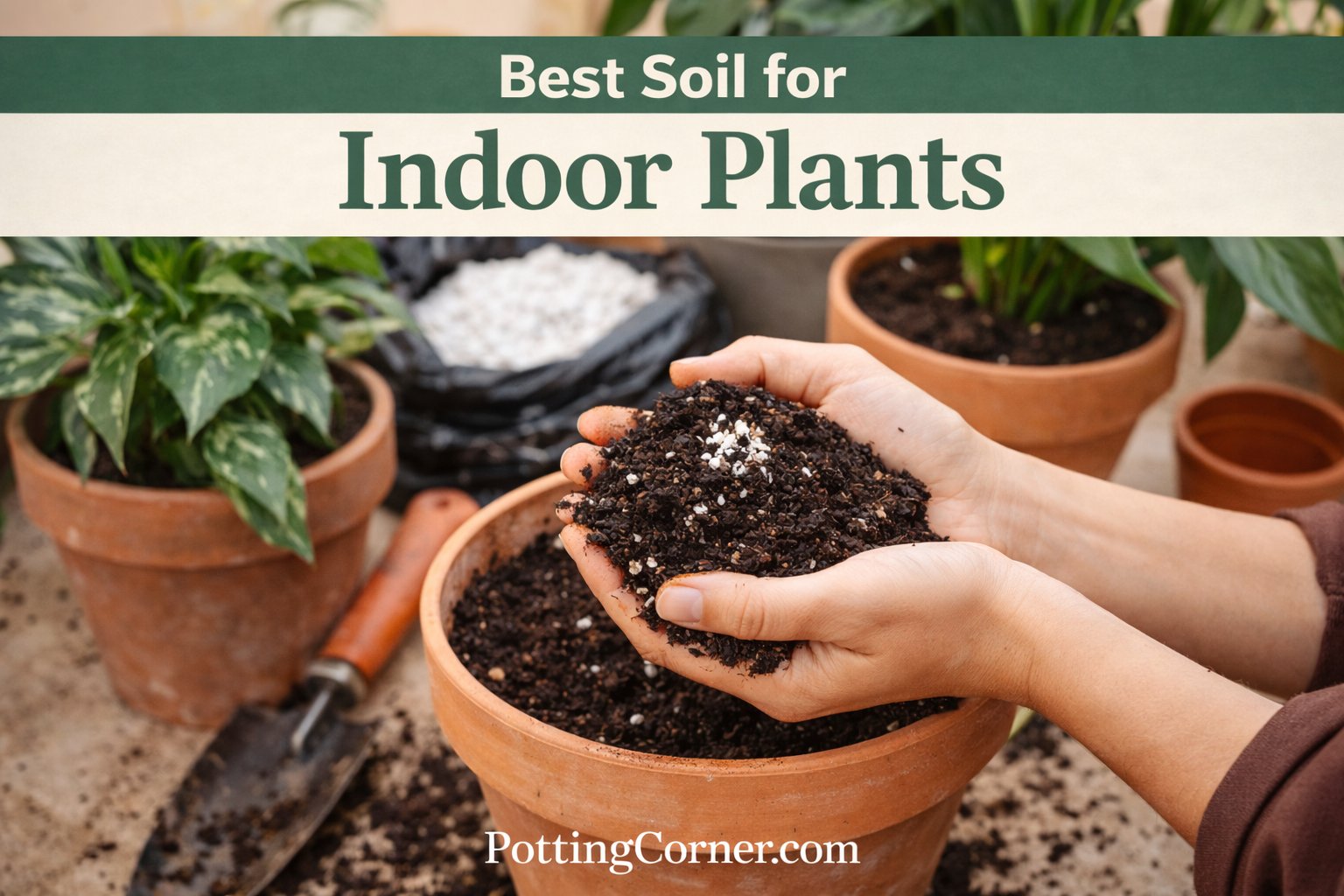
Not all potting mixes are equal and garden soil will kill your houseplants. Here's how to choose the right mix and what ingredients actually matter for indoor plants.
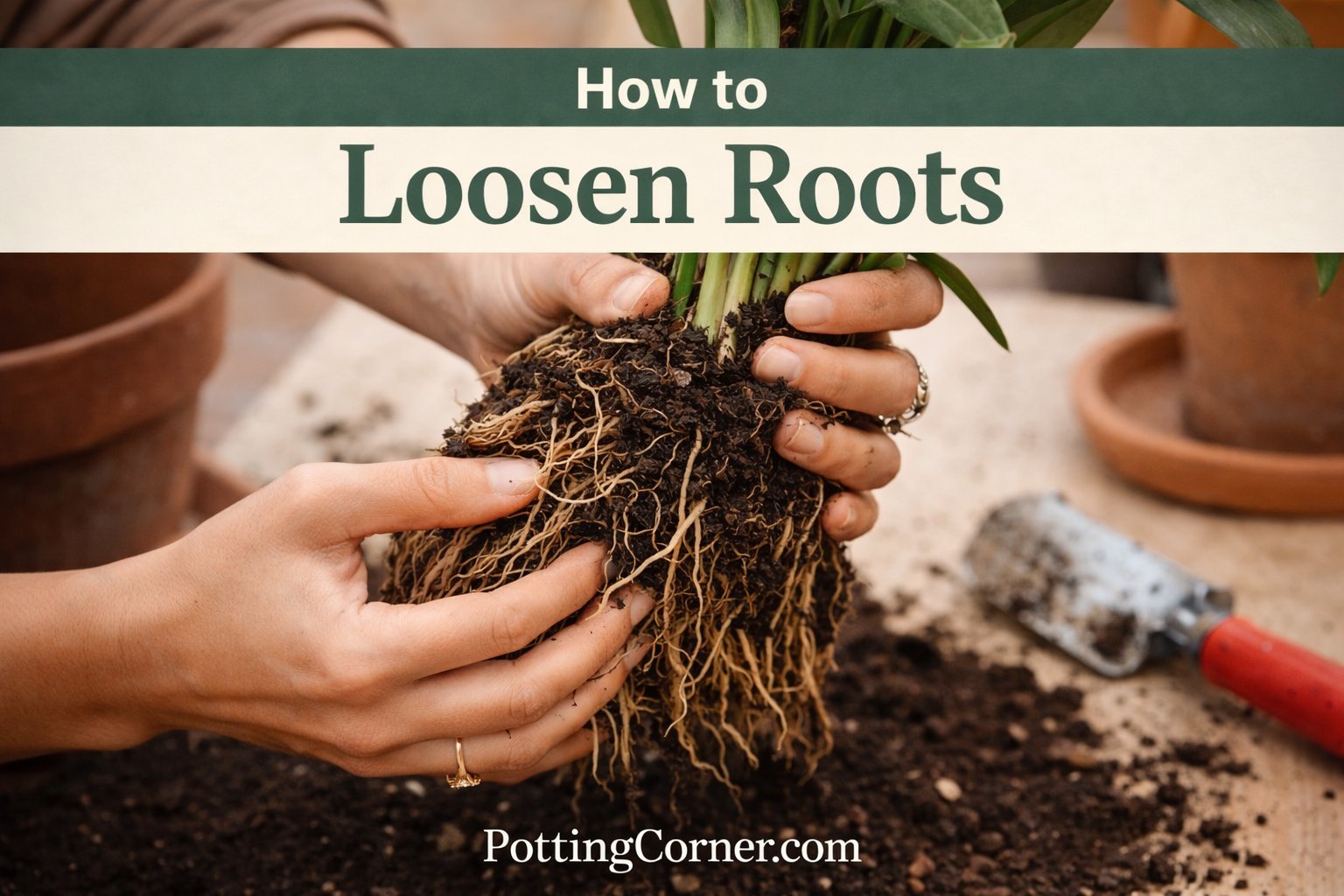
Circling roots won't magically spread out in a new pot they'll keep circling. Here's how to gently loosen, tease and cut roots to encourage healthy outward growth.
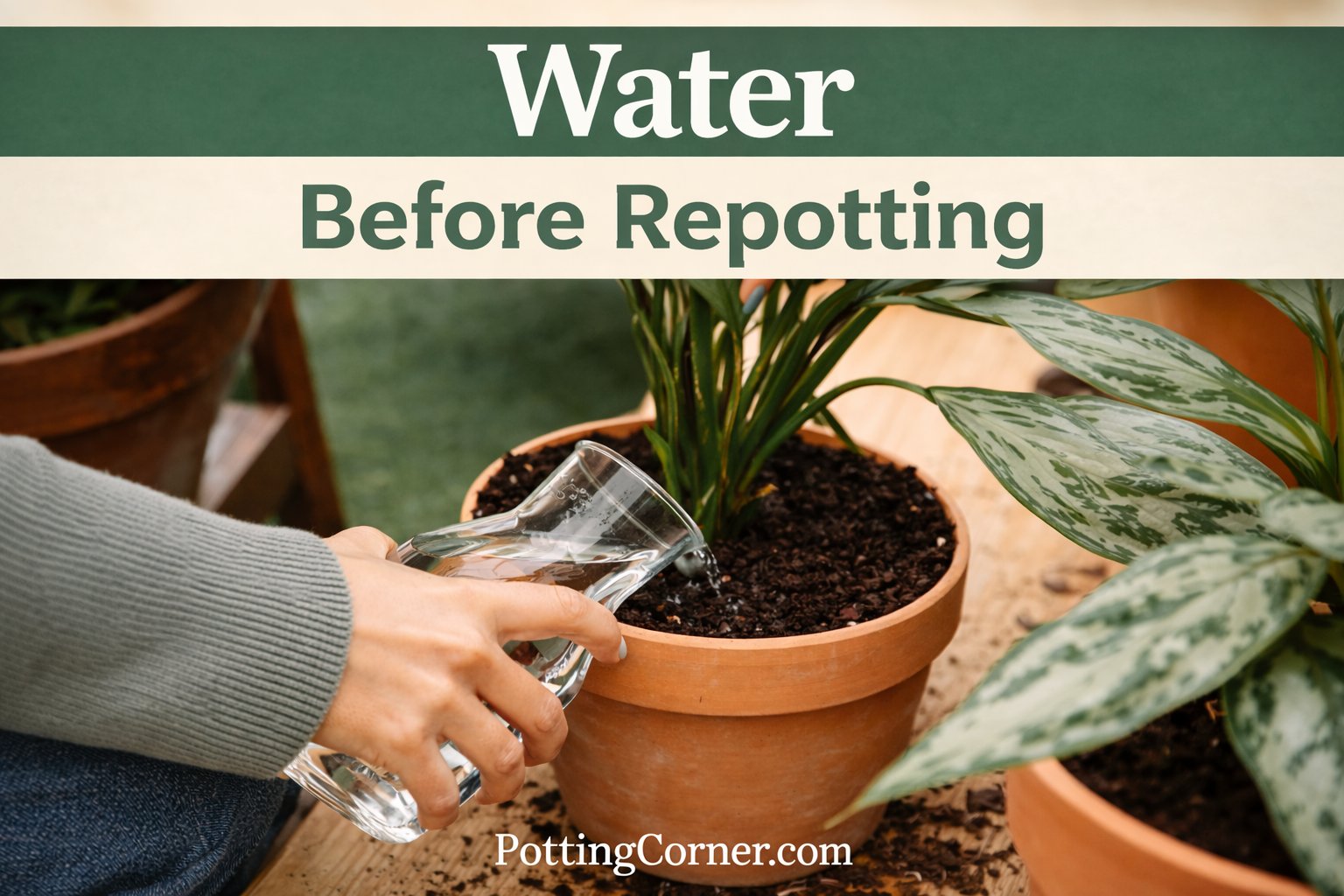
Dry soil crumbles and roots snap. Soggy soil makes a mess and hides problems. The timing of your last watering affects everything about the repotting process.
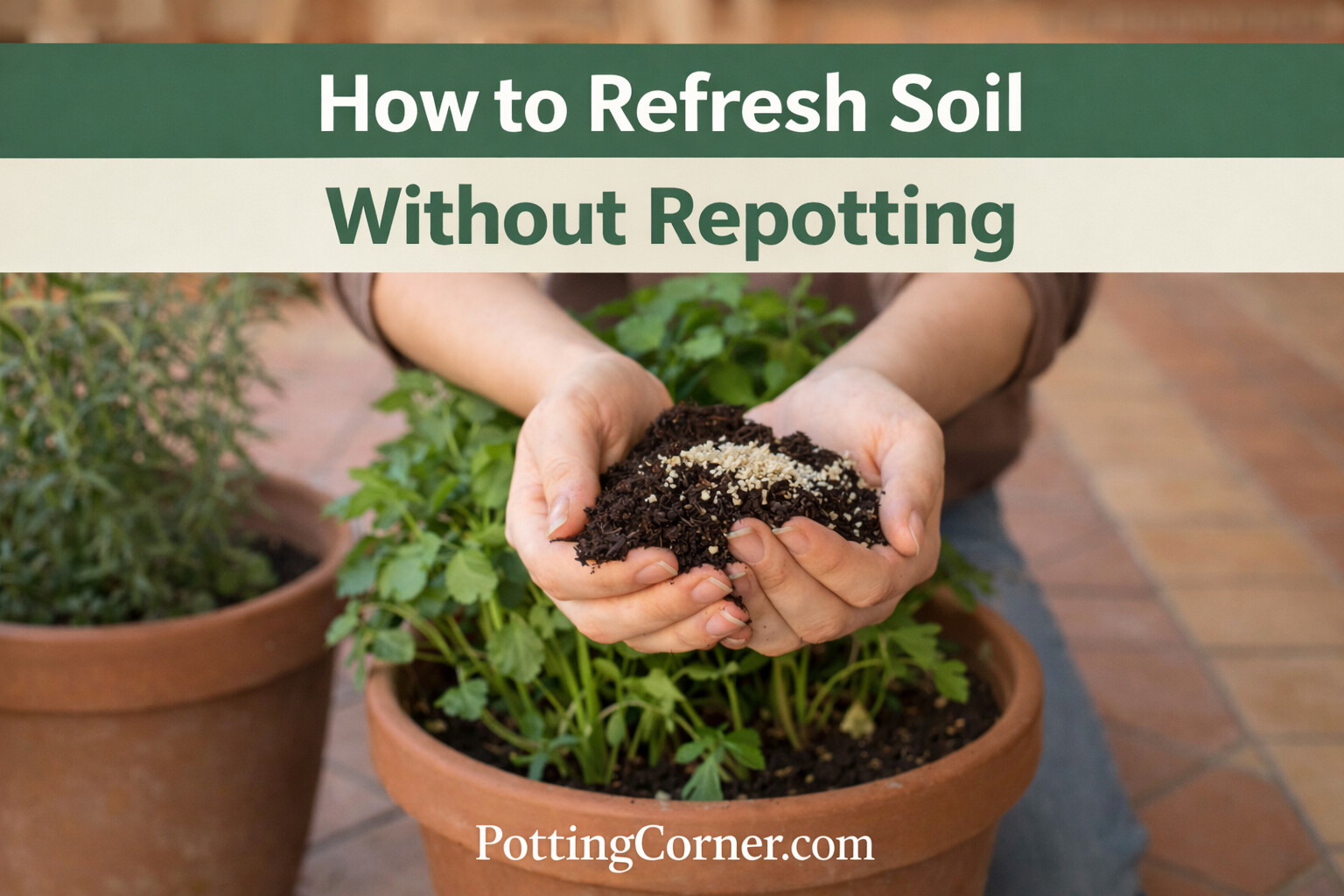
Sometimes your plant doesn't need a new pot just fresh soil. Top dressing and partial soil replacement revive tired potting mix without the stress of a full repot.
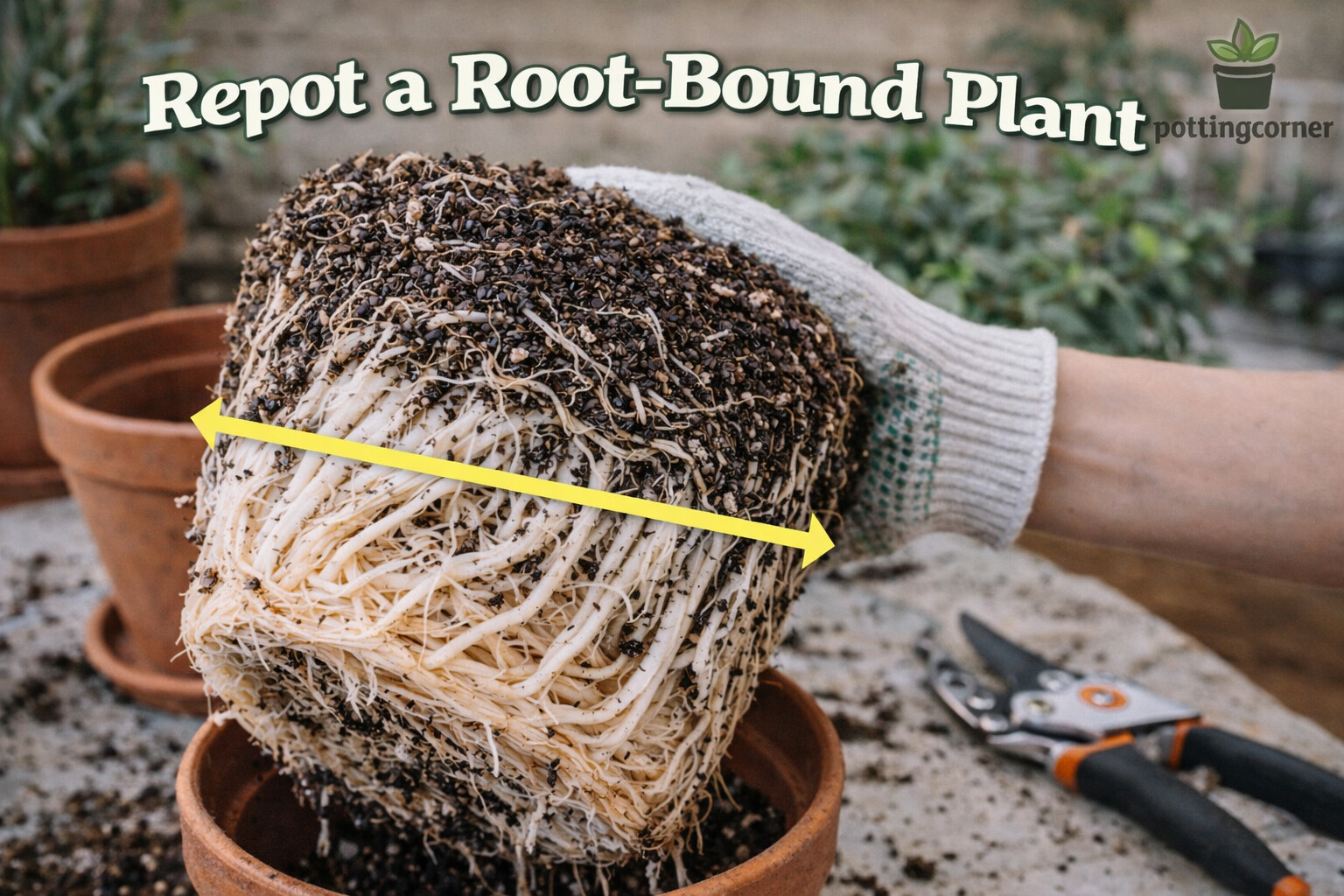
A tangled mass of circling roots needs careful handling, rush it and you'll damage your plant. Here's how to safely repot a root-bound plant and encourage healthy new growth.
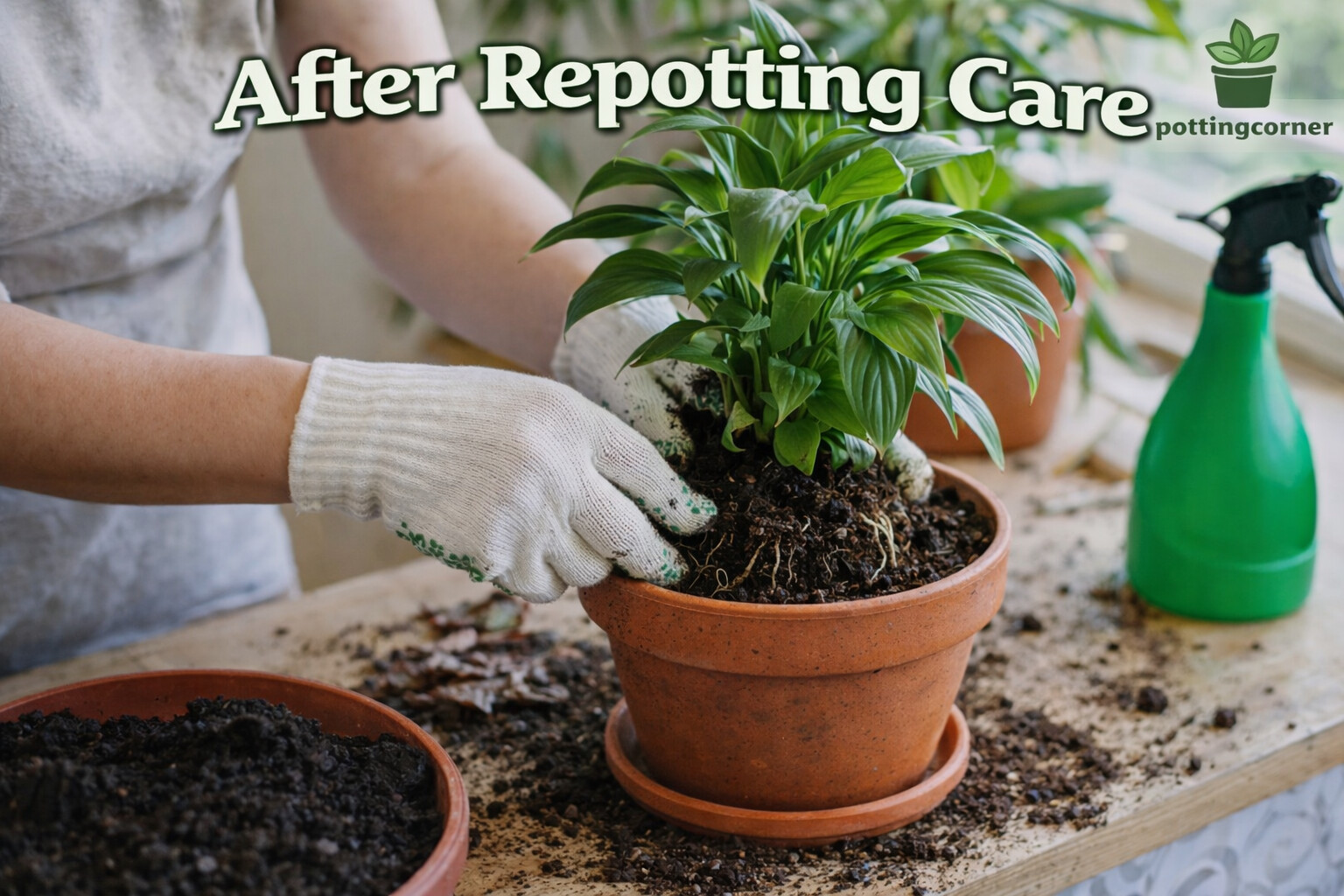
The first two weeks after repotting determine whether your plant thrives or struggles. Skip the fertilizer, adjust your watering and give it time to recover.