Choosing the Right Pot Size
Bigger isn't better when it comes to pots. Too large and roots rot; too small and growth stalls. The sweet spot is just 1-2 inches larger than the current root ball. Here's how to get it right.
Potting Corner Team · Jan 9, 2026 · 8 min read
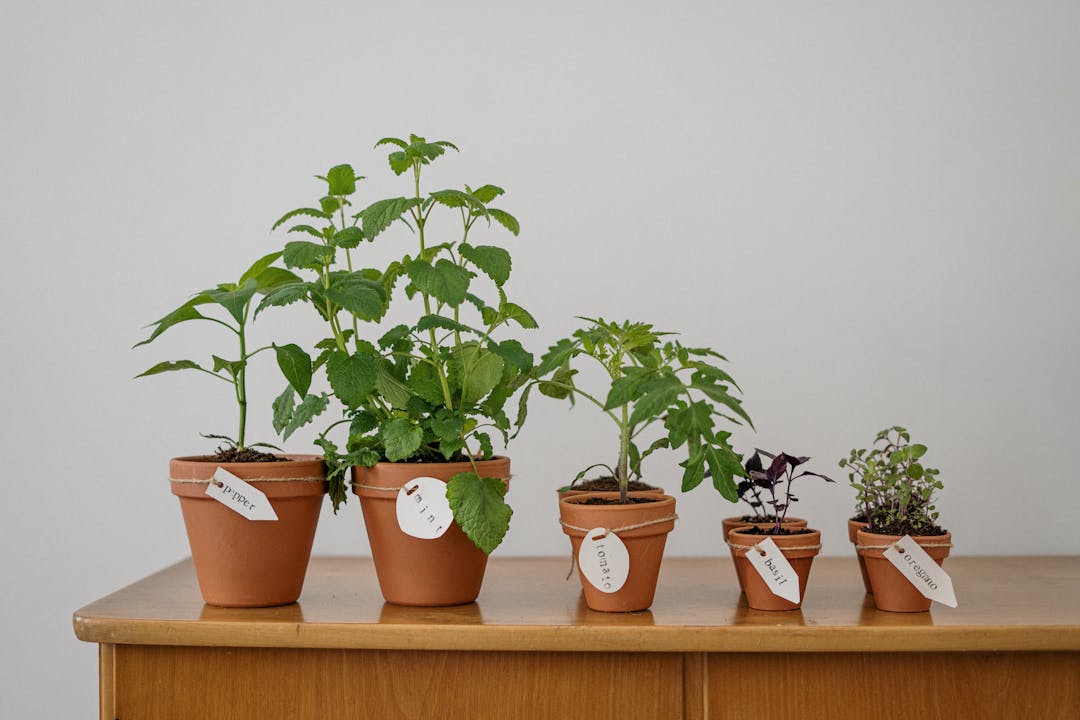
When repotting, many people reach for a much larger pot, seems logical, right? More room to grow. But pot sizing follows counterintuitive rules. Too much soil holds too much water and roots sitting in soggy soil rot. The right size is just slightly larger than the current root ball: usually 1-2 inches in diameter.
For comprehensive repotting guidance, see How to Repot Houseplants: The Complete Guide.
The Direct Answer: Size Guidelines
| Current Pot | Next Size Up | Max Jump |
|---|---|---|
| 2-4 inch | 4-6 inch | +2 inches |
| 4-6 inch | 6-8 inch | +2 inches |
| 6-10 inch | 8-12 inch | +2 inches |
| 10+ inch | +2-3 inches | +3 inches max |
The rule: Move up 1-2 inches in diameter. Never double the pot size or jump more than 3 inches.
Why Bigger Isn't Better
The Moisture Problem
Excess soil holds excess water:
- Roots only occupy their current space
- Surrounding soil stays wet
- Wet soil without roots = no water uptake
- Stays wet for too long
- Root rot becomes likely
This is why proper watering technique matters even more when pot size is wrong. If you suspect root rot, see our guide to ::Root Rot: Causes and Treatment::.
The Root Priority Issue
Plants respond to pot size:
- In a too-large pot, plant focuses on root growth
- Above-ground growth may stall
- Energy goes below not above
- You may wait longer for new leaves
Proper Root Development
Healthy root systems:
- Should fill the pot over time
- Roots reaching pot edges signals health
- Too much empty space delays this
- Right-size pots encourage balanced growth
How to Measure Pot Size
Diameter Matters Most
Standard measurement:
- Measure across the top opening
- This is the "pot size" (4-inch, 6-inch, etc.)
- Depth varies but diameter is the reference
- Shopping uses diameter
Assessing Root Ball
Look at what you're potting:
- Remove plant from current pot
- Look at root mass compared to pot
- Are roots circling or escaping? Time to size up
- Mostly soil, few roots? May not need bigger pot
Root-to-Soil Ratio
What you want:
- Roots should fill most of the pot
- Some fresh soil around edges when repotted
- About 1 inch of new soil around root ball
- Not more than 2 inches on any side
Signs You Need a Bigger Pot
Roots Are Escaping
Clear indicators:
- Roots growing out drainage holes
- Roots circling on soil surface
- Visible root mass when you tip the pot
- Root-bound appearance when unpotted
Quick Drying
Water disappears fast:
- Plant needs water every few days
- Water runs through immediately
- Soil dries much faster than before
- Little soil left to hold moisture
Stunted Growth
Growth has slowed:
- Healthy-looking but not growing
- Conditions are good otherwise
- Plant may be root-restricted
- Repotting can restart growth
If light and watering are correct, pot size is often the culprit. Check our indoor plant light guide to rule out light issues first.
Unstable Plant
Top-heavy problems:
- Plant tips over easily
- Pot is light relative to plant size
- Soil can't anchor the weight
- Needs a larger, heavier base
Signs the Pot Is Too Big
Already Potted Too Large
What you'll see:
- Soil stays wet for more than a week
- Yellow leaves despite careful watering
- Slow or no growth
- Possible root rot developing
These symptoms overlap with overwatering problems, see Houseplant Troubleshooting: Common Problems and Fixes for diagnosis help.
The Fix
Downsize:
- Repot into smaller, appropriate container
- Or wait and water very sparingly
- Smaller pot is often the better solution
- Match pot to actual root mass
Special Sizing Situations
Fast-Growing Plants
May need more frequent repotting:
- Pothos, philodendrons, fast growers
- May size up yearly
- Still only 1-2 inches at a time
- Multiple small moves beat one big jump
Slow-Growing Plants
Less frequent repotting:
- Snake plants, ZZ plants, succulents
- May stay in same pot for years
- Don't upsize until clearly necessary
- Watch for rootbound signs
Newly Purchased Plants
Often already rootbound:
- Nurseries maximize pot use
- Check roots when you get home
- May need immediate repotting
- Or can wait until established
Propagations and Cuttings
Start small:
- Rooted cuttings go in small pots
- 2-3 inch pots for most rooted cuttings
- Size up as they grow
- Don't skip to final size
New plant parents often start with propagations, our Indoor Plants for Beginners guide covers easy-to-propagate plants like pothos and spider plants.
Pot Depth Considerations
Standard Proportions
Typical pot shapes:
- Most pots are roughly as deep as wide
- Works for most plants
- Some specialty shapes exist
- Standard proportions are usually fine
Shallow-Rooted Plants
Some prefer width over depth:
- Succulents and cacti
- Some ferns
- Shallow bowl-type pots work
- Don't need deep containers
Deep-Rooted Plants
Some want more depth:
- Root vegetables (if growing herbs)
- Some palms
- Large floor plants
- Standard pots usually sufficient
Practical Pot Selection
Building a Pot Collection
What to have on hand:
- Several 4-inch pots
- Several 6-inch pots
- A few 8-inch pots
- Larger as needed for floor plants
Reusing Pots
From retired or repotted plants:
- Clean thoroughly before reuse
- Sterilize if previous plant was diseased
- Smart way to build collection
- Reduce, reuse
Matching Pot to Plant
Visual considerations:
- Tall, narrow plants need stable bases
- Trailing plants do well in taller pots
- Proportions matter aesthetically
- Function comes first but style matters
Common Pot Size Mistakes
"Give It Room to Grow"
The jump-too-much error:
- Going from 4-inch to 10-inch
- Seems kind but causes problems
- Soggy soil, possible rot
- Stunted above-ground growth
Not Repotting Ever
The opposite extreme:
- Severely rootbound plants suffer
- Nutrients depleted
- Can't absorb enough water
- Growth stops completely
Matching Decorative Pot to Plant
Aesthetics over function:
- That cute pot may be wrong size
- Use nursery pot inside decorative
- Function first, decoration second
- See cachepot solutions
Same Pot Forever with Refresh
Sometimes not enough:
- Refreshing soil helps but roots still grow
- Eventually still needs more space
- Can delay but not eliminate repotting
- Watch for rootbound signs
Frequently Asked Questions
Can I skip sizes if my plant is growing fast?
Not recommended. Even fast growers do better with incremental increases. Two small repottings beat one big jump. You'll have healthier root systems and less risk of overwatering problems.
My plant is in a 4-inch pot. Can I go straight to 10-inch?
No that's too big a jump. The excess soil will stay wet too long, risking root rot. Go to 6-inch, let roots fill it, then to 8-inch, then larger. Patience prevents problems.
How do I know what size pot a plant was in if I threw it away?
Measure the root ball. Find a pot that's about 1-2 inches larger in diameter than the root ball measures. That's your target size.
Why do nurseries sell plants in what seem like too-small pots?
Nurseries pot tightly for efficiency and because rootbound plants survive shipping and stores better. It's normal for newly purchased plants to need repotting just size up appropriately.
Is pot depth as important as diameter?
Diameter is the main consideration. Most standard pots have proportionate depths. Unless you're growing something with specific requirements (very shallow or deep roots), standard depth-to-diameter ratios work fine.