Pothos Care Guide for Beginners
Pothos is the ultimate beginner plant it tells you when it needs water, grows in almost any light and bounces back from neglect. Here's everything you need to know to keep one thriving.
Potting Corner Team · Jan 8, 2026 · Updated Jan 11, 2026 · 7 min read
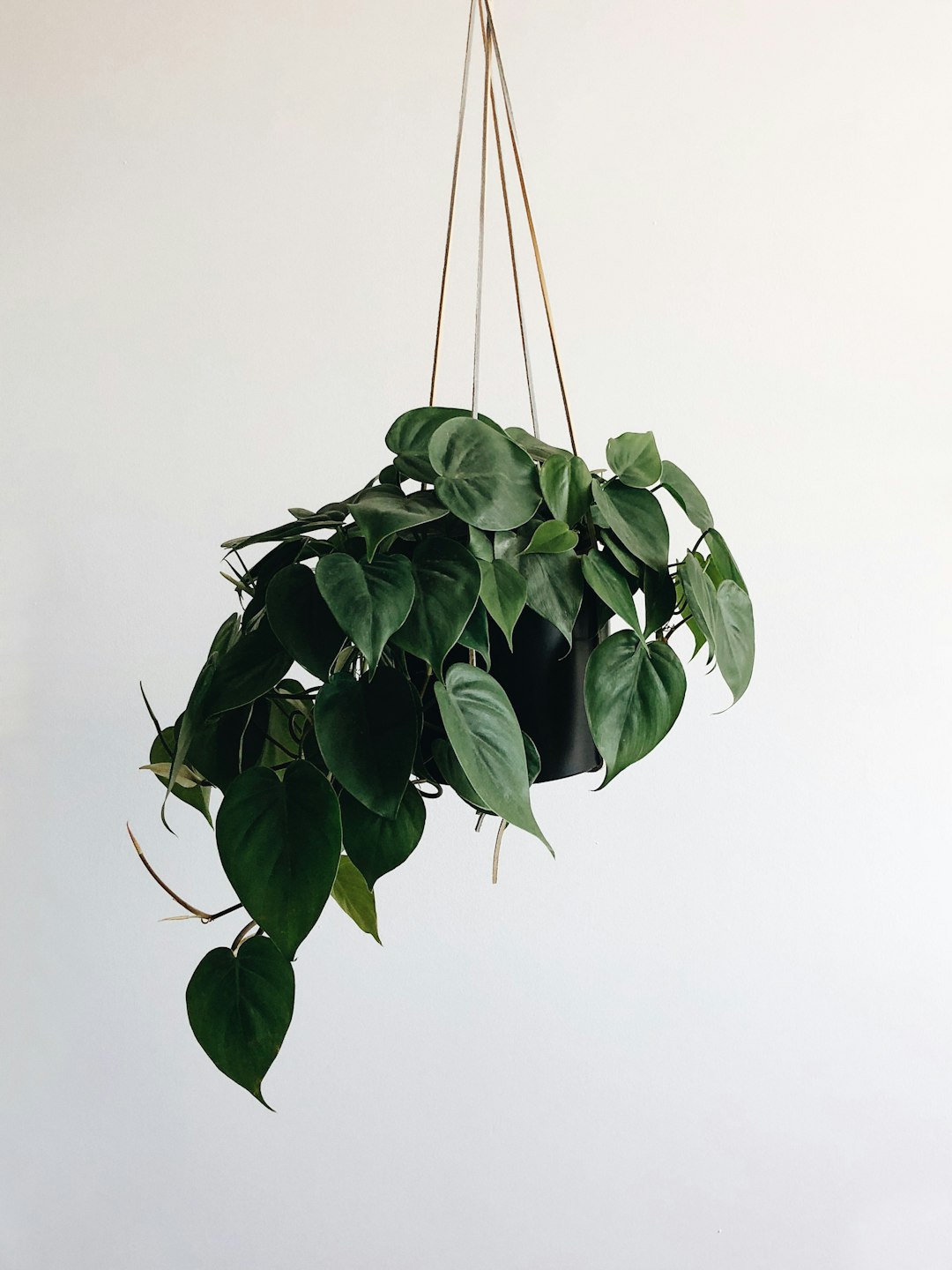
Pothos (Epipremnum aureum) is often the first plant recommended to beginners and for good reason. It's forgiving, fast-growing and communicates clearly when it needs something. The leaves droop when thirsty, then perk right back up after watering. It handles low light, tolerates inconsistent care and propagates easily. If you can't keep a pothos alive the problem isn't you it's overwatering.
For a complete beginner overview, see Indoor Plants for Beginners: Easy Plants and Care Basics.
The Direct Answer: Quick Care
| Factor | Requirement |
|---|---|
| Light | Low to bright indirect (no direct sun) |
| Water | When top 1-2 inches of soil are dry |
| Humidity | Tolerates normal indoor humidity |
| Temperature | 65-85°F (18-29°C) |
| Soil | Well-draining potting mix |
| Fertilizer | Monthly during growing season |
The rule: Water when the soil is dry and the leaves start to droop slightly. Bright indirect light encourages faster growth but low light is fine.
Light Requirements
What Pothos Prefers
Bright indirect light:
- Near but not in direct sunlight
- East or north-facing windows ideal
- 3-5 feet from south/west windows
- Fastest growth in good light
What Pothos Tolerates
Very adaptable:
- Low light (grows slower)
- Artificial lighting (offices)
- North-facing windows
- Interior rooms with some light
What to Avoid
Only a few things:
- Direct hot sunlight (burns leaves)
- Complete darkness (no plant survives this)
- Very dim conditions long-term (leggy growth)
Variegation and Light
Light affects coloring:
- More light = more variegation maintained
- Low light = greener leaves
- Variegated types need more light
- Neon pothos stays bright in good light
For optimal placement, our indoor plant light guide covers window directions and distance from light sources.
Watering
How to Know When to Water
Pothos tells you:
- Check soil, water when top 1-2 inches dry
- Leaves droop when thirsty
- Drooping leaves are your cue
- Don't wait until leaves are severely wilted
How to Water
Thorough approach:
- Water until it drains from the bottom
- Let drain completely
- Empty saucer after 30 minutes
- Don't leave sitting in water
Watering Frequency
Varies by conditions:
- Every 7-14 days typically
- More often in bright light, summer, small pots
- Less often in low light, winter, large pots
- Always check soil don't follow a schedule blindly
Signs of Overwatering
What to watch for:
- Yellow leaves (especially lower leaves)
- Mushy stems
- Root rot
- Plant not recovering from watering
- Soil stays wet for more than a week
Master the fundamentals with our complete watering guide for beginners.
Common Pothos Varieties
Golden Pothos
The classic:
- Green leaves with yellow variegation
- Most common variety
- Very hardy
- Good beginner choice
Marble Queen
White variegation:
- Green and white marbled leaves
- Needs more light than golden
- Slower growing
- Loses variegation in low light
Neon Pothos
Bright chartreuse:
- Solid bright yellow-green leaves
- Striking color
- Similar care to golden
- Color brightest in good light
Jade Pothos
Solid green:
- Dark green leaves, no variegation
- Handles low light best
- Fastest grower
- Simple beauty
N'Joy and Pearls and Jade
White/green patterns:
- Smaller leaves
- More compact growth
- Need more light for variegation
- Slower growing
Propagation
Why Pothos Is Easy to Propagate
Simple process:
- Roots easily in water
- Nodes produce roots quickly
- High success rate
- Fast rooting (weeks)
How to Propagate in Water
Step by step:
- Cut stem section with 1-2 nodes
- Remove leaves from bottom node
- Place in water, node submerged
- Change water weekly
- Roots appear in 2-4 weeks
- Transfer to soil when roots are 1-2 inches
How to Propagate in Soil
Alternative method:
- Take cutting with 1-2 nodes
- Remove lower leaves
- Dip in rooting hormone (optional)
- Plant in moist potting mix
- Keep moist until rooted
- New growth indicates success
Growth and Training
How Pothos Grows
Trailing or climbing:
- Naturally vines and trails
- Can climb with support
- Produces aerial roots
- Unlimited length potential
Training Options
Display choices:
- Trailing from shelf or hanging basket
- Climbing on moss pole or trellis
- Wrapped around fixtures
- Trained along walls
Pruning
Control and encourage bushiness:
- Cut anywhere along the stem
- New growth emerges below cut
- Use cuttings for propagation
- Regular pruning keeps plant full
Troubleshooting
Most pothos problems trace back to watering or light issues. For a complete diagnosis framework, see our houseplant troubleshooting guide.
Yellow Leaves
Most common issue:
- Lower leaves yellowing = often overwatering
- Check soil moisture
- Reduce watering frequency
- Ensure good drainage
Our guide on yellow leaves on houseplants helps you diagnose the exact cause.
Brown Leaf Tips
Environmental stress:
- Low humidity
- Inconsistent watering
- Chemical sensitivity (fluoride in water)
- Usually cosmetic not serious
Leggy Growth
Not enough light:
- Long stems with sparse leaves
- Move to brighter location
- Prune to encourage bushier growth
- Rotate for even development
Wilting
Usually thirst:
- Check soil, if dry, water
- Should recover in hours
- If soil is wet, check for root rot
- Overwatering causes wilting too
Common Mistakes
Overwatering
The most common error:
- Soil stays too wet
- Roots suffocate and rot
- Let soil dry between waterings
- When in doubt, wait
Too Little Light (Variegated Types)
Loses color:
- Variegation fades to green
- Move to brighter spot
- Green growth is healthy just less colorful
- Marble queen needs more light than golden
Not Pruning
Gets sparse and leggy:
- Long vines with few leaves
- Prune regularly
- Use cuttings to fill in pot
- Creates fuller plant
Ignoring Drainage
Root rot risk:
- Always use pots with drainage
- Don't let sit in water
- Empty saucers after watering
- Well-draining soil is important
Frequently Asked Questions
How fast does pothos grow?
In good light, several feet per year. In low light, much slower, maybe a foot or less. Warm temperatures and regular fertilizing encourage faster growth.
Is pothos toxic to pets?
Yes, pothos contains calcium oxalates that irritate mouth and digestive tract. Keep away from cats and dogs that chew plants. Usually not fatal but causes discomfort.
Can pothos live in water forever?
Yes, pothos can live in water indefinitely. Change water weekly and add liquid fertilizer monthly. Growth may be slower than soil-grown but it survives well.
Why are my pothos leaves small?
Usually insufficient light. Small leaves on new growth indicate the plant isn't getting enough light to produce normal-sized foliage. Move closer to window.
How do I make my pothos fuller?
Prune long vines and root the cuttings in the same pot. Pinching growing tips encourages branching. Multiple vines in one pot creates fullness.