Snake Plant Care Guide
Snake plants (Sansevieria) thrive on neglect. They tolerate low light, infrequent watering and general disregard. The only way to kill them is with too much love, overwatering.
Potting Corner Team · Jan 10, 2026 · Updated Jan 11, 2026 · 6 min read
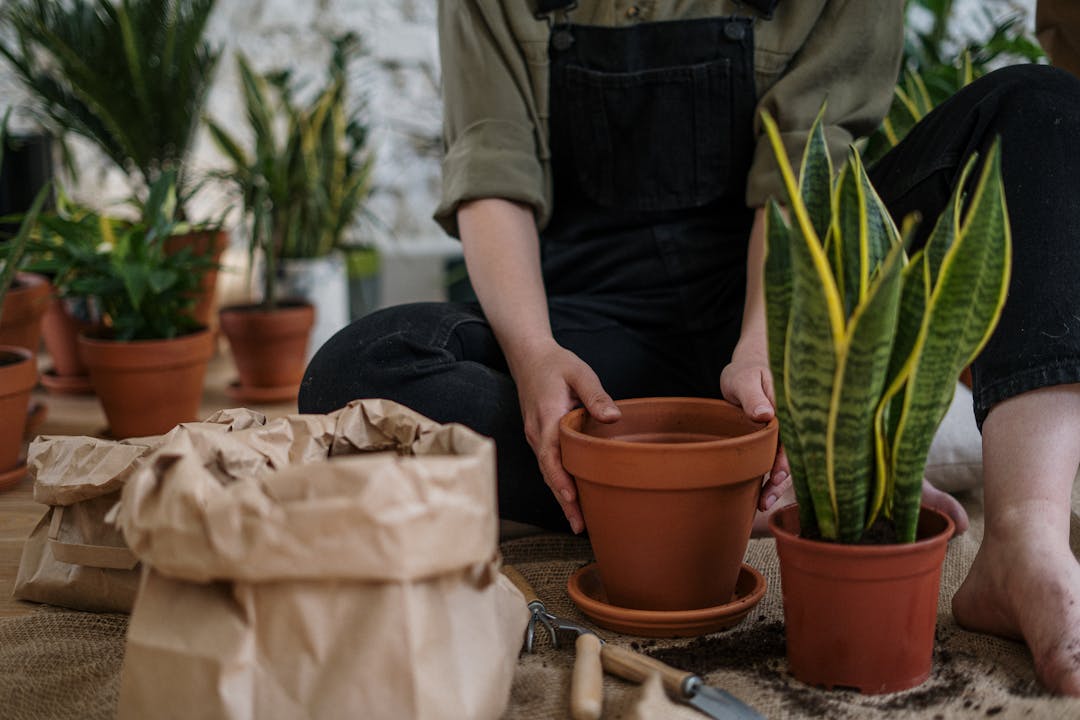
Snake Plant Care Guide
Snake plants (formerly Sansevieria, now classified under Dracaena) are legendarily tough. They survive in closets, windowless bathrooms and the desks of people who forget plants exist. Their upright, architectural leaves store water for weeks. If you're looking for a plant you can't kill, this is it. Just don't drown it with kindness.
For a complete beginner overview, see Indoor Plants for Beginners: Easy Plants and Care Basics.
The Direct Answer: Quick Care
| Factor | Requirement |
|---|---|
| Light | Low to bright indirect (any works) |
| Water | Every 2-4 weeks, let dry completely |
| Humidity | Not important |
| Temperature | 60-85°F (15-29°C) |
| Soil | Well-draining, can use cactus mix |
| Fertilizer | Rarely, monthly in summer if desired |
The rule: Water less than you think. Let soil dry completely between waterings. In winter, you might water only once a month.
Light Requirements
What Snake Plants Accept
Almost anything:
- Low light (survives well, slow growth)
- Medium light (grows well)
- Bright indirect (grows fastest)
- Even some direct sun (tolerates well)
In Low Light
What to expect:
- Slower growth
- May lose some variegation
- Survives indefinitely
- Won't produce new leaves quickly
In Bright Light
Benefits of more light:
- Faster growth
- More vibrant colors
- Better variegation
- May even produce flowers
See Indoor Plant Light Guide: Where to Place Houseplants.
Watering
The Golden Rule
Less is more:
- Wait until soil is completely dry
- Every 2-4 weeks in summer
- Every 4-6 weeks in winter
- When in doubt don't water
How to Water
When you do water:
- Water thoroughly until it drains
- Let drain completely
- Empty saucer
- Don't water again until bone dry
Signs of Overwatering
The only real danger:
- Yellow, mushy leaves
- Soft base
- Rotting smell
- Root rot
See Overwatered Plant: How to Save It.
Signs of Underwatering
Rare but possible:
- Wrinkling leaves
- Leaves curling
- Very dry, shriveled appearance
- Easily fixed with a good drink
Varieties
Sansevieria trifasciata
Classic varieties:
- Laurentii: Yellow-edged green leaves
- Zeylanica: Silver-green striping
- Black Coral: Dark green, almost black
Cylindrica
Cylindrical leaves:
- Round, spear-like leaves
- Very architectural
- Similar care
- Interesting shape
Moonshine
Pale silver:
- Pale silvery-green leaves
- Wide, short leaves
- Striking appearance
- Same easy care
Hahnii (Bird's Nest)
Compact rosettes:
- Low, rosette growth
- Perfect for desks
- Same tough nature
- Stays small
Propagation
Leaf Cuttings
Simple method:
- Cut a healthy leaf into 3-4 inch sections
- Let cut ends dry overnight
- Plant in moist, well-draining soil
- Wait (this takes months)
- New growth emerges from base
Division
Faster method:
- Remove plant from pot
- Separate rhizomes with leaves attached
- Plant divisions in separate pots
- Each section grows independently
Note on Variegation
Important detail:
- Leaf cuttings may lose variegation
- Division preserves variegation
- New plants from cuttings are often solid green
- If variegation matters, divide
Troubleshooting
Yellow Leaves
Usually overwatering:
- Check soil moisture
- Check for mushy base
- Reduce watering frequency
- May need to repot if root rot present
Brown Leaf Tips
Minor issues:
- Inconsistent watering
- Low humidity (rarely an issue)
- Fluoride sensitivity
- Usually cosmetic only
Leaves Falling Over
Possible causes:
- Overwatering
- Root rot
- Pot too large
- Not enough light over time
Pests
Rare but possible:
- Mealybugs hide in leaf bases
- Spider mites occasionally
- Check when watering
- Treat with alcohol or insecticidal soap
Soil and Repotting
Best Soil
Drainage is key:
- Cactus/succulent mix works well
- Add extra perlite to regular potting mix
- Drainage is essential
- Avoid moisture-retaining mixes
When to Repot
Infrequent need:
- Every 2-3 years typically
- When roots are circling pot
- When plant is splitting pot
- Spring is best
Pot Selection
Match to plant nature:
- Must have drainage holes
- Terracotta helps with drying
- Don't overpot (stay close to current size)
- Heavy pot for tall varieties (prevents tipping)
See How to Repot Houseplants: The Complete Guide.
Growing Tips
Placement Ideas
Versatile display:
- Floor plant (tall varieties)
- Desk or table (compact varieties)
- Bathroom (tolerates low light)
- Bedroom (often cited for air quality)
Grouping with Other Plants
Easy companion:
- Different heights add interest
- Mix varieties for texture
- Doesn't compete for attention
- Background or focal point
Cleaning Leaves
Simple maintenance:
- Dust attracts pests
- Wipe with damp cloth
- Support leaf while wiping
- Monthly is sufficient
Frequently Asked Questions
How often should I really water my snake plant?
Every 2-4 weeks in summer less in winter. Always let soil dry completely between waterings. The #1 killer of snake plants is overwatering.
Can snake plants survive in a windowless room?
They can survive for a while with artificial light but they won't thrive. They need some light, even if it's minimal. Near a window is better long-term.
Are snake plants toxic?
Mildly toxic to pets if ingested. Can cause nausea, vomiting and diarrhea. Keep away from pets that chew plants.
Why is my snake plant not growing?
Probably normal if it's in low light or during winter. These are slow growers. Increase light for faster growth. Also ensure it's not rootbound.
Can snake plants go outside in summer?
Yes they do well outdoors in shade to partial sun. Bring indoors before temperatures drop below 50°F. Acclimate gradually to outdoor conditions.