When Should You Repot a Houseplant?
Early spring is ideal for repotting but timing mistakes can stress your plant for months. Here's when to repot, when to wait and how to read your plant's signals.
Potting Corner Team · Jan 6, 2026 · Updated Jan 11, 2026 · 7 min read
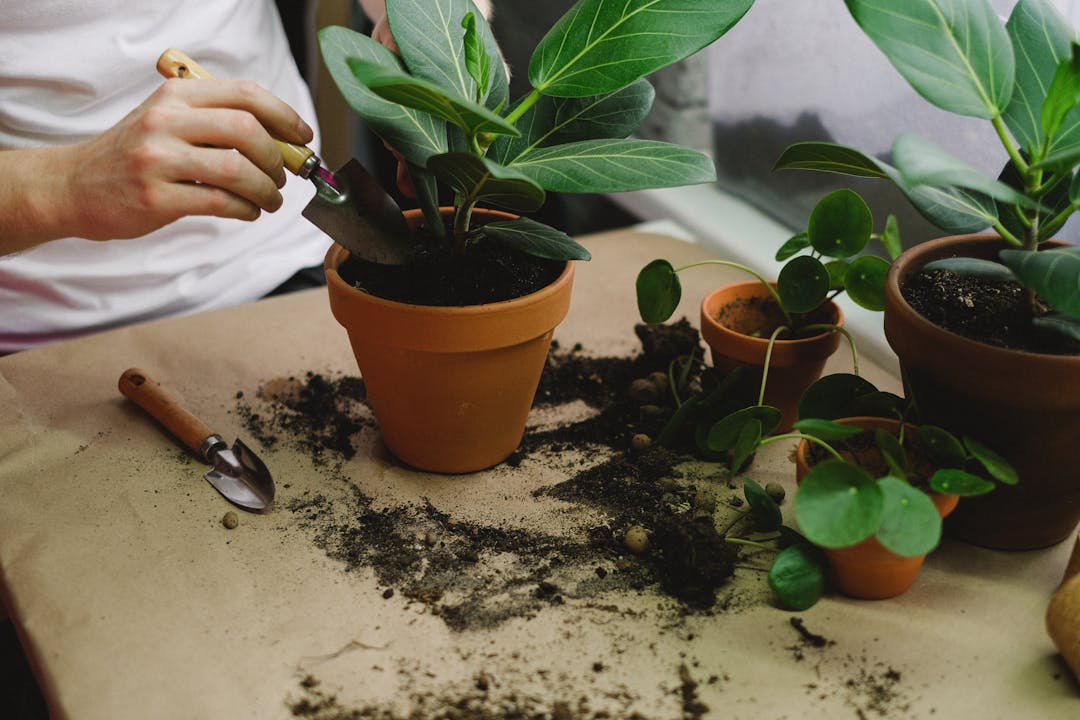
The best time to repot most houseplants is in early spring just before they enter their active growing season. This timing gives plants the entire growing season to establish roots in their new pot before winter dormancy slows everything down. If you repot at the wrong time, you risk stressing your plant when it's least equipped to recover.
This guide focuses specifically on repotting timing the ideal window, situations where you should wait and how to recognize when your plant truly needs a new home regardless of the calendar. For the full repotting process, see our step-by-step repotting guide.
The Direct Answer: Early Spring Is Best
Repot your houseplants between late February and early May, depending on your climate. During this window:
- Longer daylight hours trigger active growth
- Roots recover and establish quickly
- Plants have months to settle before winter
- New growth helps the plant adjust to its new pot
The specific timing depends on your plant's signals. When you see new leaves unfurling or fresh stems emerging, your plant is waking up from dormancy. This is your green light to repot.
Why Timing Matters: Risk Comparison
| Season | Recovery Speed | Rot Risk | Recommended? |
|---|---|---|---|
| Early Spring | Fast (active growth) | Low | ✅ Best choice |
| Late Spring/Early Summer | Fast | Low-Medium | ✅ Good |
| Mid-Summer | Medium (heat stress) | Medium | ⚠️ Caution |
| Fall | Slow | Medium | ⚠️ Fast growers only |
| Winter | Very slow | High | ❌ Avoid |
The core issue: Repotting disturbs roots. In spring, active growth means fast recovery. In winter, dormant roots sit in fresh soil that stays wet, creating rot conditions.
When You Should Wait to Repot
During Winter Dormancy
Most houseplants slow down significantly from November through February. During this time:
- Growth nearly stops
- Root activity decreases
- The plant conserves energy
- Stress recovery takes longer
Repotting a dormant plant forces it to deal with root disturbance when it's least capable of responding. The fresh soil stays wet longer because roots aren't actively drinking, which can lead to root rot.
Exception: If your plant is dying from severely compacted roots or root rot, repot immediately regardless of season. A stressed plant has better odds in fresh soil than in its current situation.
While Your Plant Is Flowering
Flowering takes enormous energy. If you repot during bloom:
- Flowers may drop prematurely
- The plant redirects energy from blooms to root recovery
- Bloom duration shortens
Wait until flowering finishes, then repot during the next appropriate window.
Right After Bringing a Plant Home
New plants need 2-4 weeks to acclimate to your home's conditions. During this period:
- Light levels differ from the nursery
- Humidity may be lower
- Temperature fluctuates differently
Adding repotting stress on top of acclimation stress can overwhelm a plant. Let it settle first, then repot if needed.
When Your Plant Is Already Stressed
Signs of existing stress include:
- Yellowing leaves from overwatering
- Wilting from underwatering
- Pest infestation
- Recent cold or heat damage
Address the primary problem first. Once the plant stabilizes, you can consider repotting.
Emergency Repotting: When to Break the Rules
Sometimes you must repot regardless of timing:
Root Rot
If roots are mushy, black and smell bad, repot immediately. Root rot spreads quickly and fresh soil is essential for recovery. Remove all affected roots before repotting.
Severe Root Binding
If the root ball is so compressed that water runs straight through without absorbing the plant needs more space now. Signs include:
- Roots circling tightly around themselves
- Roots cracking the pot
- Plant wilting despite moist soil
Contaminated Soil
If you discover pests in the soil (like fungus gnats or soil mealybugs) or notice mold that keeps returning, fresh soil helps break the cycle.
Salt Buildup
White crusty deposits on soil or pot edges indicate mineral buildup. If severe, this can damage roots. Replacing the soil solves the problem.
Month-by-Month Repotting Guide
January-February: Wait
Plants are in deep dormancy. Only repot for emergencies.
March-April: Prime Time
Most plants show new growth. Ideal repotting window for the majority of houseplants.
May-June: Still Good
Active growth continues. Repot if you missed the spring window.
July-August: Proceed with Caution
Summer heat can stress plants. If you must repot, keep plants out of direct sun for a week afterward and monitor watering carefully.
September-October: Last Chance
Some plants can still establish before dormancy. Focus on fast-growing species only.
November-December: Avoid
Growth slows or stops. Repotting now means the plant enters dormancy already stressed.
How to Know Your Plant Is Ready
Beyond calendar timing, watch for these signs that your plant is ready for repotting:
Growth signals:
- New leaves emerging
- Fresh stems or branches forming
- Increased water consumption
- Roots visible at drainage holes
Stress signals that indicate urgency:
- Water runs through instantly
- Soil dries within 1-2 days
- Plant is top-heavy and tips over
- Roots push up through soil surface
If growth signals align with spring timing, you're in the ideal window. If stress signals appear at any time, prioritize the plant's health over the calendar.
Does Timing Differ by Plant Type?
Yes. While spring works for most, some plants have different rhythms:
Succulents and cacti: Repot in late spring to early summer when they're actively growing. They're dormant in winter AND during the hottest summer weeks.
Orchids: Repot after flowering finishes, which varies by species. Many bloom in winter, so spring repotting often works well.
Holiday cacti (Christmas, Thanksgiving, Easter): Repot in spring, after blooming ends. Never repot while buds are forming.
Summer-dormant plants: Some Mediterranean species rest in summer heat. Research your specific plant's growth cycle.
Tropical foliage plants: Standard spring timing works. Watch for new leaf emergence as your signal.
When unsure, observe your plant for 2-3 months. Note when it produces new growth that's its active season and your repotting window.
Common Mistakes About Repotting Timing
Repotting on a Schedule Instead of by Need
Some guides suggest repotting annually. This causes unnecessary stress to plants that don't need it. Repot only when you see signs the plant has outgrown its pot or the soil has broken down.
Repotting Immediately After Purchase
The impulse to give a new plant fresh soil is understandable but most nursery plants are fine in their current pots for months. Wait for acclimation, then assess whether repotting is actually needed.
Assuming All Plants Follow the Same Calendar
Succulents, cacti and some tropical plants have different growth cycles. Research your specific plant's active growth period rather than applying generic spring timing to everything.
Waiting Too Long When Signs Are Clear
Fear of repotting leads some people to delay until the plant is severely stressed. If your plant shows clear signs of needing more space don't wait for "perfect" timing, act within reason.
Frequently Asked Questions
Can I repot in summer?
Yes but be careful. High heat adds stress, so keep the plant in indirect light for a week after repotting and monitor soil moisture closely. Early morning is the best time of day for summer repotting.
My plant is root-bound in winter. Should I wait?
If the plant is surviving, yes, wait for spring. If the plant is declining, repot immediately. A struggling plant in fresh soil has better odds than a dying plant in exhausted soil.
How do I know the difference between "needs repotting" and "needs water"?
A plant needing water recovers within hours of watering. A plant needing repotting continues to struggle despite proper watering because the roots have no room to absorb water effectively.
What if I miss the spring window?
You can still repot in early summer. Just avoid the hottest weeks and provide extra care afterward. The next best window is early fall for fast-growing plants.