How to Know When a Plant Needs Water
Forget weekly schedules, your plant doesn't own a calendar. The finger test, lift test and visual cues tell you exactly when to water.
Potting Corner Team · Jan 6, 2026 · Updated Jan 11, 2026 · 8 min read
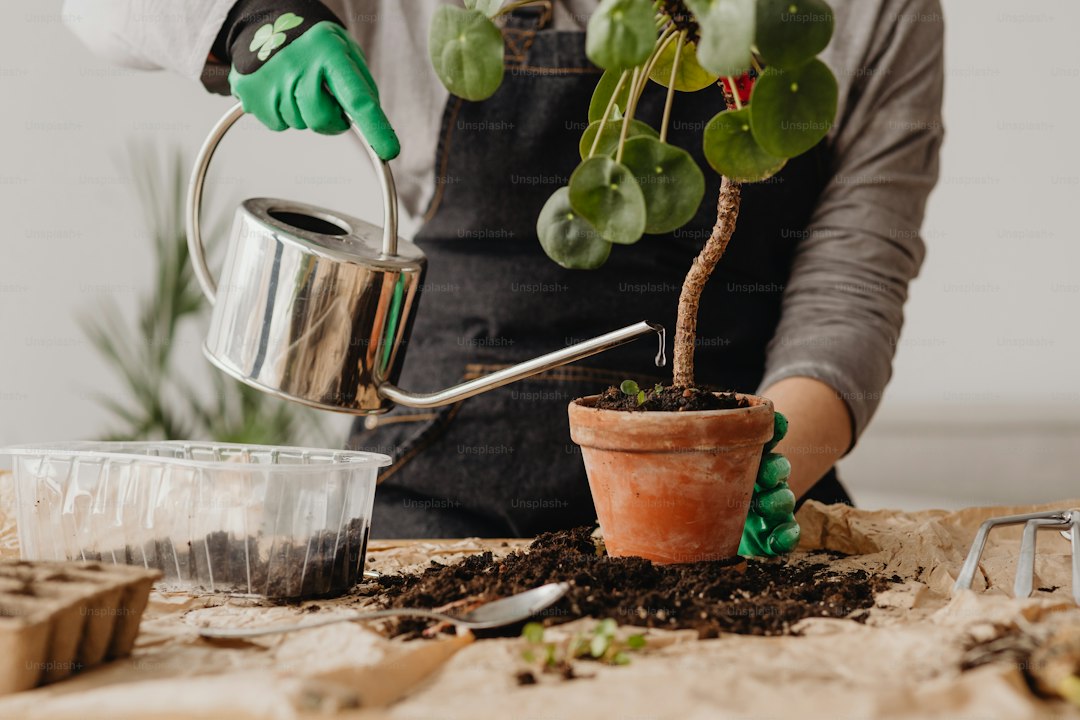
Your plant will tell you when it needs water, you just need to learn how to listen. Schedules like "water every Sunday" ignore everything that affects moisture levels: light, temperature, pot size soil type, season. A plant that needed water in five days during summer might go two weeks in winter. This guide teaches you reliable methods to assess when your plant actually needs water.
For a complete guide to watering techniques, see How to Water Houseplants.
The Direct Answer: Check, Don't Guess
The only reliable way to know when to water is to check the soil moisture. The most common methods:
| Method | How to Do It | Best For |
|---|---|---|
| Finger test | Insert finger 1-2 inches deep | Most houseplants |
| Lift test | Compare pot weight to when watered | Regular monitoring |
| Visual cues | Watch for drooping, color change | Early warning backup |
| Moisture meter | Insert probe into soil | Large pots, skeptics |
The rule: Check before watering. Never water on a schedule alone.
The Finger Test (Most Reliable)
This is the go-to method for most houseplant owners. It's simple, free and accurate.
How to Do It
- Insert your finger into the soil up to the first or second knuckle (1-2 inches)
- Feel the moisture level at that depth
- If dry, water. If moist, wait.
Interpreting Results
Dry to the first knuckle (1 inch): Water most tropical houseplants. Pothos, philodendrons, peace lilies and similar plants prefer this.
Dry to the second knuckle (2 inches): Water plants that like to dry out more. Dracaenas, snake plants and many foliage plants fall here.
Dry throughout: Water succulents and cacti only when completely dry. Some plants like soil to fully dry before rewatering.
Limitations
The finger test works for pots you can reach into. For large floor pots or hanging baskets where you can't reach the root zone, you'll need other methods.
The Lift Test
Wet soil weighs significantly more than dry soil. Once you learn what "watered" and "dry" feel like, this becomes the fastest check.
How to Do It
- After watering, lift the pot and notice the weight
- Before the next watering, lift again
- Compare, a dry pot feels dramatically lighter
- With practice, you can assess moisture by weight alone
Why This Works
Water is heavy. A gallon weighs about 8 pounds. Even small pots can gain and lose a pound or more between waterings. Your hands notice this difference easily.
Combining Methods
Use the lift test for a quick daily check. If the pot feels light, confirm with the finger test. This catches issues without daily finger-poking.
Visual Cues
Plants often show you they need water before they're in trouble. Learn to read these signs.
Mild Drooping
Many plants droop slightly when thirsty, leaves angle down the whole plant looks a bit deflated. This is different from severe wilting; it's a gentle hint that water would be welcome.
Plants known for this:
- Peace lilies (Spathiphyllum)
- Pothos
- Fittonias
If you water at the mild drooping stage the plant perks up within hours with no damage.
Soil Color Change
Dry soil is usually lighter than wet soil. As moisture evaporates the surface changes from dark brown to a lighter tan or grey. This is a surface indicator only, deeper soil may still be moist.
Pot Separation
When potting mix dries significantly it shrinks and pulls away from the pot edges. You'll see a gap between soil and pot wall. This indicates pretty dry soil throughout.
Leaf Curling
Some plants curl their leaves inward to reduce water loss when thirsty. This is common in calatheas, marantas and some philodendrons. Curling plus dry soil means water now.
When NOT to Trust Visual Signs
Visual signs can mislead in certain situations:
Wilting with Wet Soil
A plant can wilt with wet soil if roots are damaged (root rot). In this case the problem is overwatering not underwatering. Always check soil before adding water don't assume wilting means thirst.
Yellowing Leaves
Yellowing can indicate both overwatering and underwatering. Check the soil to determine which problem you're facing. Our guide to yellow leaves helps you diagnose the cause.
Drooping After Repotting
Plants often droop after repotting due to root disturbance not thirst. Don't overwater to "help"—this causes more problems. Our guide on wilting houseplants explains the difference.
Moisture Meters
Moisture meters insert into soil and give a reading from dry to wet. They can help but they're not perfect.
When They're Useful
- Large pots where fingers can't reach deep
- Skeptical beginners who don't trust their judgment yet
- Plants with specific needs you're learning
When They're Misleading
- Cheap meters are often inaccurate
- They measure one spot not the whole pot
- Readings can vary based on soil type
- The probe may hit a pocket of different moisture
Different Plants, Different Thresholds
Not all plants want the same moisture level before watering.
Water When Top 1 Inch Is Dry
- Pothos
- Philodendrons
- Peace lilies
- Ferns (most)
- Calatheas
- Marantas
Water When Top 2 Inches Are Dry
- Dracaenas
- Rubber plants
- Monsteras
- Most common foliage plants
Water When Completely Dry
- Succulents
- Cacti
- Snake plants
- ZZ plants
- Ponytail palms
Special Cases
- Orchids in bark: Water when bark feels dry roots look silvery-grey
- Air plants: Soak weekly, more in dry conditions
- Semi-hydroponic (LECA): Different rules, water when reservoir is empty
Factors That Change Timing
Your watering interval will shift constantly based on these factors:
Season
Winter dormancy means less water use. A plant needing water every 5 days in summer might go 10-14 days in winter. Adjust by checking not by changing an arbitrary schedule.
Light Level
Brighter light = more photosynthesis = more water use. A plant moved to a darker spot will need less frequent watering.
Temperature
Warmer temperatures = faster evaporation = more frequent watering. Air conditioning or heating changes can affect timing.
Pot Size
Small pots dry faster than large pots. A 4-inch pot might need water every 3-4 days while a 12-inch pot goes a week or more.
Pot Material
Terracotta breathes and dries faster. Plastic and glazed ceramics retain moisture longer.
Humidity
Low humidity = faster evaporation from soil and leaves. High humidity = slower drying.
Common Mistakes
Following a Rigid Schedule
"Water every Sunday" ignores all variables. Your plant's needs change constantly. A schedule might work one month and kill the plant the next.
Waiting for Severe Wilting
Mild drooping is a signal. Severe wilting is a crisis. By the time leaves are crispy and drooping badly, damage has occurred. Check before it gets there.
Ignoring Seasonal Changes
The same plant needs different watering in different seasons. Many winter plant deaths come from maintaining summer watering frequency.
Surface-Only Checking
Touching just the surface tells you about the surface. Deeper soil may be wet or dry. Insert your finger deeper for accurate assessment.
Trusting the Pot Weight Too Early
The lift test requires calibration. If you don't know what "wet" and "dry" feel like for that specific pot, you can't compare accurately. Learn the extremes first.
Troubleshooting
Soil Dries Unevenly
If the top is dry but bottom is soaked, you may have:
- Dense, compacted soil
- Poor drainage
- A pot that's too large for the plant
Soil Dries Too Fast
If you're watering every 2-3 days constantly:
- The pot may be too small (repot)
- The plant may be root-bound
- The location may be too hot or bright
- The soil may be old and hydrophobic
Soil Never Seems to Dry
If soil stays wet for more than 7-10 days:
- Light may be too low
- The pot may be too large
- Roots may be damaged (check for rot)
- Drainage may be blocked
Frequently Asked Questions
How long should I wait between waterings?
There's no fixed answer. It depends on your plant, pot, light and season. Check the soil that's the only reliable indicator.
My plant is in a pot without drainage. How do I know when to water?
Carefully. Without drainage, overwatering is extremely easy. Water less at a time and check more frequently. Better yet, repot into a container with drainage.
Should I wait until my plant droops to water it?
Mild drooping is an acceptable signal for some plants. Severe wilting causes damage. It's better to catch the early signs or simply check the soil regularly.
Why does my plant dry out faster in winter?
Heating systems dry indoor air significantly, speeding evaporation. However, lower light and dormancy may offset this. Check soil don't assume.