Yellow Leaves on Houseplants: What's Wrong
Yellow leaves are your plant's distress signal but the cause could be overwatering, underwatering, age, pests, or a dozen other issues. Here's how to read the pattern and fix the problem.
Potting Corner Team · Jan 9, 2026 · 8 min read
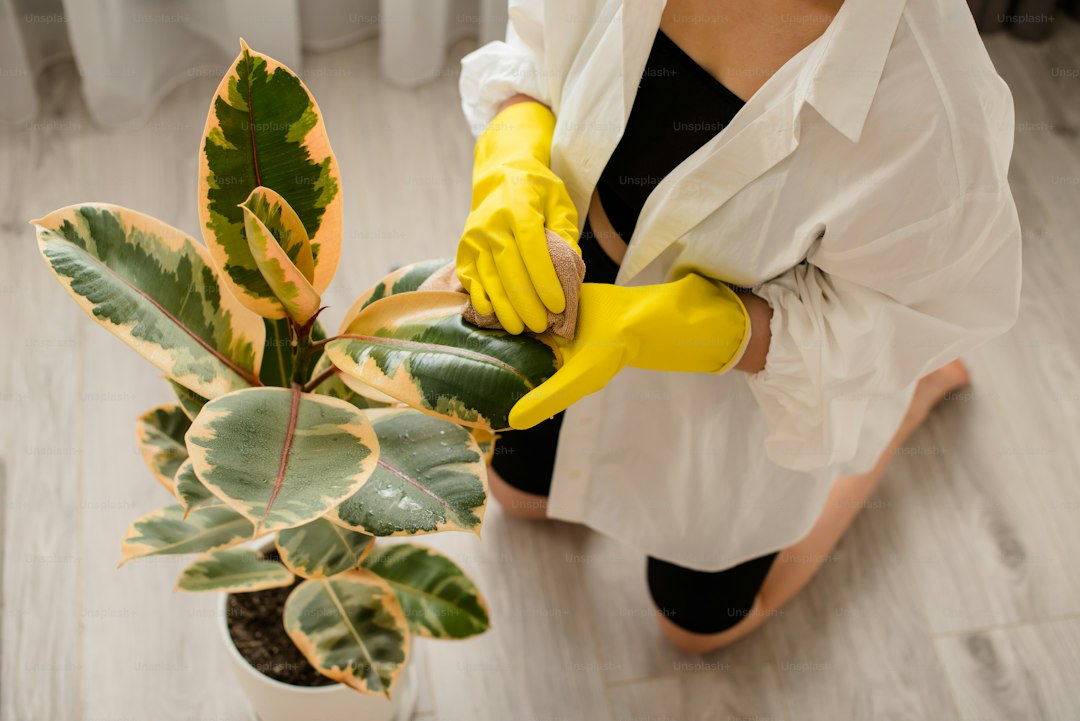
Yellow leaves are the most common houseplant complaint and the most confusing. Yellowing can mean overwatering, underwatering, natural aging, nutrient deficiency, pest damage, or environmental stress. The key is reading the pattern: which leaves are affected, how they're yellowing and what other symptoms appear. Once you diagnose correctly the fix is usually straightforward.
For a complete troubleshooting overview, see Houseplant Troubleshooting: Common Problems and Fixes.
The Direct Answer: Yellowing Patterns
| Pattern | Likely Cause | Action |
|---|---|---|
| Lower/older leaves yellow, drop | Natural aging or overwatering | Check soil moisture |
| All-over pale yellow + drooping | Overwatering/root rot | Let dry, check roots |
| Yellow with dry, crispy edges | Underwatering | Water thoroughly |
| Yellow between green veins | Nutrient deficiency | Check pH, fertilize |
| Random spotty yellowing | Pests or disease | Inspect closely |
| Yellowing after moving plant | Acclimation stress | Wait it out |
The rule: The location and pattern of yellowing tells you more than the yellowing itself. Observe carefully before acting.
Overwatering: The Most Common Cause
How It Looks
Overwatering yellowing has distinct signs:
- Leaves turn pale or yellow-green first
- Affected leaves often feel soft not crispy
- Usually starts with lower leaves
- May spread upward over time
- Often accompanied by drooping
Why It Happens
Too much water damages roots:
- Waterlogged soil suffocates roots
- Roots begin to rot
- Damaged roots can't absorb nutrients
- Plant essentially starves despite wet soil
- Chlorophyll breaks down, leaves yellow
How to Confirm
Check the evidence:
- Is the soil wet or soggy?
- Has it been wet for more than a week?
- Does the pot feel heavy?
- Any mushy stems at soil level?
- Foul smell from soil?
The Fix
Act based on severity:
Mild cases:
- Stop watering immediately
- Let soil dry out completely
- Improve drainage if needed
- Water only when top 1-2 inches dry
Severe cases (root rot):
- Remove plant from pot
- Examine roots, trim any mushy brown ones
- Repot in fresh, well-draining soil
- Use a pot with drainage holes
- Water sparingly until recovery
Learn how to save an overwatered plant. We also cover root rot causes and treatment.
Underwatering Yellowing
How It Looks
Different from overwatering:
- Yellowing accompanies dry, crispy edges
- Leaves may feel papery or brittle
- Often affects lower leaves first
- Soil is dry throughout the pot
- Plant may be droopy too
Why It Happens
Dehydration stresses the plant:
- Not enough water for normal function
- Plant sacrifices older leaves
- Chlorophyll breakdown releases mobile nutrients
- Leaves yellow then drop to conserve resources
The Fix
Simple to address:
- Water thoroughly until it drains from bottom
- Let pot sit in water for 10-15 minutes for dry soil
- Establish more consistent watering routine
- Consider if pot is too small (dries quickly)
- Damaged leaves won't recover, focus on new growth
See our guide to underwatered plant signs and recovery.
Natural Leaf Aging
How It Looks
Normal and nothing to worry about:
- Only oldest leaves (usually lowest) yellow
- Happens one or two leaves at a time
- Rest of plant is healthy
- New growth continues
- Occasional not progressive
Why It Happens
All leaves have a lifespan:
- Plant reallocates resources from old leaves
- Chlorophyll breaks down
- Nutrients move to new growth
- Old leaves drop off
- Completely normal process
The Response
Just tidy up:
- Remove yellowed leaves when they detach easily
- Don't panic over occasional old leaf loss
- Monitor to ensure it's not progressive
- If many leaves yellow at once, look for other causes
Nutrient Deficiency
How It Looks
Specific patterns suggest nutrients:
- Nitrogen deficiency: Overall pale green/yellow, oldest leaves first
- Iron deficiency: Young leaves yellow between veins, veins stay green
- Magnesium deficiency: Older leaves yellow between veins
- General depletion: Gradual overall paleness
Why It Happens
Plants use up soil nutrients:
- Potting mix nutrients deplete over time
- Water flushes some nutrients out
- Rootbound plants exhaust available nutrients
- Soil pH can lock out nutrients
The Fix
Address both nutrition and conditions:
- Resume regular fertilizing (if you've stopped)
- Use balanced houseplant fertilizer
- Check if plant needs repotting with fresh soil
- Consider soil pH if issues persist
- Don't over-fertilize, won't fix problem faster
Pest Damage
How It Looks
Irregular and localized:
- Stippled yellow spots (spider mites)
- Yellowing around clusters of insects
- Sticky residue accompanying yellowing
- Patterns don't follow typical aging
Common Culprits
Several pests cause yellowing:
- Spider mites: Fine stippling, webbing
- Aphids: Clusters on new growth
- Scale: Brown bumps on stems
- Mealybugs: White cottony masses
The Fix
Treat the pests:
- Identify the specific pest
- Isolate the affected plant
- Apply appropriate treatment (soap, neem, alcohol)
- Repeat treatments as needed
- Monitor all nearby plants
We also cover how to treat mealybugs and scale insects.
Environmental Stress
Temperature Extremes
Causes yellowing:
- Cold drafts from windows or doors
- Near heating or AC vents
- Sudden temperature changes
- Below or above tolerance range
Fix: Move away from temperature stressors.
Light Issues
Too much or too little:
- Low light causes pale, weak growth
- Too much direct sun causes bleaching, then yellowing
- Sudden light changes stress plants
Fix: Provide appropriate light levels. Acclimate gradually when changing.
See Indoor Plant Light Guide: Where to Place Houseplants.
Acclimation After Moving
New plants often yellow temporarily:
- Changed from store/nursery conditions
- May drop some leaves while adjusting
- Usually stabilizes within weeks
- Minimize additional stress during this time
Diagnosing Your Yellow Leaves
Step-by-Step Process
Work through this checklist:
- Which leaves are yellow? Oldest = often water/age. New = nutrients/pest.
- What does the soil feel like? Wet = overwatering. Dry = underwatering.
- Look at the whole pattern. All-over vs. localized tells you different things.
- Check for pests. Look under leaves and on stems.
- Consider recent changes. Moved plant? Changed watering? Repotted?
- What season is it? Winter stress and dormancy are factors.
When to Worry
Take more action if:
- Yellowing spreads rapidly to many leaves
- Accompanied by mushy stems
- Bad smell from soil
- Plant is dramatically drooping
- You see visible pests
When Not to Worry
Relax if:
- One or two old leaves yellow occasionally
- Plant is otherwise healthy
- New growth looks good
- No pests visible
- Soil moisture seems appropriate
Preventing Yellow Leaves
Watering Correctly
The foundation of plant health:
- Check soil before watering, every time
- Don't water on a calendar schedule
- Ensure proper drainage
- Use pots with drainage holes
- Don't let plants sit in water
See How to Water Houseplants: The Beginner's Guide.
Maintaining Good Conditions
Environmental stability:
- Consistent temperature (avoid extremes)
- Appropriate light for the species
- Humidity for tropical plants
- Good air circulation
Regular Inspection
Catch problems early:
- Look at your plants when watering
- Check for pests monthly
- Note any changes promptly
- Early intervention is easier
Frequently Asked Questions
Will yellow leaves turn green again?
No. Once a leaf has yellowed the chlorophyll is gone and won't return. Remove yellowed leaves and focus on preventing future yellowing. New growth should be healthy.
Should I remove yellow leaves?
Yes, once they're mostly yellow. They won't recover and may attract pests. Wait until they detach easily or cut cleanly with sterile scissors.
My plant has yellow leaves AND brown tips. What's wrong?
This combination often indicates inconsistent watering the plant is stressed from alternating between too wet and too dry. Establish a consistent watering routine.
I just repotted and now leaves are yellowing. Did I do something wrong?
Some yellowing after repotting can be normal transplant shock. The plant should stabilize in a few weeks. However, if you damaged roots or changed soil type dramatically, stress may be greater.
Why do my plant's new leaves come in yellow?
Yellow new growth suggests nutrient deficiency (especially iron) or pH issues preventing nutrient uptake. Check that you're fertilizing regularly and soil hasn't become overly alkaline or acidic.