Terracotta vs. Plastic vs. Ceramic Pots
Each pot material handles moisture differently. Terra cotta breathes and dries fast; plastic retains water; ceramic varies by glazing. Choose based on your watering habits and plant needs.
Potting Corner Team · Jan 9, 2026 · 7 min read
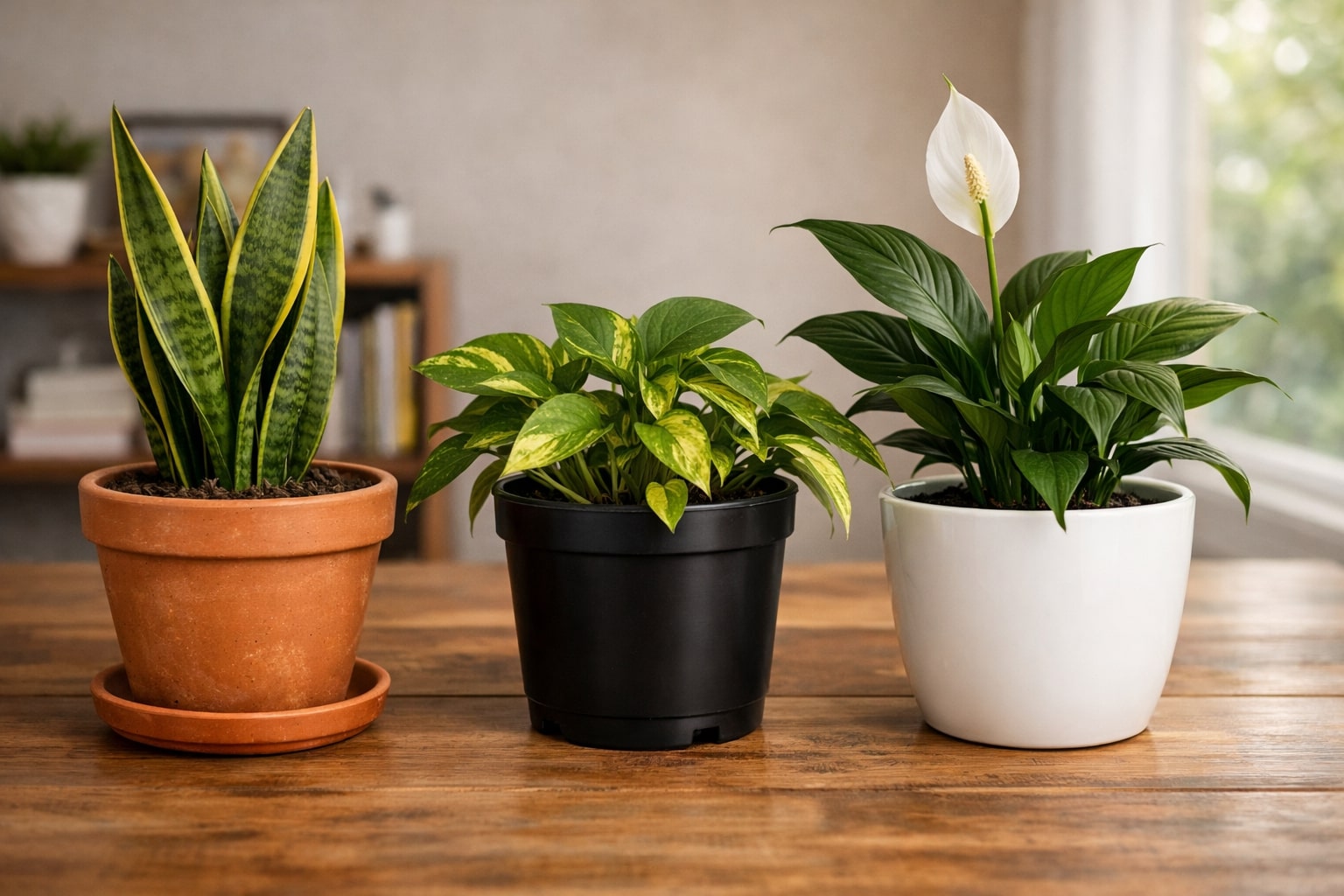
The pot material you choose affects how quickly soil dries, how heavy the container is and how much you'll spend. Terra cotta's breathability helps overwatering tendencies. Plastic's moisture retention suits forgetful waterers. Ceramic offers style with variable performance. Understanding these differences helps you match pots to plants and to your habits.
For pot sizing guidance, see Choosing the Right Pot Size.
The Direct Answer: Material Comparison
| Material | Moisture | Weight | Cost | Durability |
|---|---|---|---|---|
| Terra cotta | Dries fastest | Heavy | Low | Breakable |
| Plastic | Retains longest | Light | Low | Durable |
| Glazed ceramic | Retains like plastic | Heavy | High | Breakable |
| Unglazed ceramic | Moderate drying | Heavy | Moderate | Breakable |
The rule: Match the material to your watering tendency. Overwater? Use terra cotta. Underwater? Use plastic.
Terra Cotta
What It Is
The classic:
- Unglazed, fired clay
- Porous material
- The traditional orange-brown color
- Been used for centuries
How It Handles Moisture
Breathable and fast-drying:
- Water evaporates through pot walls
- Air reaches roots through clay
- Soil dries from all sides
- Faster drying than other materials
Best For
Good match for:
- Succulents and cacti
- Mediterranean herbs
- Plants that hate wet feet
- People who tend to overwater
- Any plant that wants to dry between waterings
Not Ideal For
Consider alternatives if:
- You forget to water frequently
- You live in a very dry climate
- You want moisture-loving plants
- You need very lightweight pots
Pros
Clear advantages:
- Prevents overwatering
- Classic appearance
- Inexpensive
- Widely available
- Environmentally friendly
Cons
Trade-offs:
- Can break if dropped
- Heavy when large
- May develop white mineral deposits
- Dries out quickly (can be a con)
- May need more frequent watering
Plastic Pots
What They Are
Modern standard:
- Molded plastic containers
- Non-porous material
- Various colors and styles
- What most nurseries use
How They Handle Moisture
Moisture-retentive:
- Water can only leave through drainage or evaporation from top
- Soil stays moist longer
- Less watering frequency needed
- Can contribute to overwatering if not careful
Best For
Good match for:
- Tropical plants that like moisture
- People who forget to water
- Hanging baskets (lighter weight)
- Large floor plants (manageable weight)
- Plants that want consistent moisture
Not Ideal For
Consider alternatives if:
- You tend to overwater
- You're growing succulents or cacti
- You want a premium look
- Environmental concerns about plastic
Pros
Clear advantages:
- Inexpensive
- Lightweight
- Won't break if dropped
- Easy to find in all sizes
- Many drainage hole options
Cons
Trade-offs:
- Can look cheap
- Retains moisture (can lead to overwatering)
- Not biodegradable
- Can degrade in sunlight over time
- Less stable than heavier pots
Ceramic Pots
Types of Ceramic
Wide variety:
- Glazed ceramic: Sealed, non-porous surface
- Unglazed ceramic: More porous, similar to terra cotta
- Stoneware: Dense, durable
- Decorative: Focus on appearance
Glazed Ceramic
Most common decorative option:
- Non-porous glazed surface
- Behaves like plastic regarding moisture
- Heavy and stable
- Wide variety of colors and styles
Unglazed Ceramic
Between terra cotta and glazed:
- Some porosity
- Dries faster than glazed
- Often more decorative than basic terra cotta
- Good middle ground
Best For
Good match for:
- Statement pieces and display
- Heavy plants that need stability
- Quality aesthetic
- Indoor focal points
Not Ideal For
Consider alternatives if:
- Budget is limited
- You need many pots
- Weight is a concern
- You want maximum breathability
Pros
Clear advantages:
- Attractive designs available
- Heavy = stable
- Wide variety of styles
- Can be heirloom quality
Cons
Trade-offs:
- Expensive
- Heavy to move
- Breakable
- Drainage holes not always included
- May need to drill drainage
Other Materials
Concrete and Cement
Heavy-duty option:
- Very heavy and stable
- Somewhat porous
- Industrial aesthetic
- Good for large floor plants
Fiberglass and Resin
Lightweight alternatives:
- Look like ceramic or stone
- Much lighter weight
- Good for large pots
- More expensive than plastic
Fabric/Grow Bags
Specialty option:
- Maximum breathability
- Air pruning of roots
- Not traditionally decorative
- Popular with some growers
Wood
Natural look:
- Rot-resistant species work best
- Eventually degrades
- Unique aesthetic
- Requires liner for longevity
Matching Material to Watering Habits
If You Overwater
Terra cotta helps:
- Faster drying forgives extra water
- Porous material provides margin for error
- White mineral deposits signal watering frequency
- Better choice for overwatering tendency
If You Underwater
Plastic or glazed ceramic:
- Moisture retention gives you more time
- Less frequent watering needed
- Soil stays moist longer
- More forgiving of neglect
If You're Consistent
Any material works:
- Your habits accommodate the pot
- Choose based on aesthetics or other factors
- Adjust watering for the material
- More flexibility in choice
Matching Material to Plants
Succulents and Cacti
Terra cotta strongly preferred:
- Fast drying essential
- Prevents rot
- Traditional pairing
- Unglazed for maximum breathability
Tropical Foliage
Flexible options:
- Plastic works well (moisture retention)
- Ceramic fine with attention to watering
- Terra cotta okay with more frequent watering
- Consider humidity needs
Moisture-Loving Plants
Avoid terra cotta usually:
- Ferns, calatheas prefer moisture
- Plastic or glazed ceramic better
- Terra cotta dries too fast
- Unless you water very frequently
Large Floor Plants
Weight considerations:
- Heavy pots provide stability
- But moving becomes difficult
- Consider plant caddies
- Fiberglass offers size without weight
Drainage Concerns by Material
Terra Cotta
Usually has drainage:
- Most come with holes
- Easy to check before buying
- Standard feature
Plastic
Varies:
- Nursery pots always have drainage
- Decorative plastic may not
- Check before buying
- Can drill holes in plastic
Ceramic
Often lacking:
- Many decorative ceramics have no holes
- May need to drill
- Or use as cachepot over nursery pot
- Always verify drainage
Cost Comparison
Budget Options
Most affordable:
- Basic plastic pots
- Simple terra cotta
- Nursery pots (often free with plants)
Mid-Range
Moderate investment:
- Decorative terra cotta
- Quality plastic
- Simple ceramic
Premium
Higher investment:
- Artisan ceramic
- Large fiberglass
- Designer planters
Frequently Asked Questions
Does pot material really make that much difference?
Yes, especially for watering. Terra cotta can dry out twice as fast as plastic. This significantly affects how often you need to water and your success with certain plants.
Can I paint terra cotta pots?
Yes but it reduces porosity. Painted terra cotta behaves more like plastic or glazed ceramic. If you want the breathability benefits, leave at least the inside unfinished.
Why do my terra cotta pots turn white?
Mineral deposits from water evaporating through the clay. It's normal and harmless. You can clean it with vinegar, or embrace the aged look, many people find it attractive.
Can I use decorative pots without drainage holes?
Yes but use them as cachepots, place a nursery pot with drainage inside the decorative pot. Remove for watering, let drain, then return. Never plant directly in pots without drainage.
Which material is best for beginners?
Terra cotta if you tend to overwater, plastic if you tend to forget watering. Both are inexpensive and forgiving in their respective ways. Start simple and upgrade as you learn your habits.