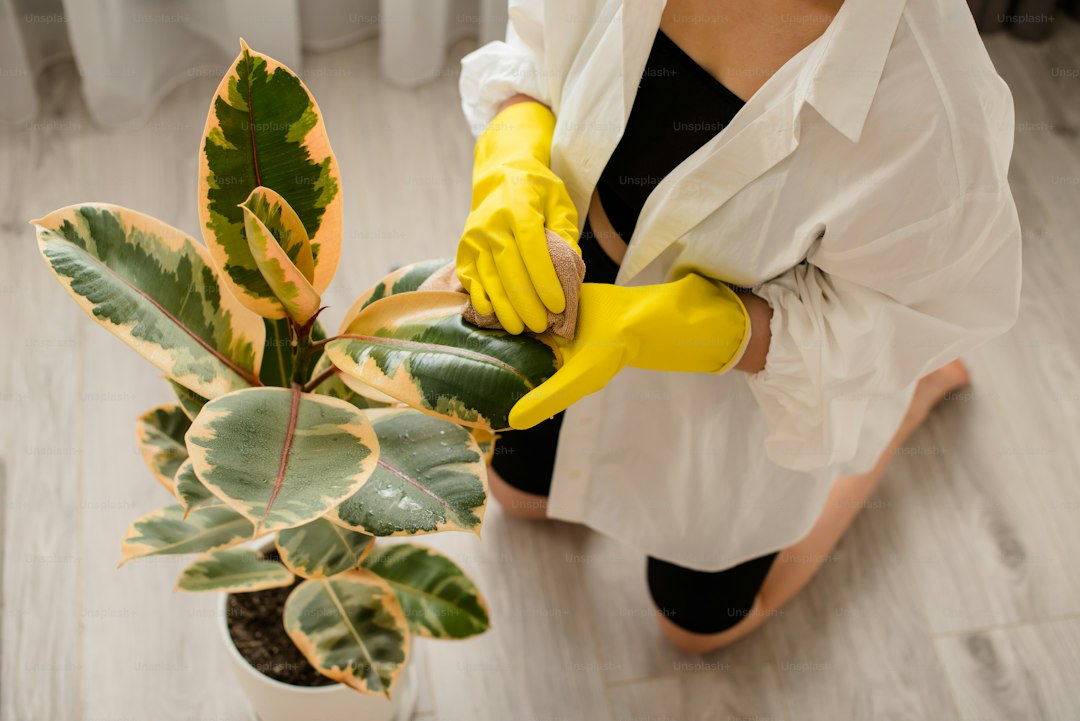
Underwatered Plant: Signs and Recovery
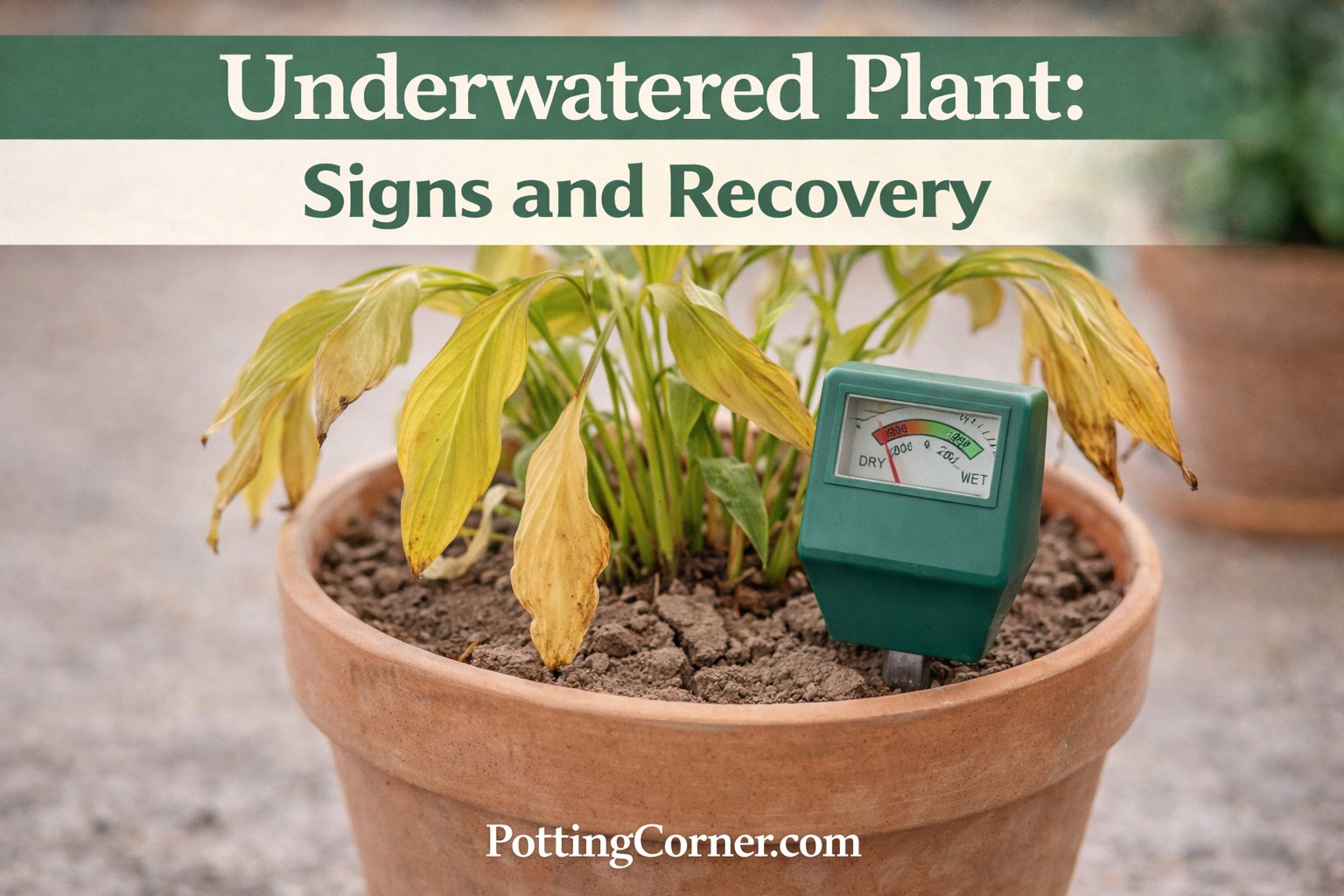
Drooping leaves, dry soil, crispy edges, your plant is parched. Unlike overwatering, underwatering is usually reversible with quick action. Most plants bounce back within hours of a good drink.
29 posts tagged with #beginner-friendly

Drooping leaves, dry soil, crispy edges, your plant is parched. Unlike overwatering, underwatering is usually reversible with quick action. Most plants bounce back within hours of a good drink.

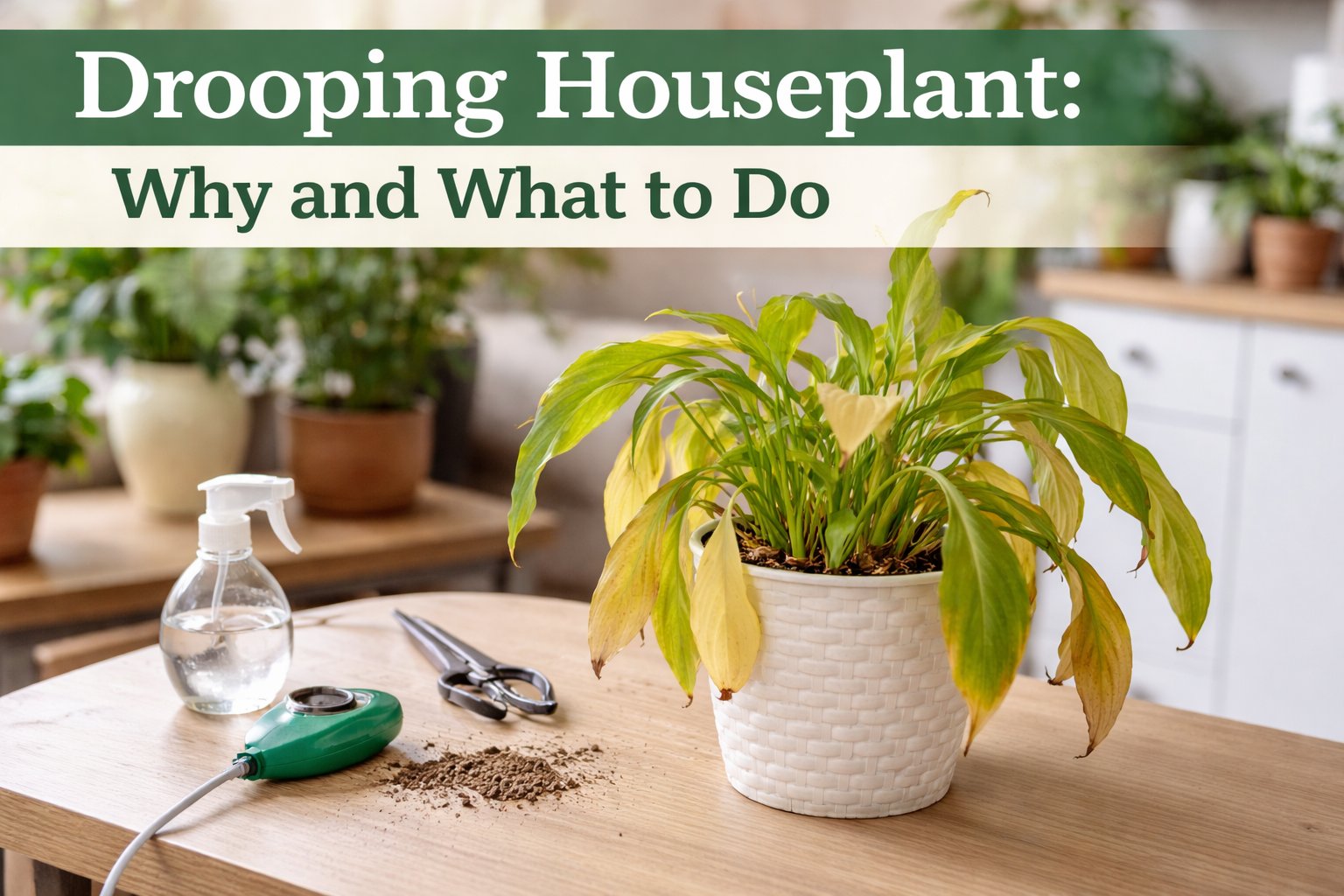
A drooping plant is begging for help but the cause could be thirst, overwatering, temperature shock, or transplant stress. The solution depends entirely on the diagnosis here's how to tell.

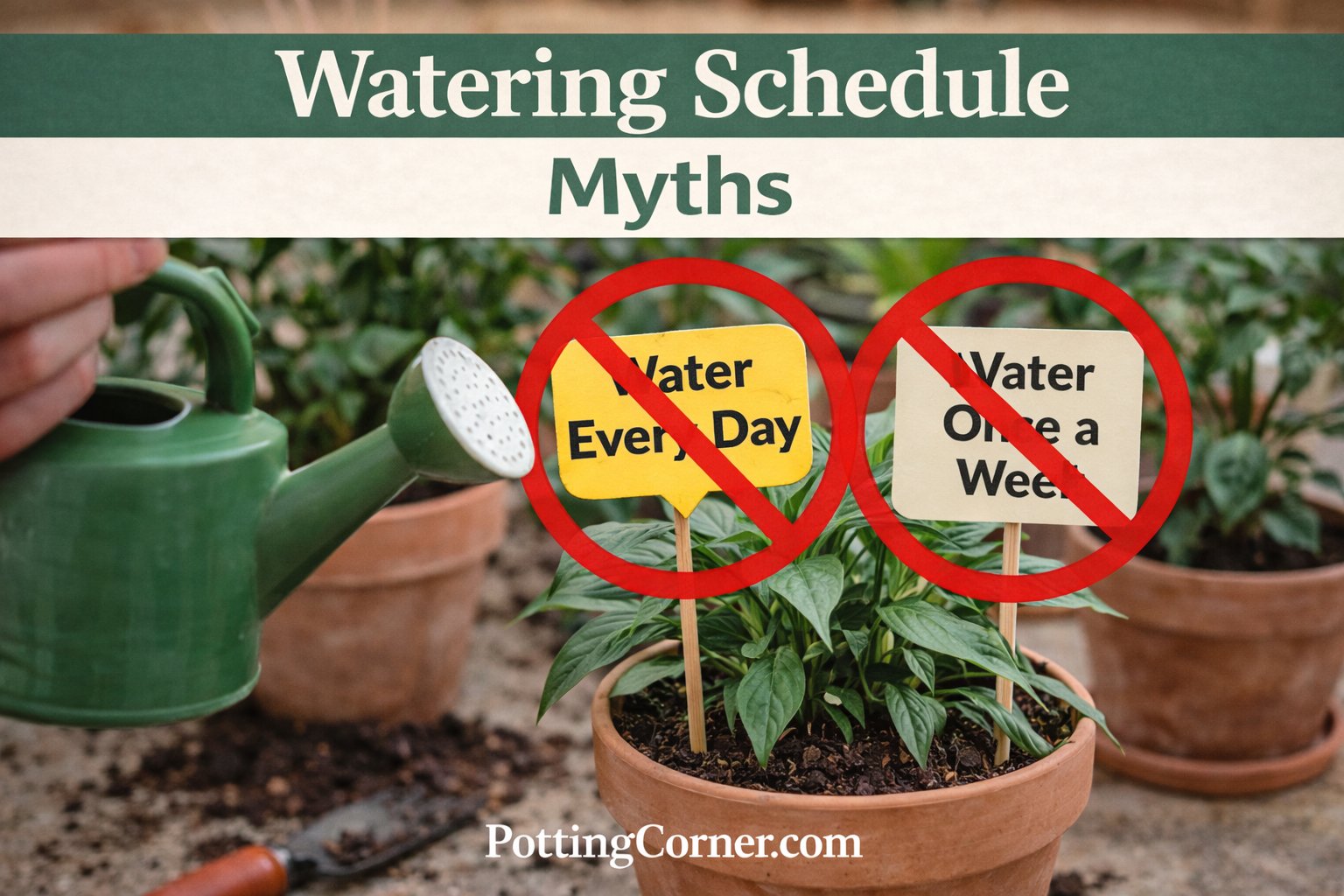
"Water every Sunday." "Give it a cup of water." "Mist daily." Common watering advice is often wrong. Here's what actually matters and it's not your calendar.

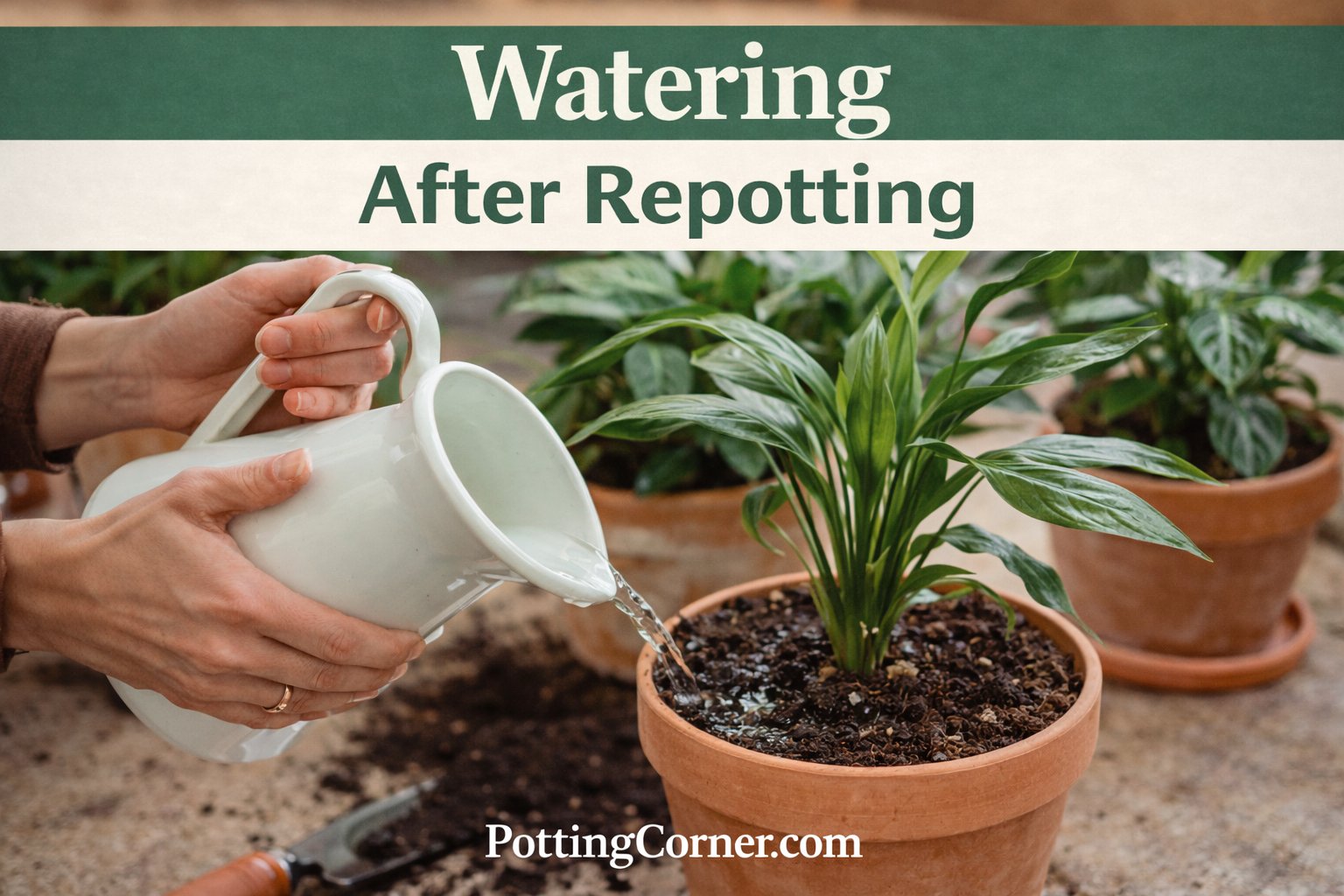
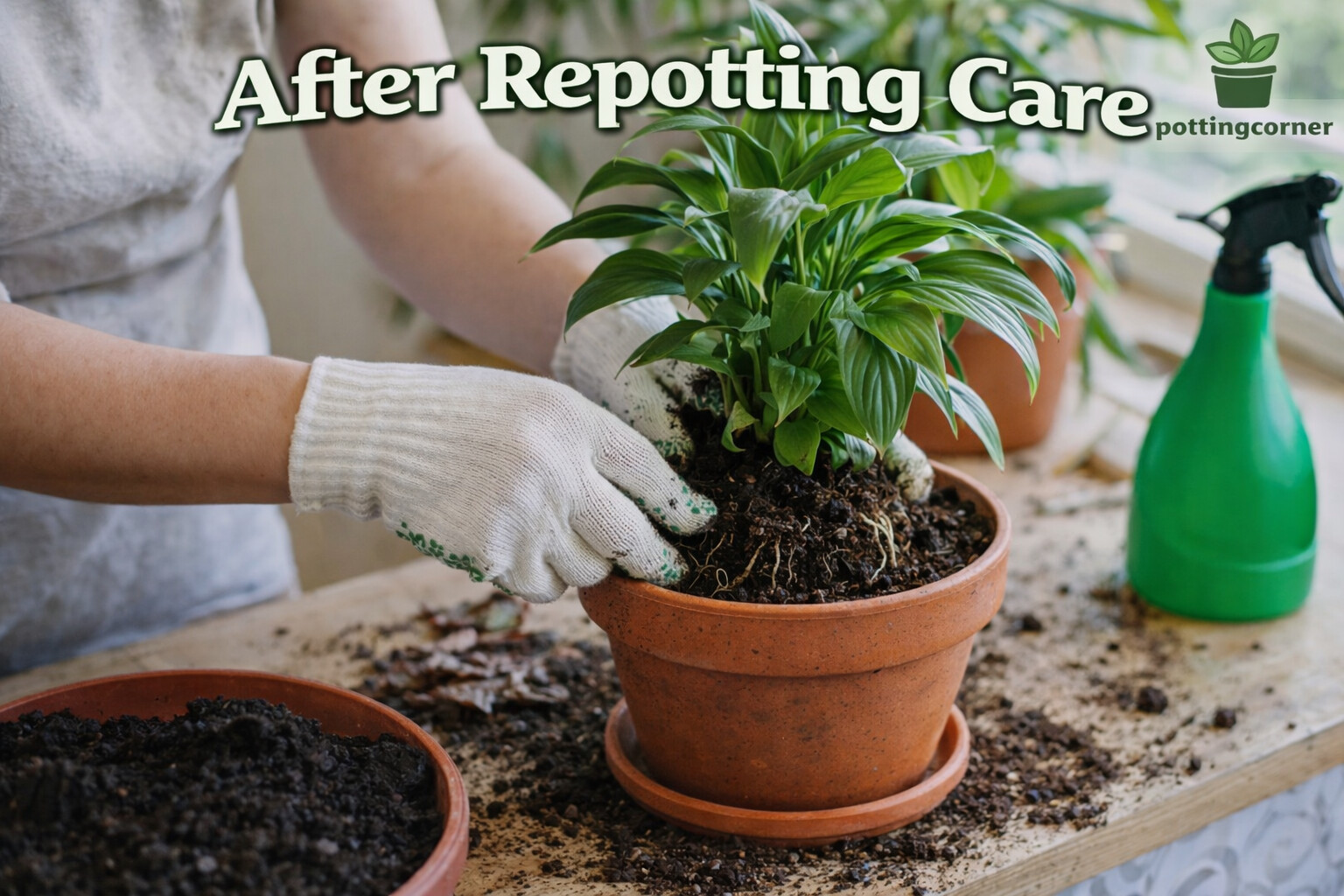
Fresh soil, stressed roots and anxious plant parents, repotting creates a perfect storm for watering mistakes. Here's exactly how to water in the critical days after repotting.

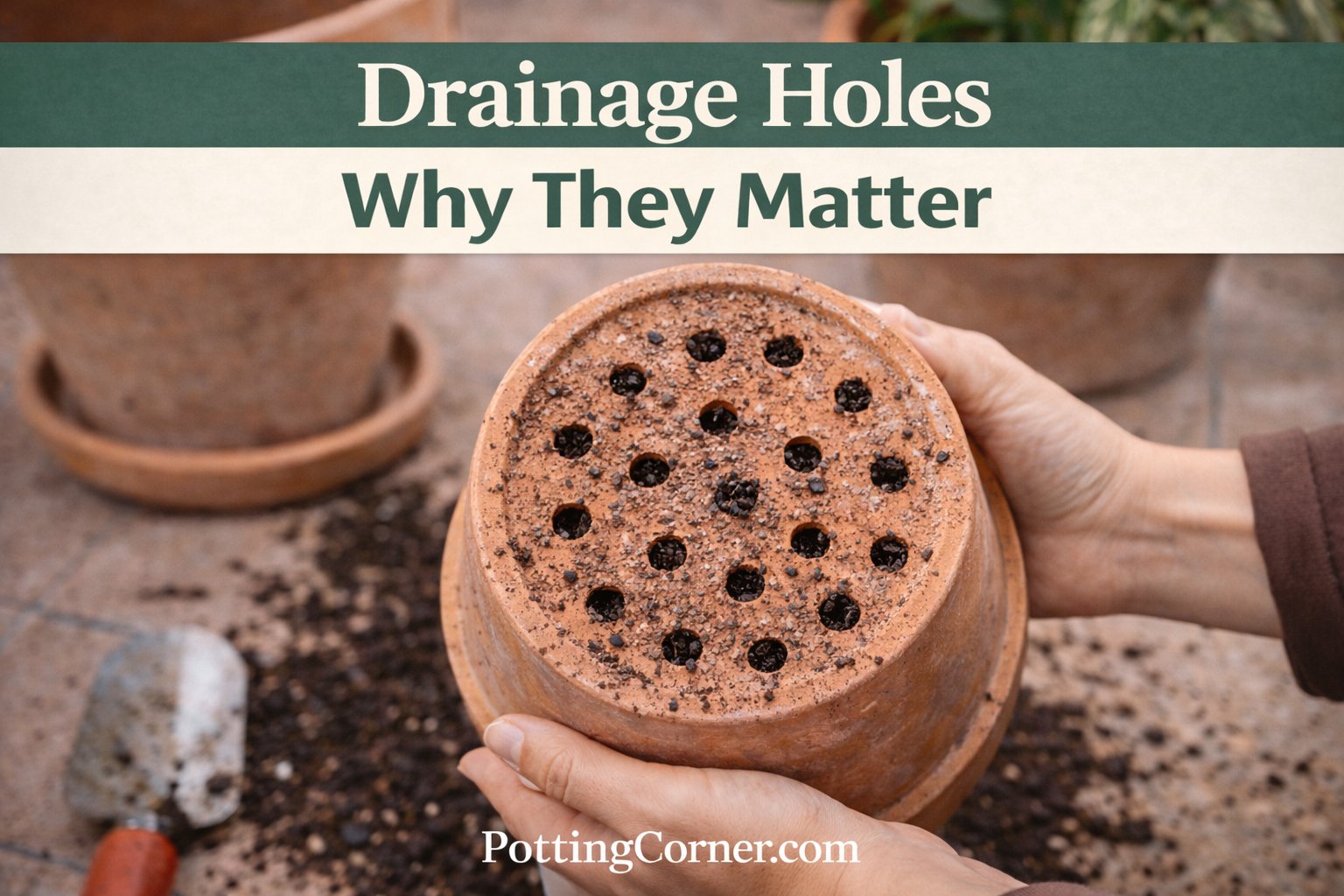
No drainage = no escape for excess water = drowned roots. It's not optional and no amount of rocks at the bottom substitutes for actual holes.

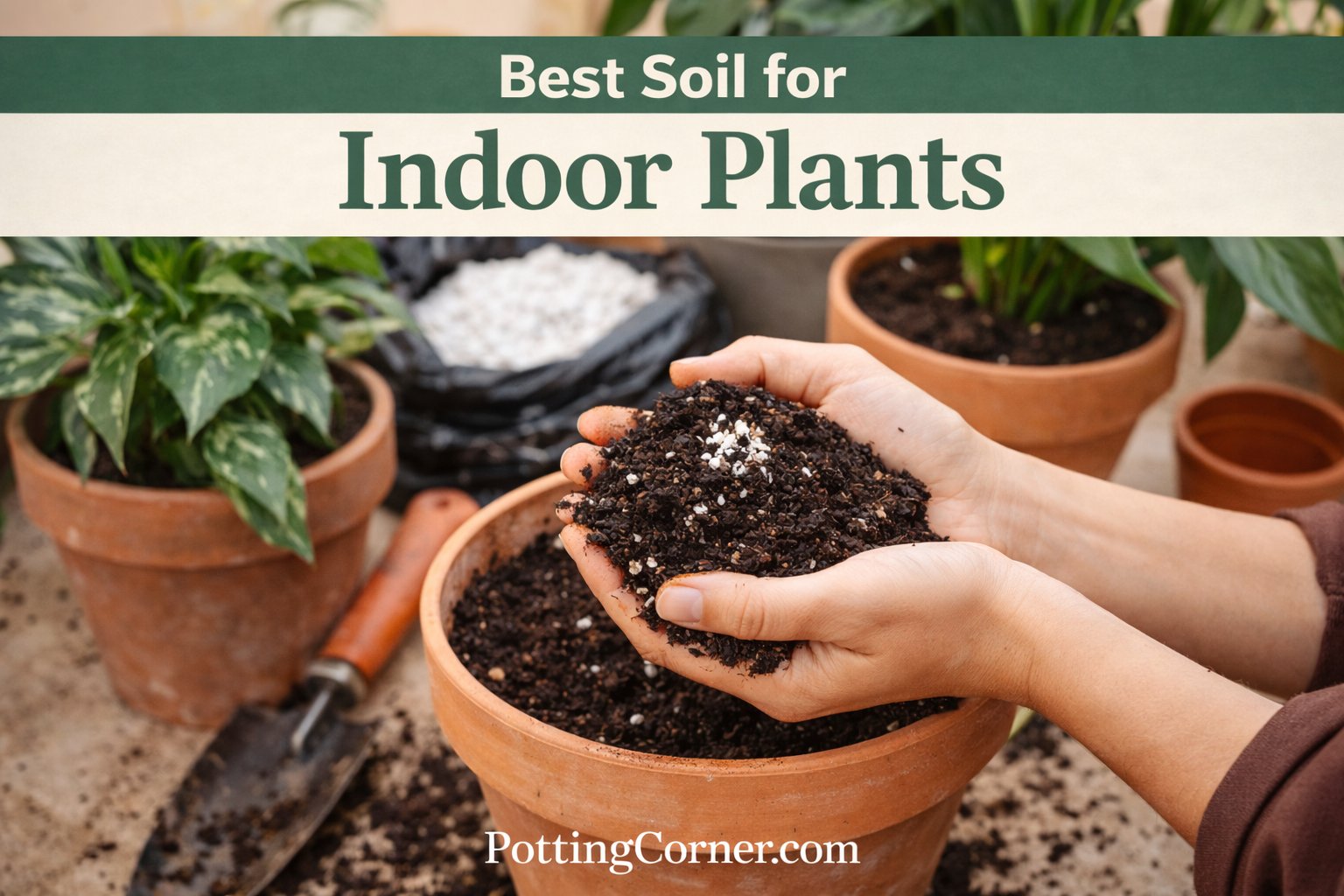
Not all potting mixes are equal and garden soil will kill your houseplants. Here's how to choose the right mix and what ingredients actually matter for indoor plants.

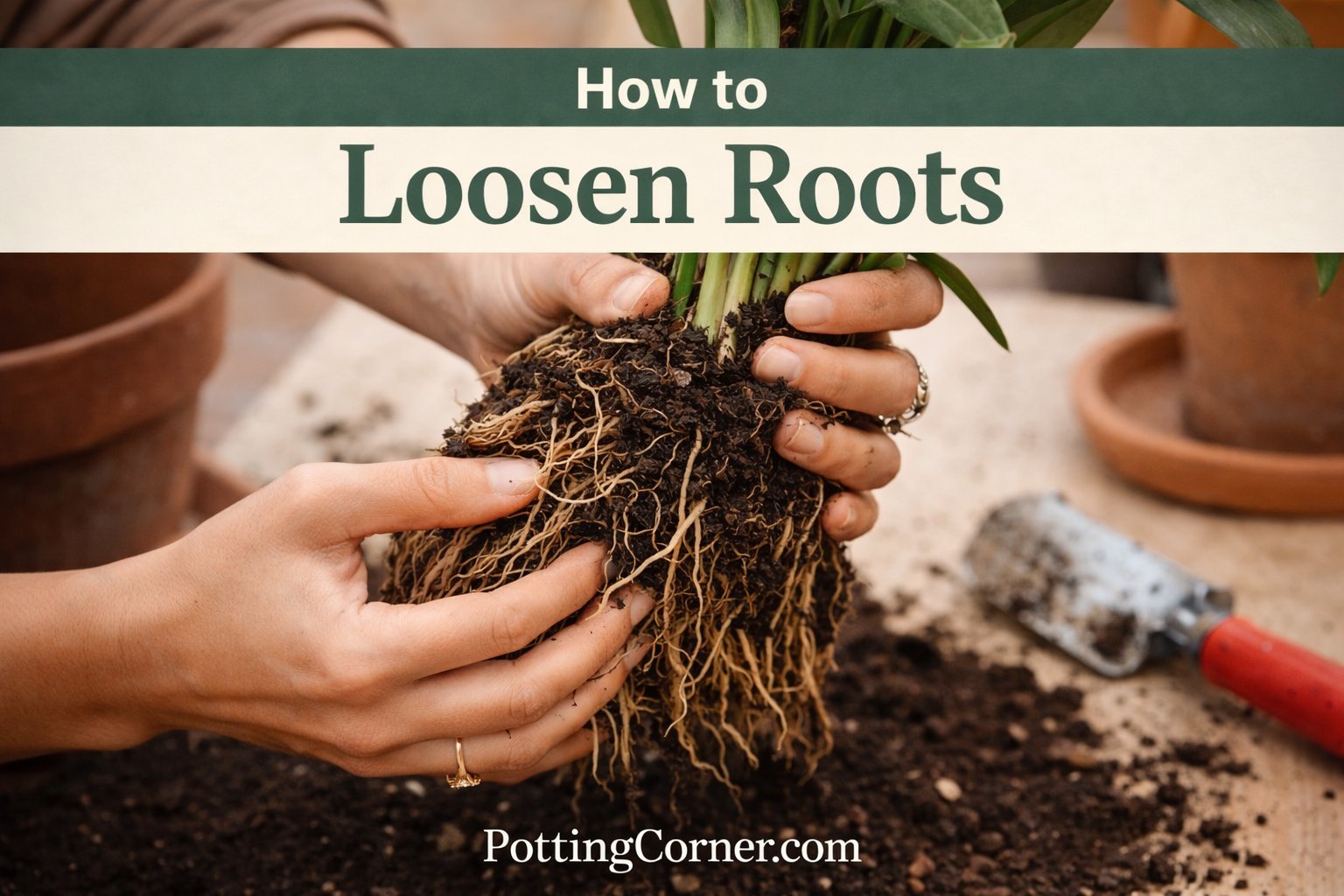
Circling roots won't magically spread out in a new pot they'll keep circling. Here's how to gently loosen, tease and cut roots to encourage healthy outward growth.

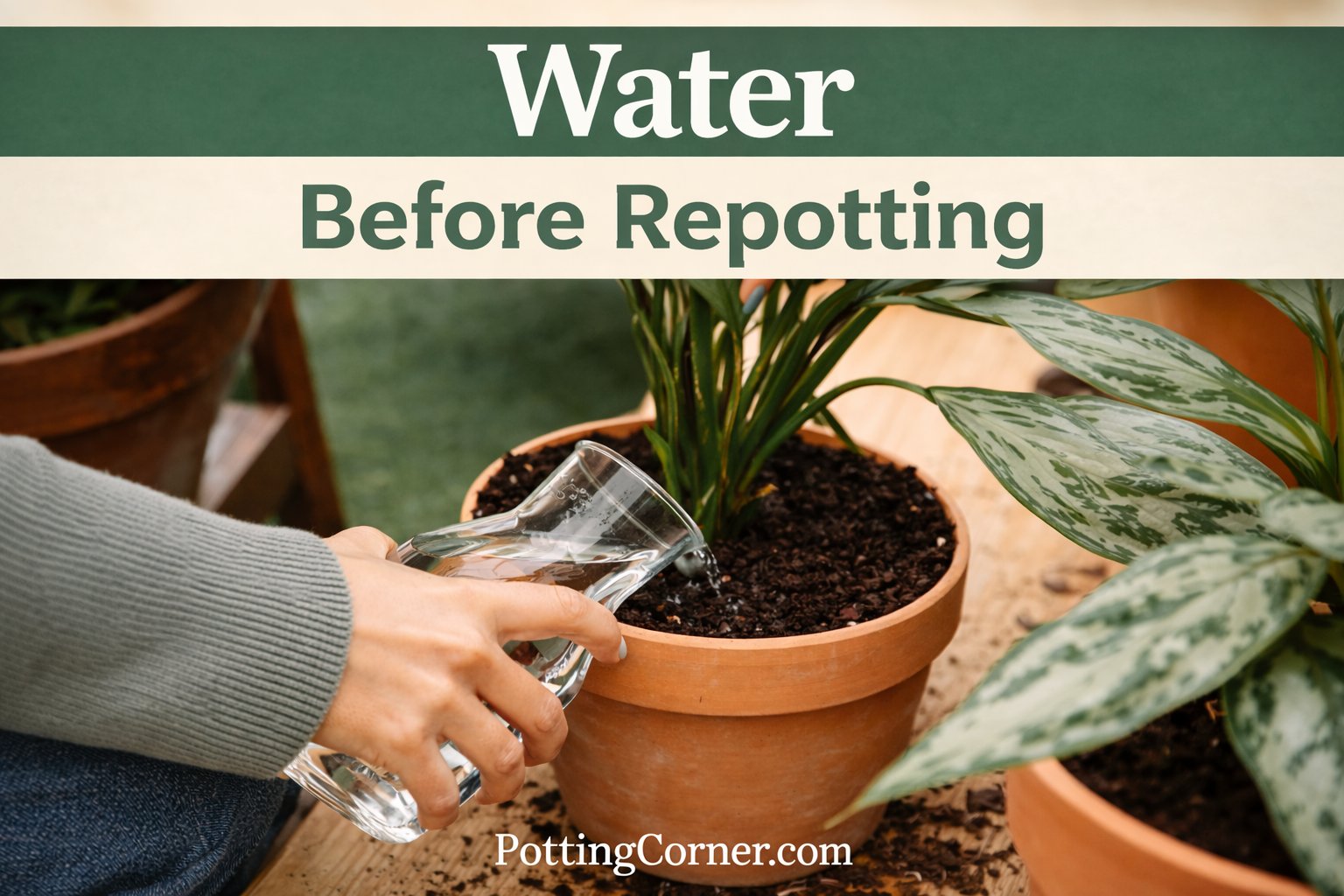
Dry soil crumbles and roots snap. Soggy soil makes a mess and hides problems. The timing of your last watering affects everything about the repotting process.

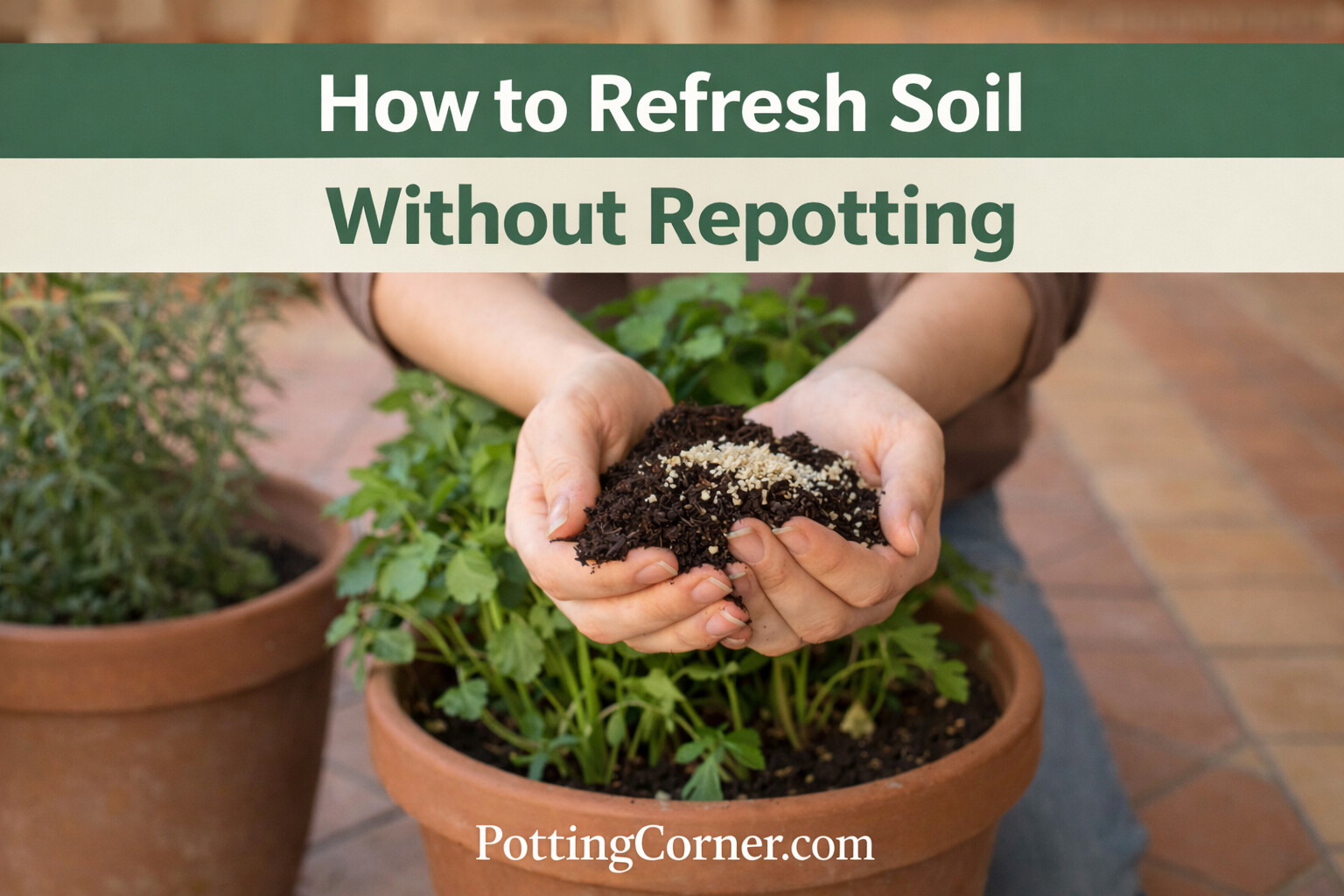
Sometimes your plant doesn't need a new pot just fresh soil. Top dressing and partial soil replacement revive tired potting mix without the stress of a full repot.

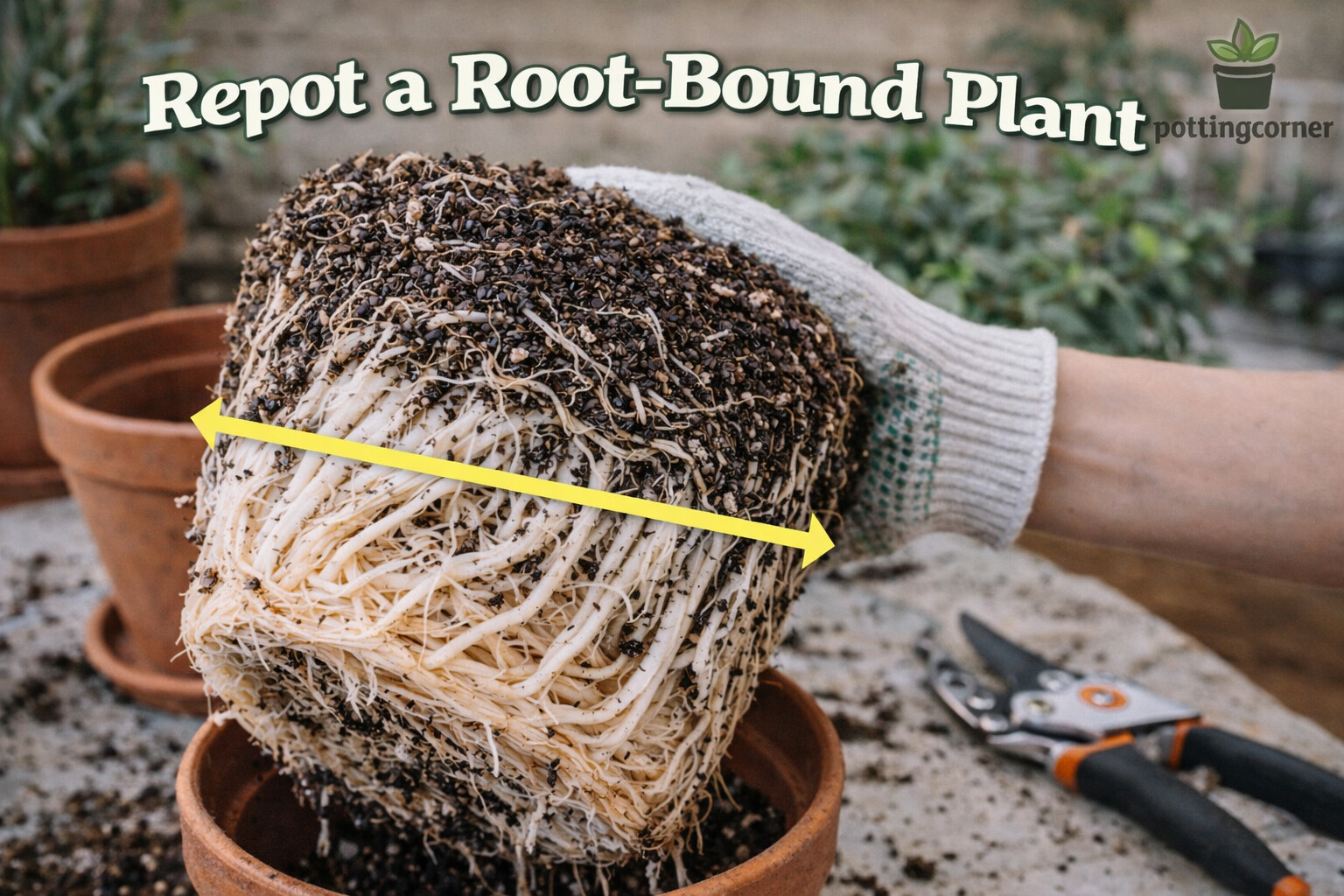
A tangled mass of circling roots needs careful handling, rush it and you'll damage your plant. Here's how to safely repot a root-bound plant and encourage healthy new growth.

The first two weeks after repotting determine whether your plant thrives or struggles. Skip the fertilizer, adjust your watering and give it time to recover.

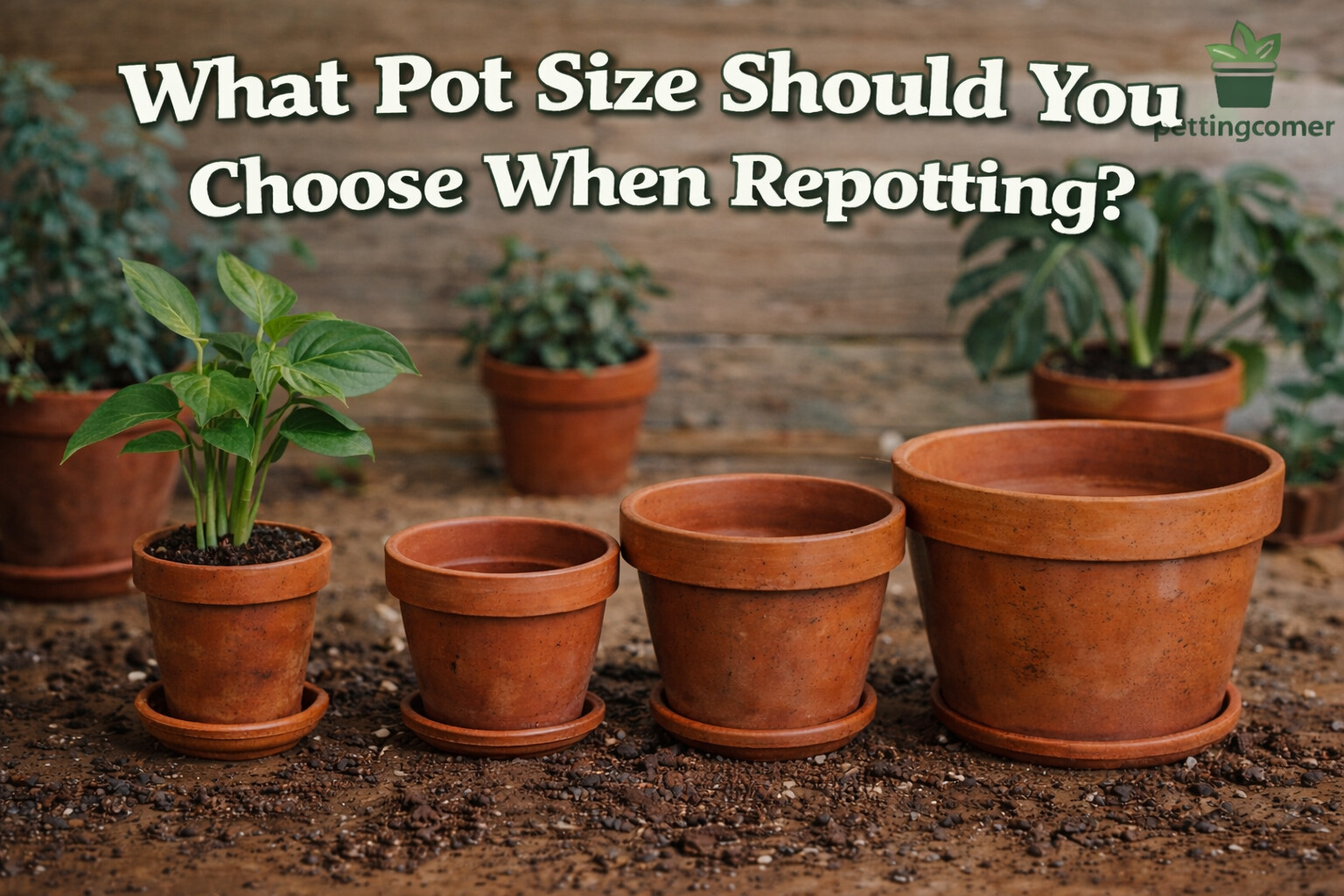
Go 1-2 inches larger that's the golden rule for pot sizing. But why does size matter so much and when should you break the rule? A practical guide to choosing the right pot.

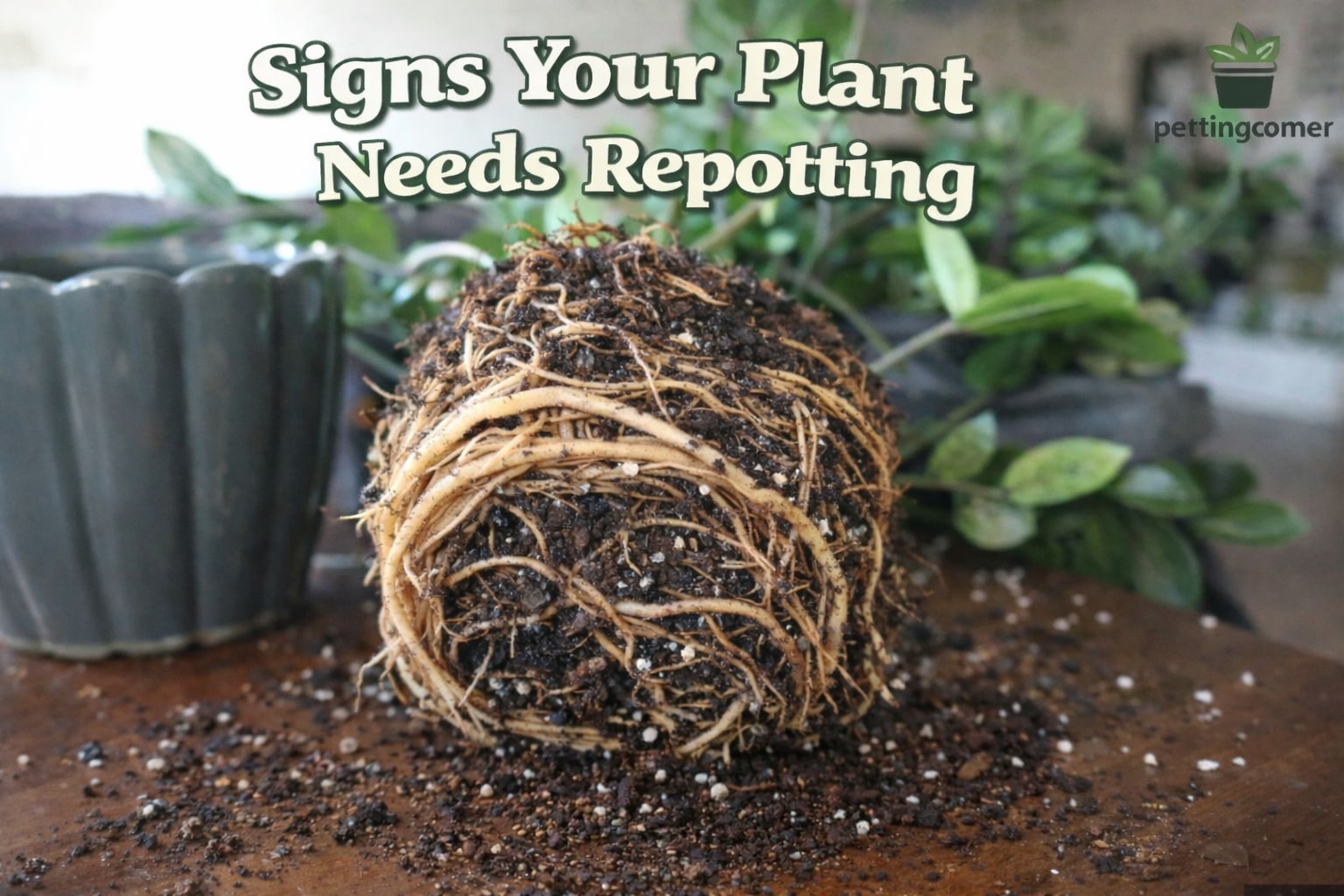
Roots escaping drainage holes? Water running straight through? These are clear signs your plant needs a new pot. Here's how to tell when it's time and when it's not.

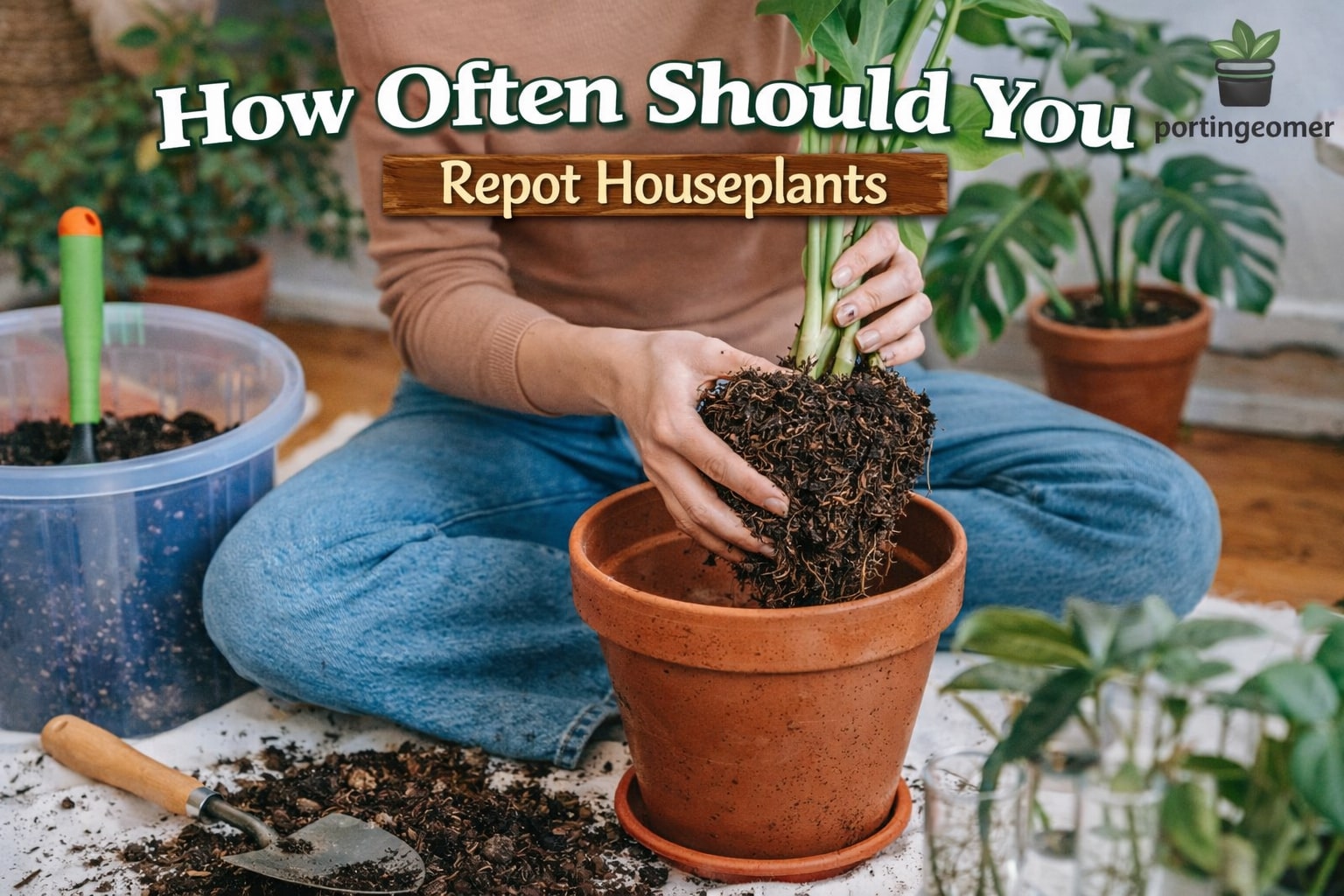
Most houseplants need repotting every 1-3 years but the real answer depends on your plant type and growing conditions. Find the right frequency for your plants.
"Low light" doesn't mean "no light." It means tolerant of dim conditions not thriving in them. Here's what low light actually looks like and which plants genuinely survive it.
Moving a plant from dim corner to sunny window, or from indoors to outside, causes sunburn without gradual adjustment. Here's how to safely transition plants to brighter conditions.

Each pot material handles moisture differently. Terra cotta breathes and dries fast; plastic retains water; ceramic varies by glazing. Choose based on your watering habits and plant needs.

Bigger isn't better when it comes to pots. Too large and roots rot; too small and growth stalls. The sweet spot is just 1-2 inches larger than the current root ball. Here's how to get it right.
Yellow leaves are your plant's distress signal but the cause could be overwatering, underwatering, age, pests, or a dozen other issues. Here's how to read the pattern and fix the problem.

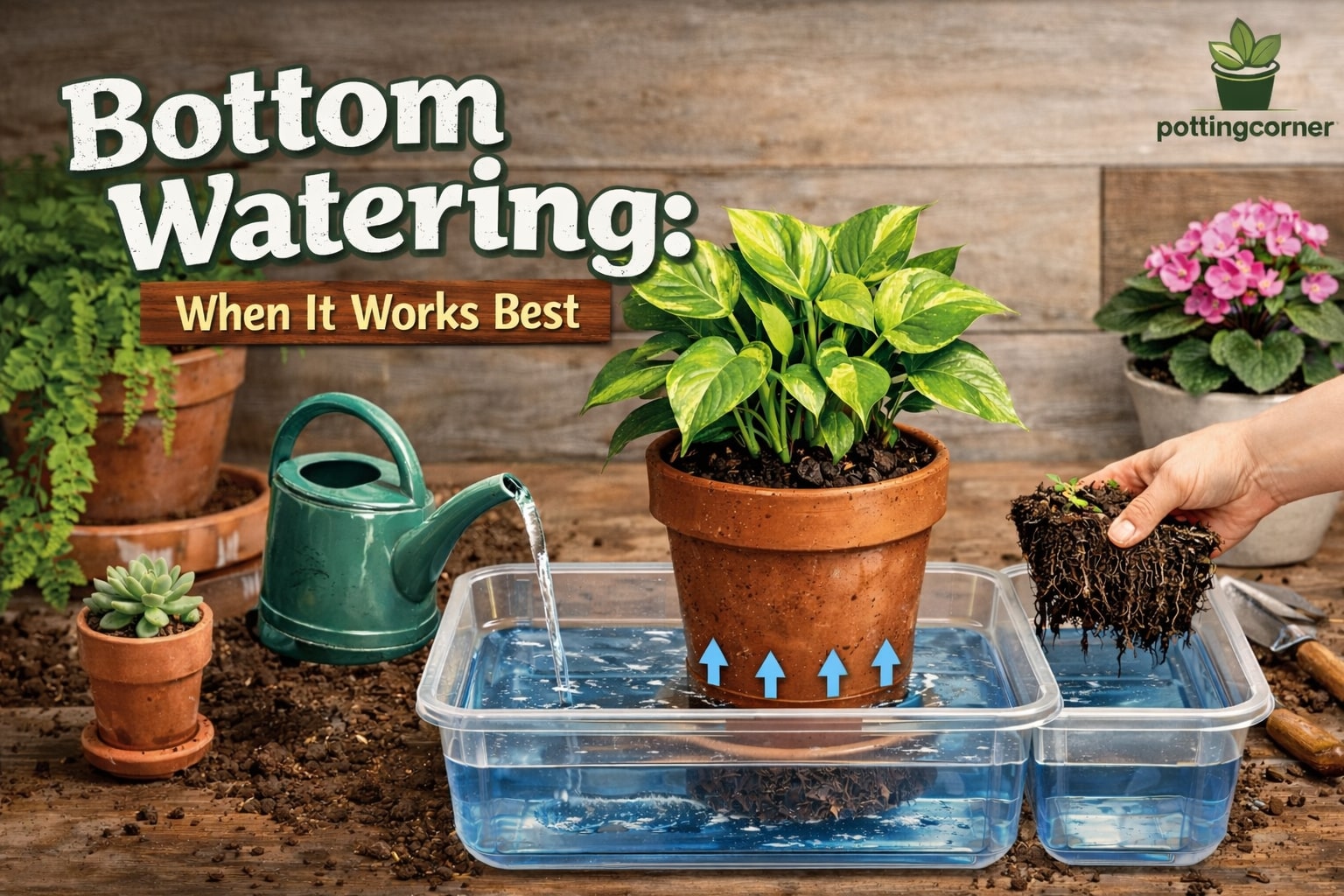
Setting your pot in a dish of water lets soil absorb moisture from below but it's not always better than top watering. Here's when bottom watering helps and when it doesn't.
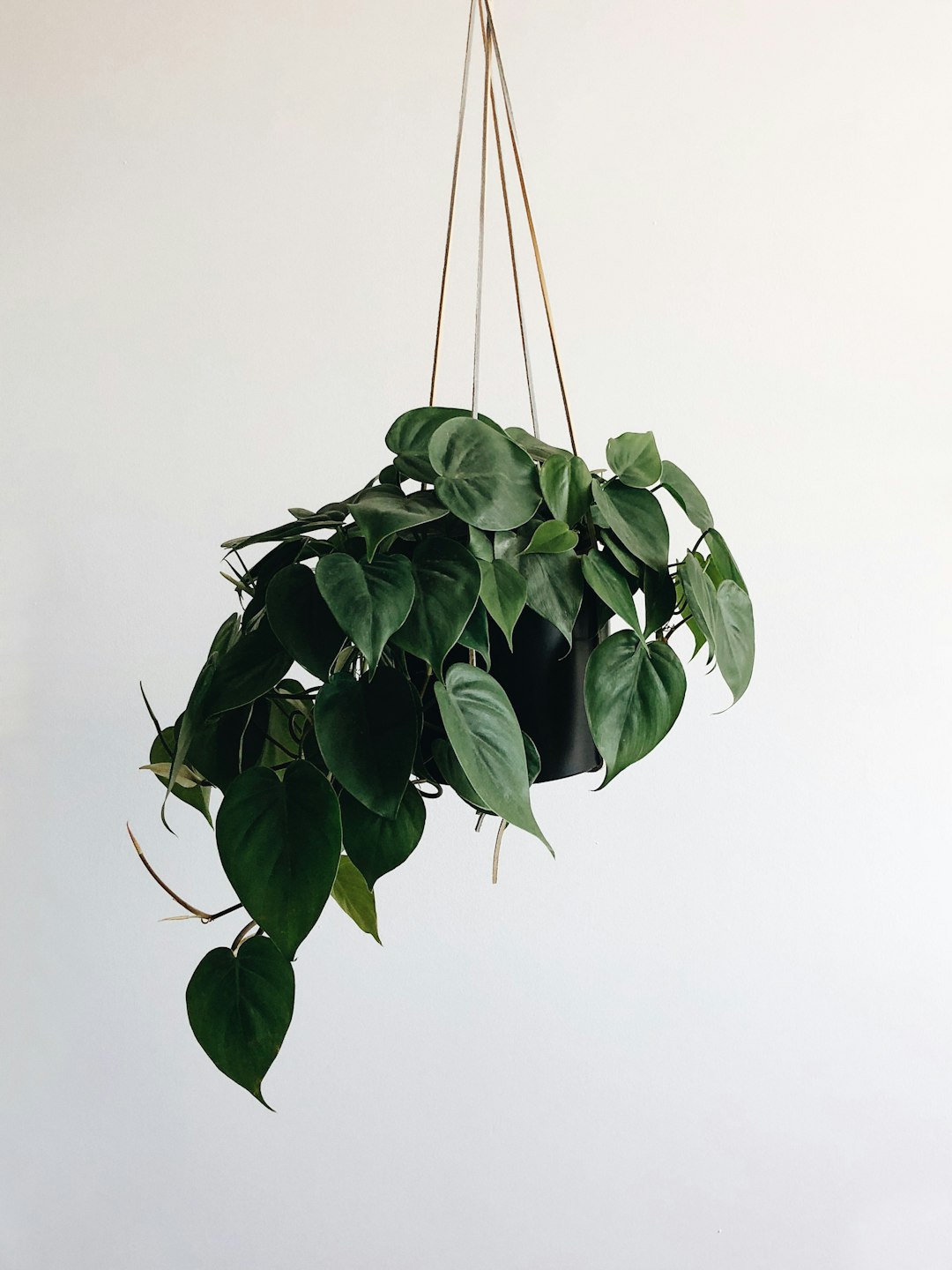
Pothos is the ultimate beginner plant it tells you when it needs water, grows in almost any light and bounces back from neglect. Here's everything you need to know to keep one thriving.

Succulents store water in their leaves that's their whole strategy. Water them like regular houseplants and they'll rot. Here's the right approach for indoor succulent watering.
New to houseplants? Start here. Not all plants are created equal, some thrive on neglect while others need constant attention. This guide covers the easiest plants to grow and the fundamentals that apply to all of them.

Early spring is ideal for repotting but timing mistakes can stress your plant for months. Here's when to repot, when to wait and how to read your plant's signals.
Forget weekly schedules, your plant doesn't own a calendar. The finger test, lift test and visual cues tell you exactly when to water.
Something's wrong with your plant but what? Yellow leaves, brown tips, drooping, pests, each symptom points to specific causes. This guide helps you diagnose the problem and fix it before your plant declines further.
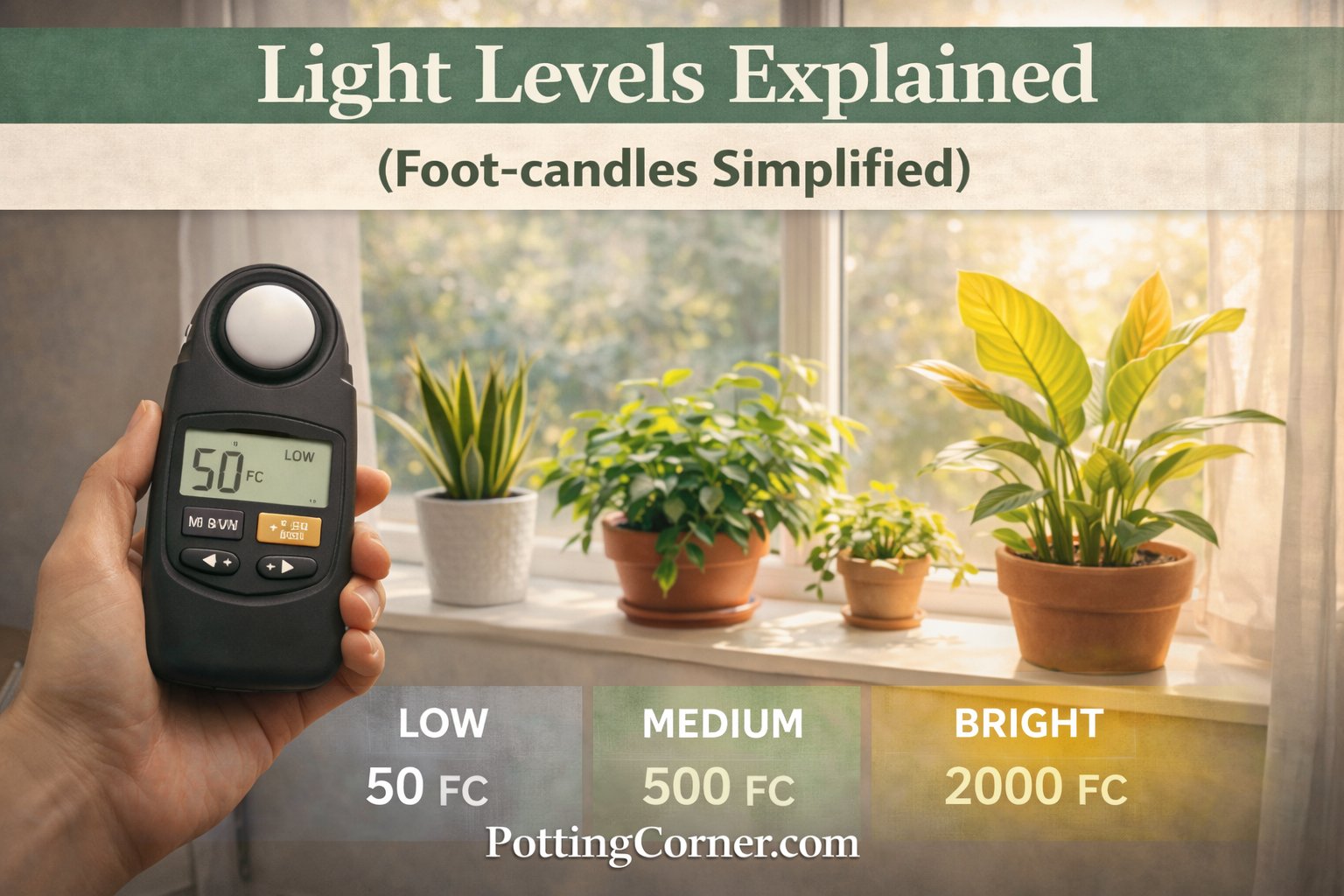
"Bright indirect light" is the most common and most confusing, plant care instruction. This guide translates light terms into actual window positions and room placements.

Learn when and how to repot your houseplants with our complete guide. Covers signs your plant needs repotting, choosing pots, best soil and step-by-step instructions.

Overwatering kills more houseplants than anything else but underwatering is a close second. This guide teaches you to read your plants and water correctly.