Monstera Care Guide for Beginners
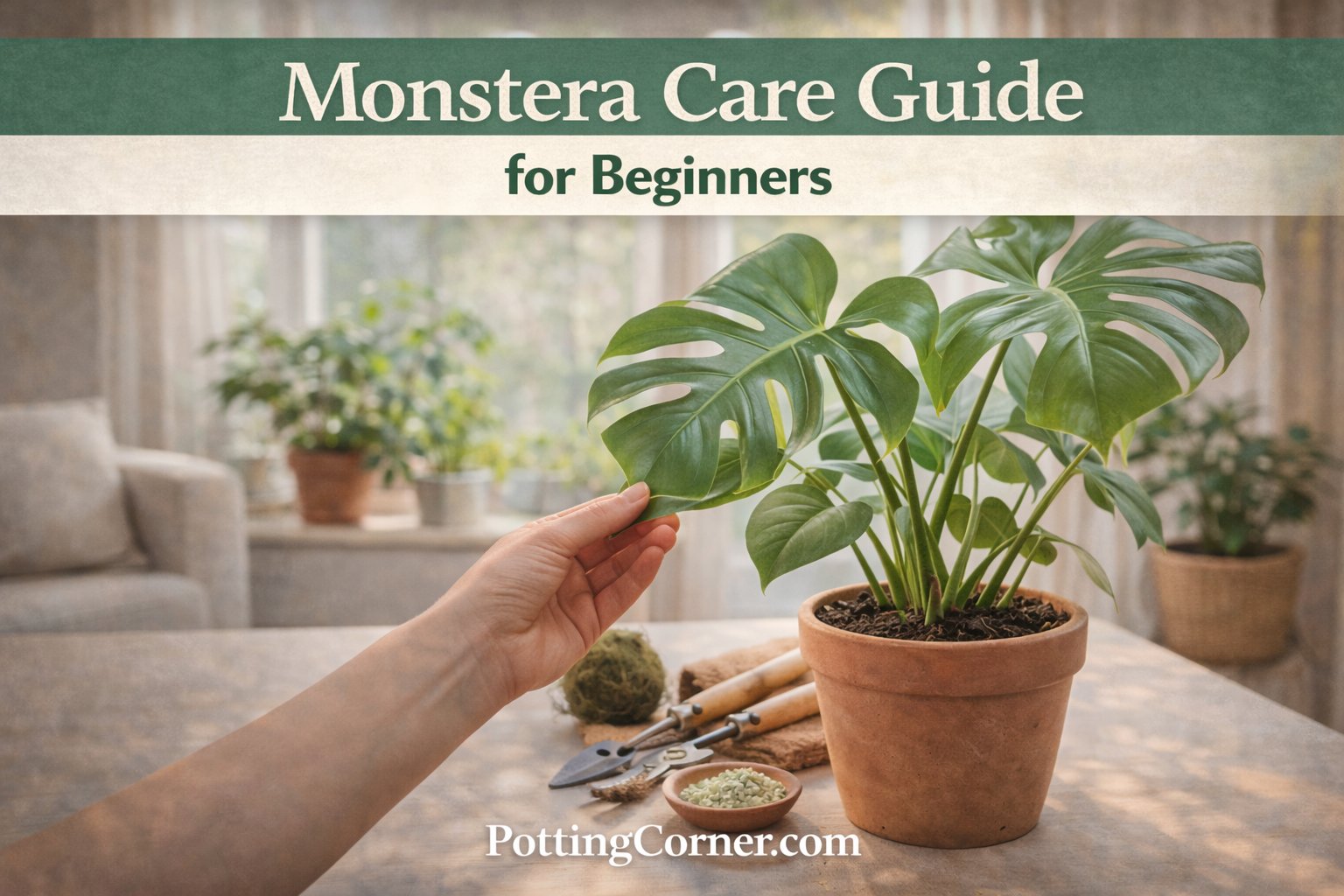
Monstera deliciosa the iconic split-leaf plant, is easier than its tropical looks suggest. Give it bright indirect light, water when dry and watch those fenestrated leaves grow larger and more dramatic.
Browse all plant care guides published on Potting Corner, from repotting basics to troubleshooting common plant problems.

Monstera deliciosa the iconic split-leaf plant, is easier than its tropical looks suggest. Give it bright indirect light, water when dry and watch those fenestrated leaves grow larger and more dramatic.

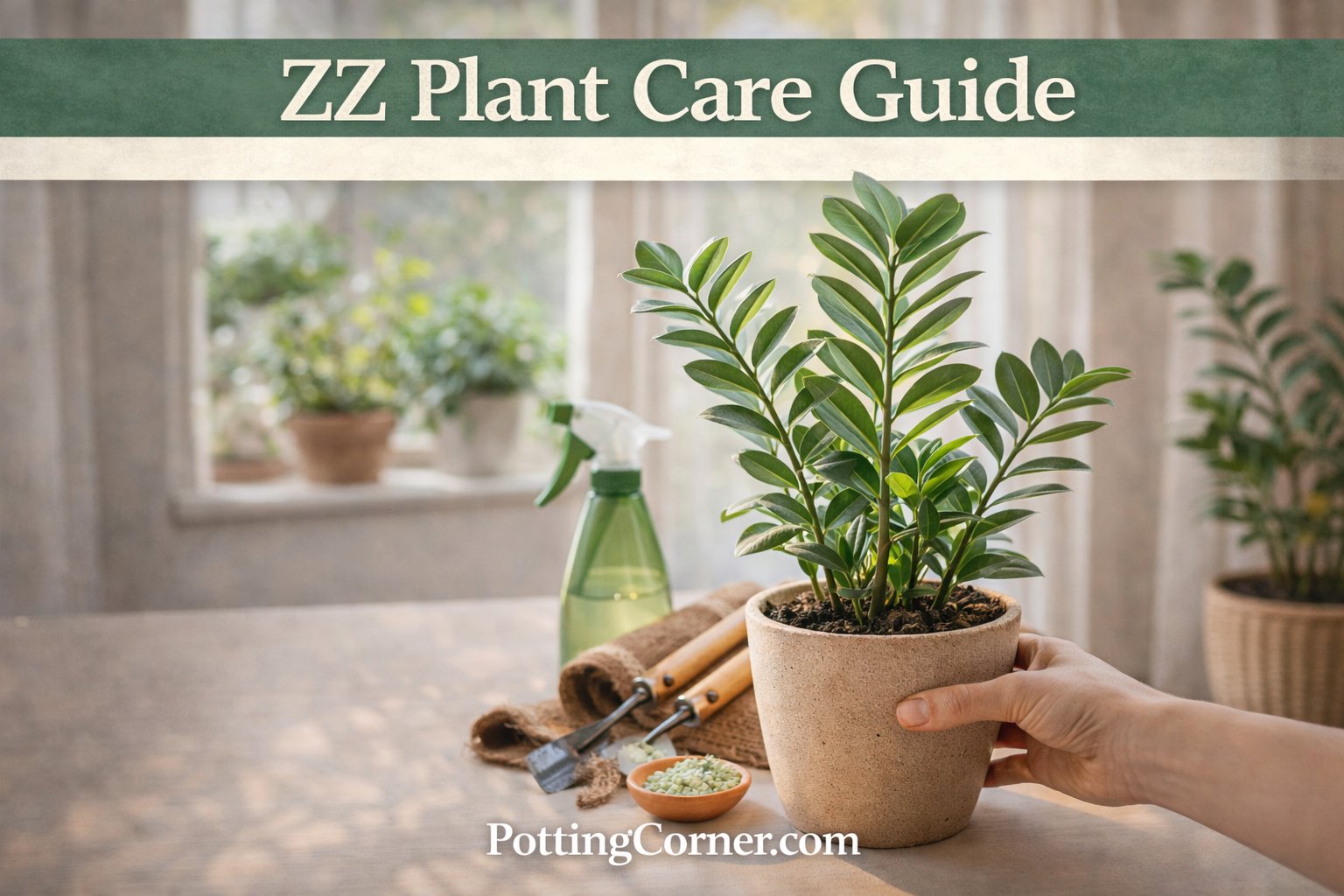
ZZ plants (Zamioculcas zamiifolia) store water in underground rhizomes and survive months of neglect. Perfect for dim offices, forgetful waterers and anyone who wants a plant that basically cares for itself.

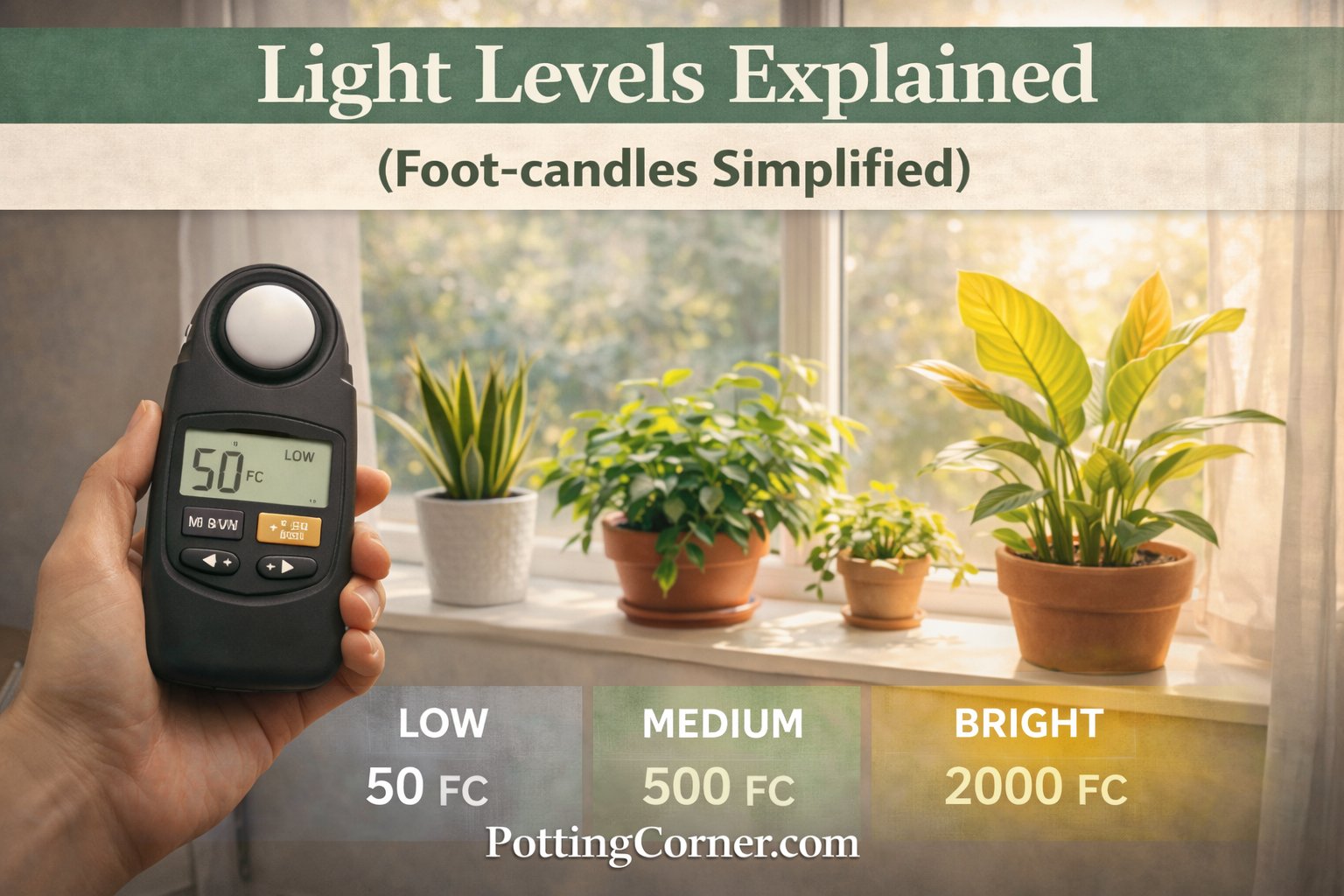
What do 'low,' 'medium,' and 'bright' light actually mean? Foot-candles and lux give you real numbers instead of guesswork. Here's how to measure light and match it to plant needs.

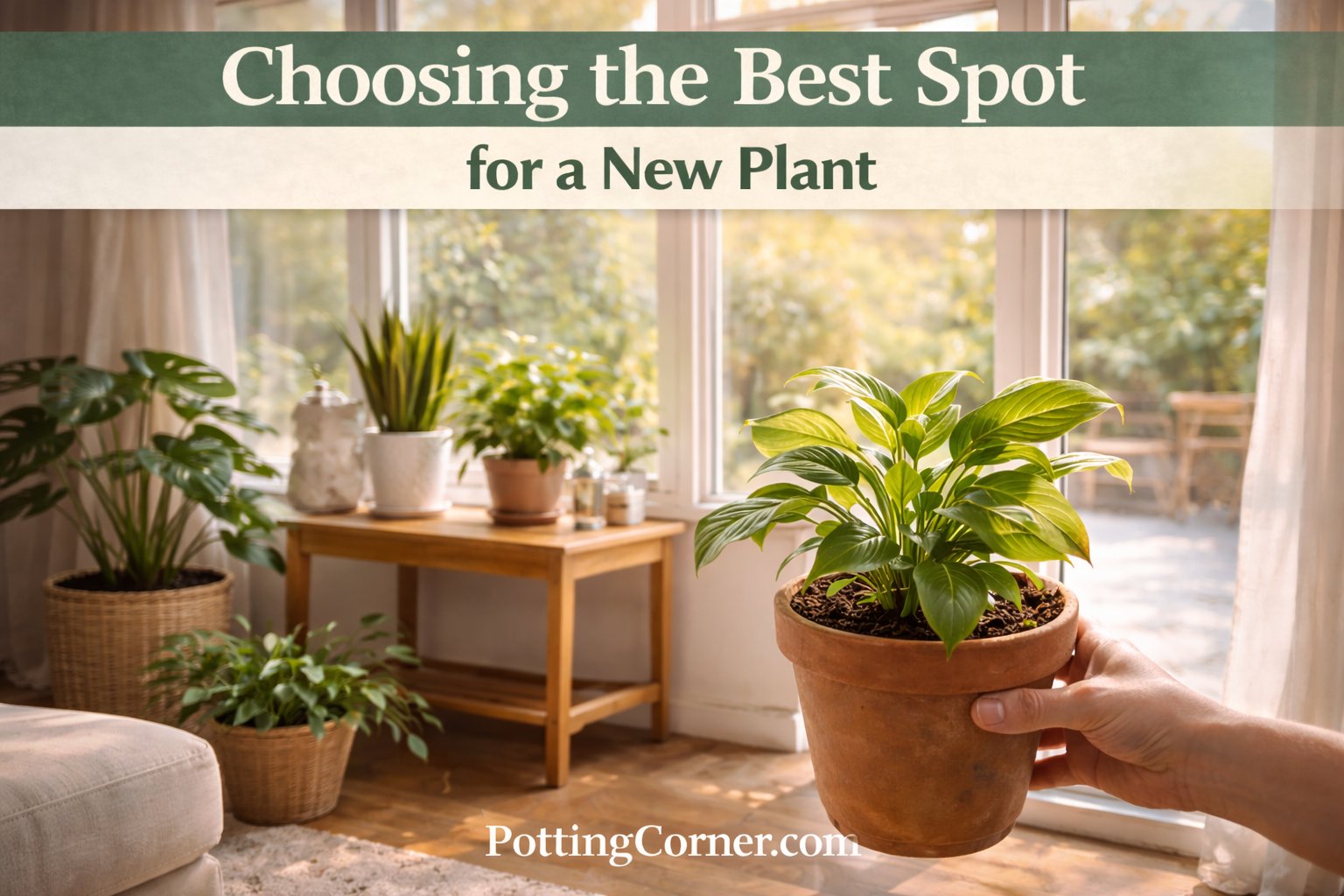
You bought a new plant, now where does it go? The decision involves light, temperature, traffic and your plant's specific needs. Here's a systematic way to find the right spot.

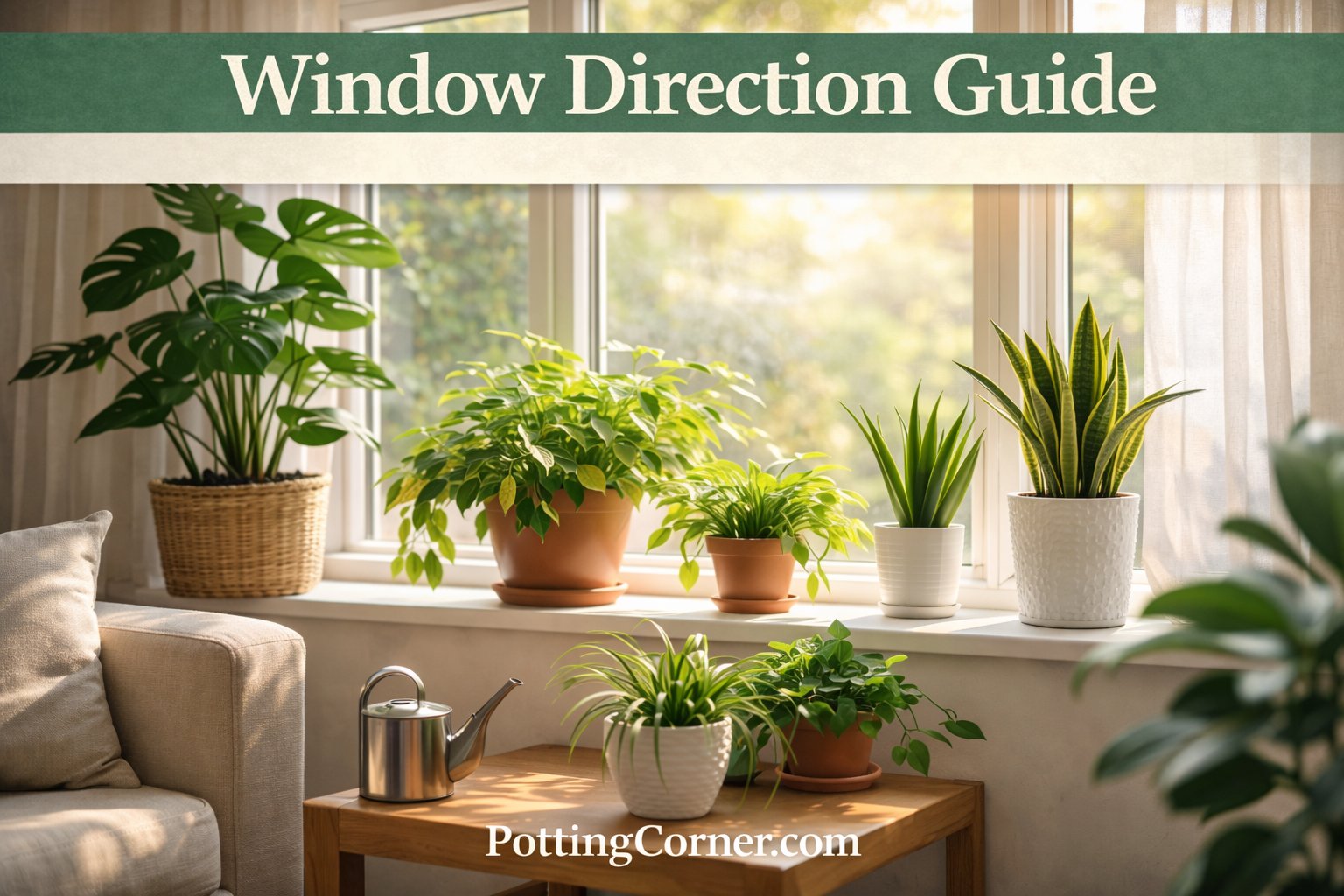
Which window is best for your plant? South windows blast light; north windows are dim. East gives gentle morning sun; west gives intense afternoon heat. Here's how to match plants to windows.

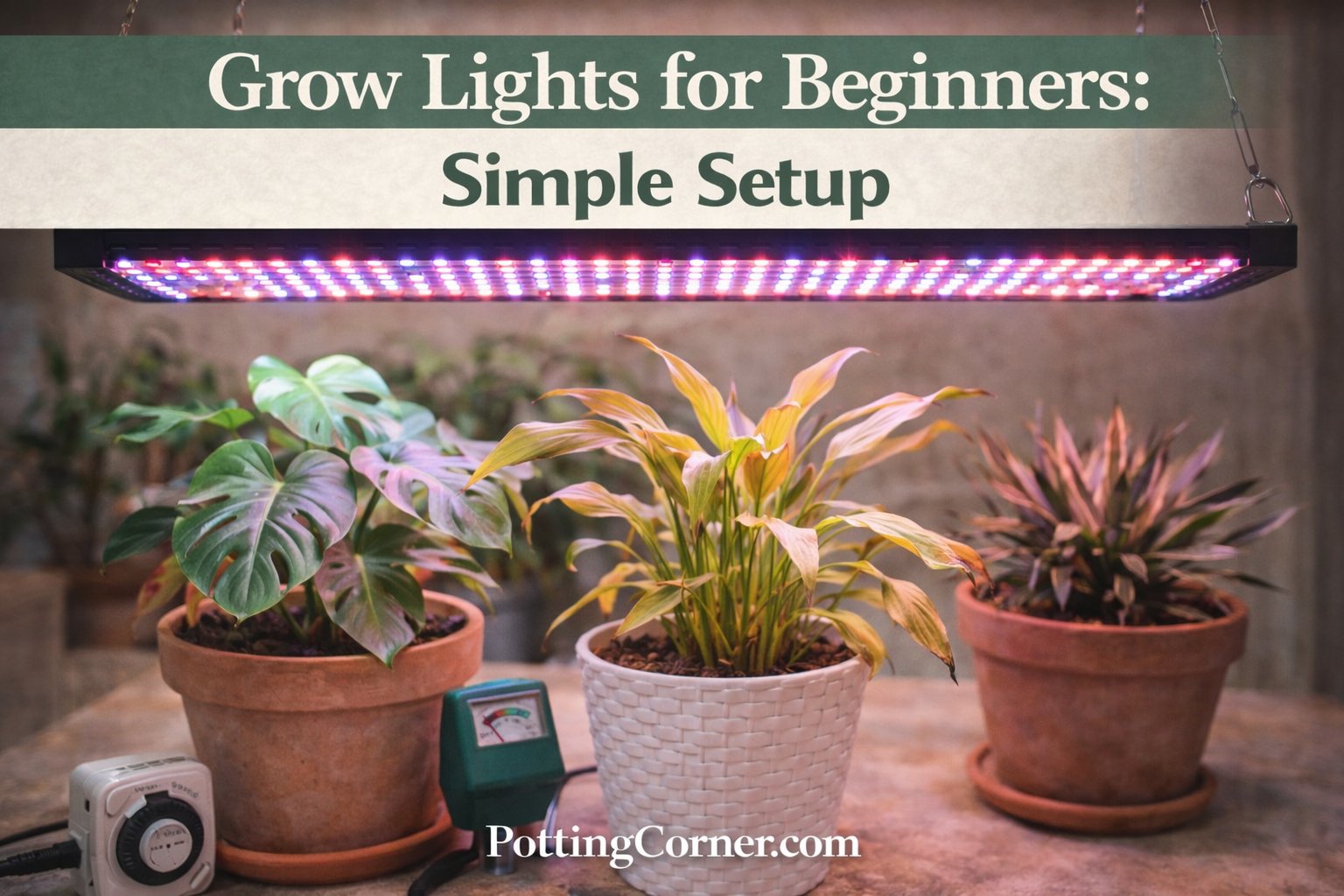
Not enough natural light? Grow lights can fill the gap, without complicated setups or expensive equipment. Here's a beginner-friendly guide to supplementing light for houseplants.

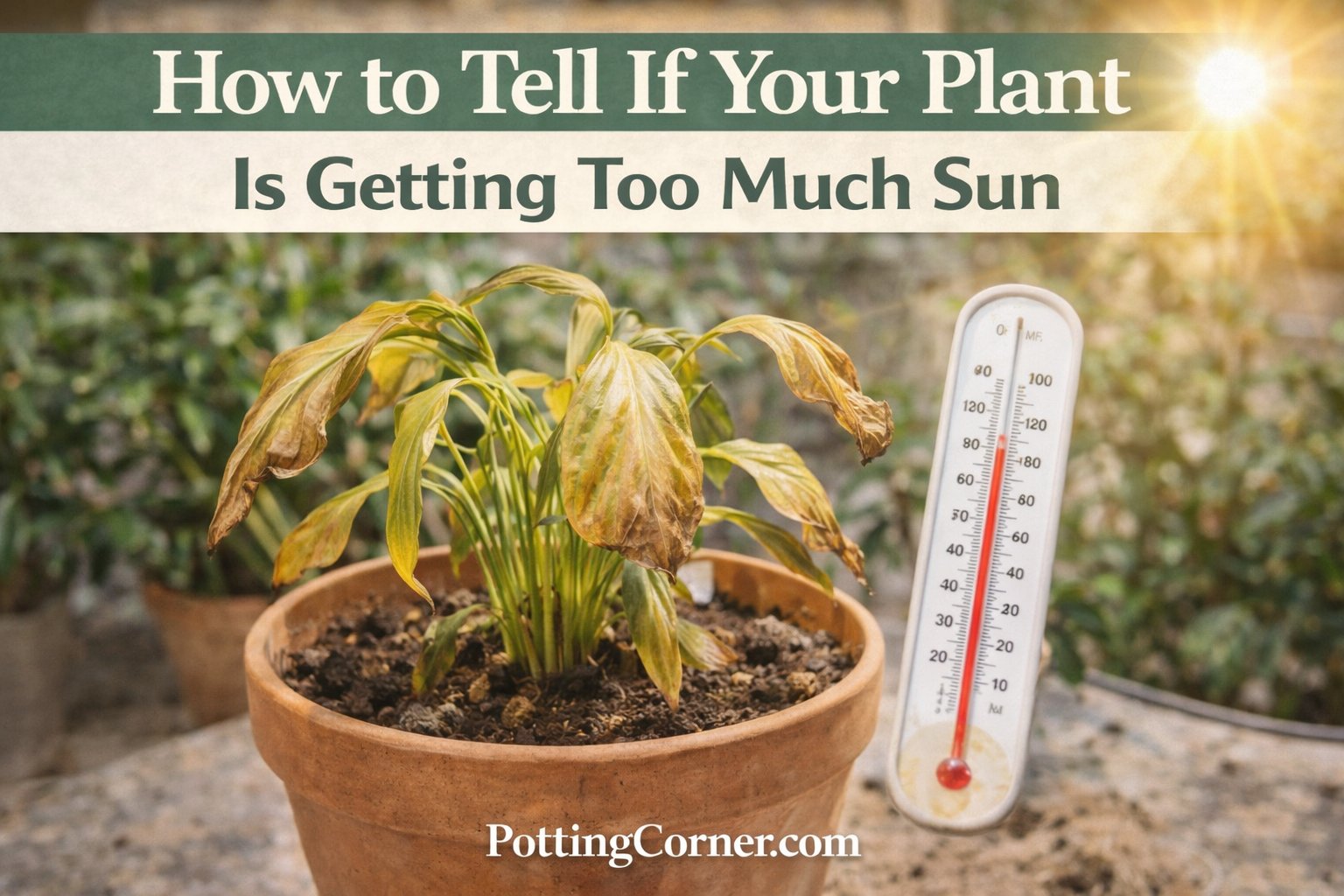
Scorched leaves, bleached spots and crispy edges, these are sunburn symptoms not watering problems. Here's how to recognize and fix sun damage on houseplants.

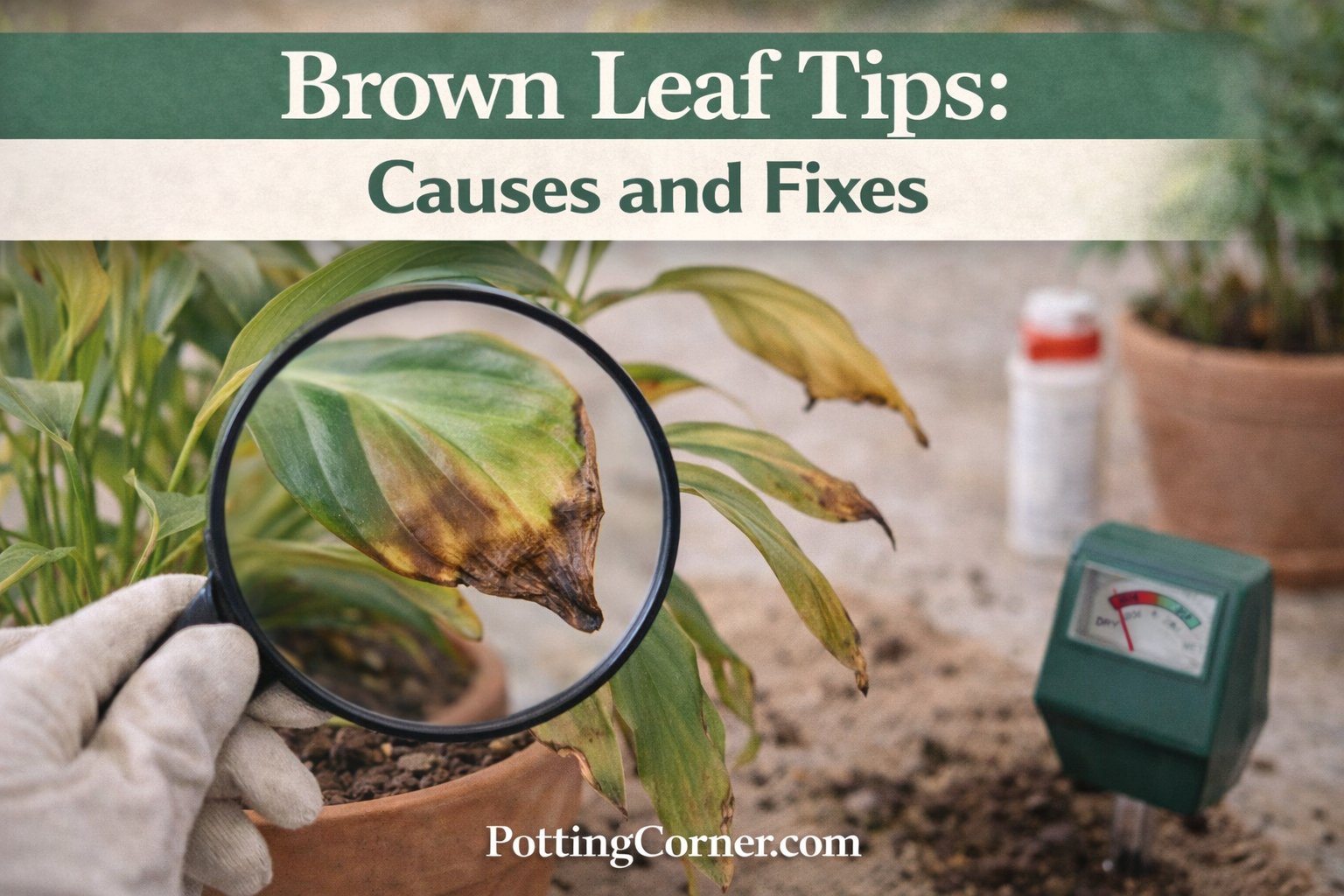
Those crispy brown tips on your houseplant leaves look bad and spread if the cause isn't addressed. Low humidity, inconsistent watering, salt buildup and other factors create this common problem.

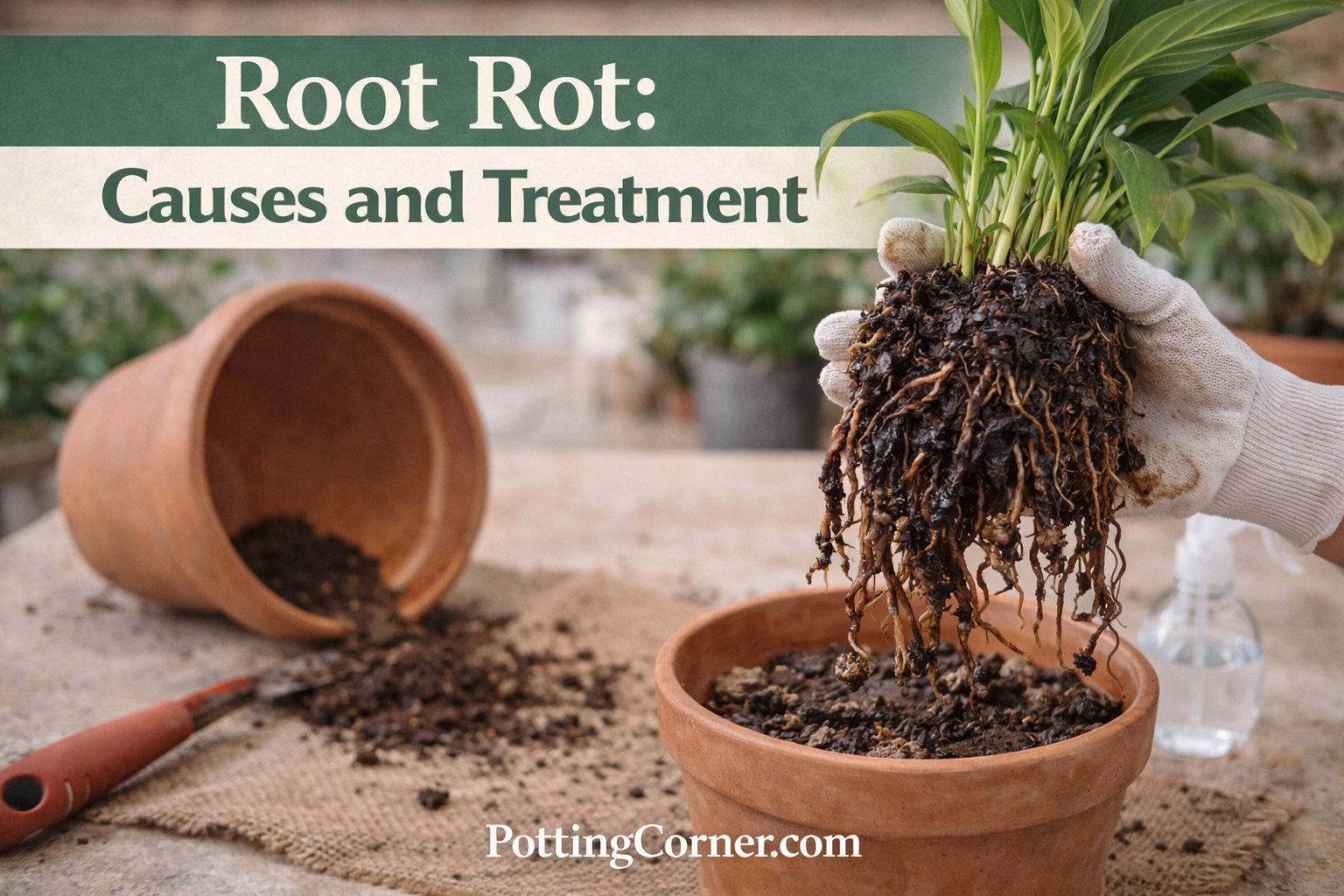
Root rot is the silent killer, by the time you notice symptoms, damage is significant. But if you act fast, you can save many plants. Here's how to recognize, treat and prevent this common problem.

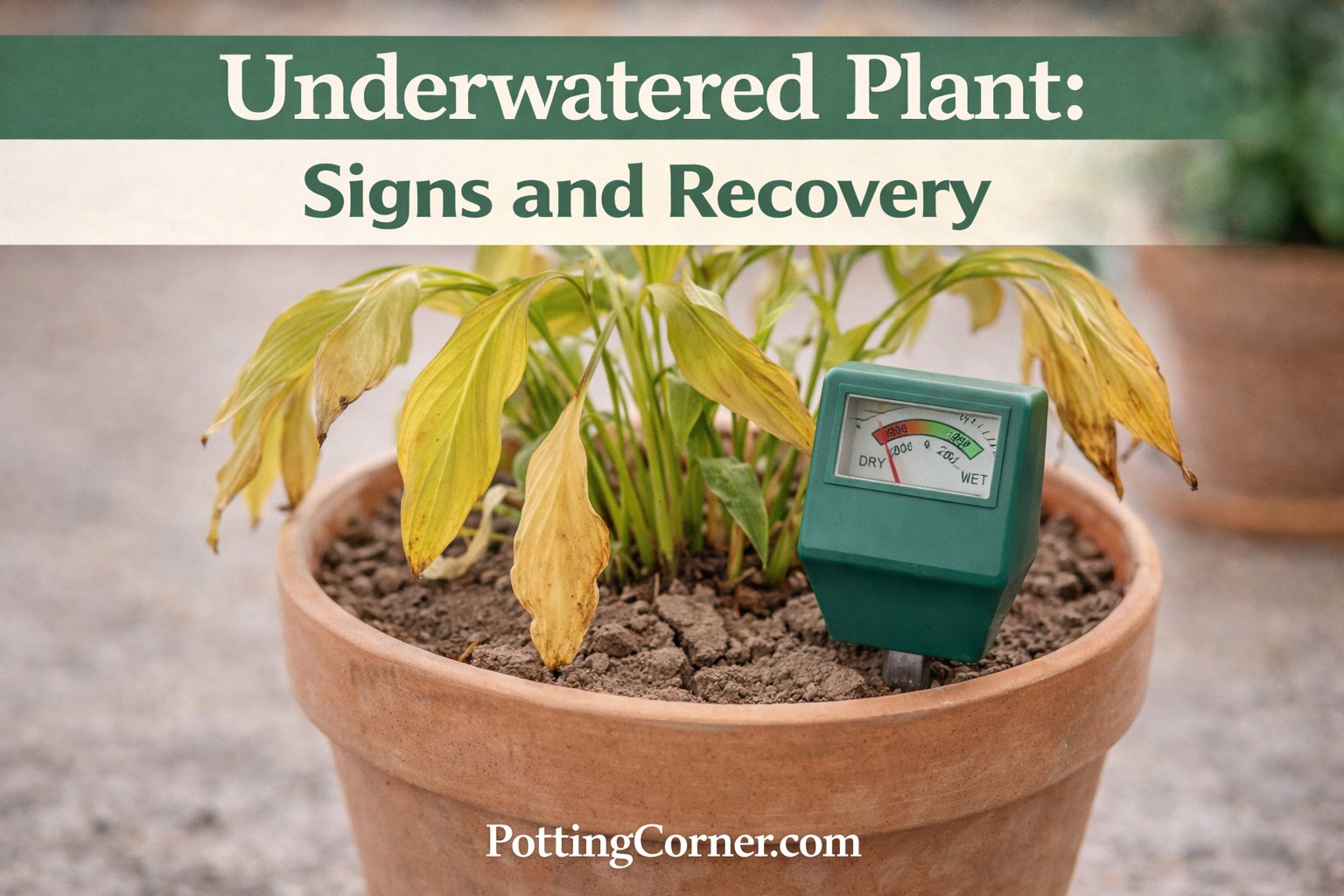
Drooping leaves, dry soil, crispy edges, your plant is parched. Unlike overwatering, underwatering is usually reversible with quick action. Most plants bounce back within hours of a good drink.

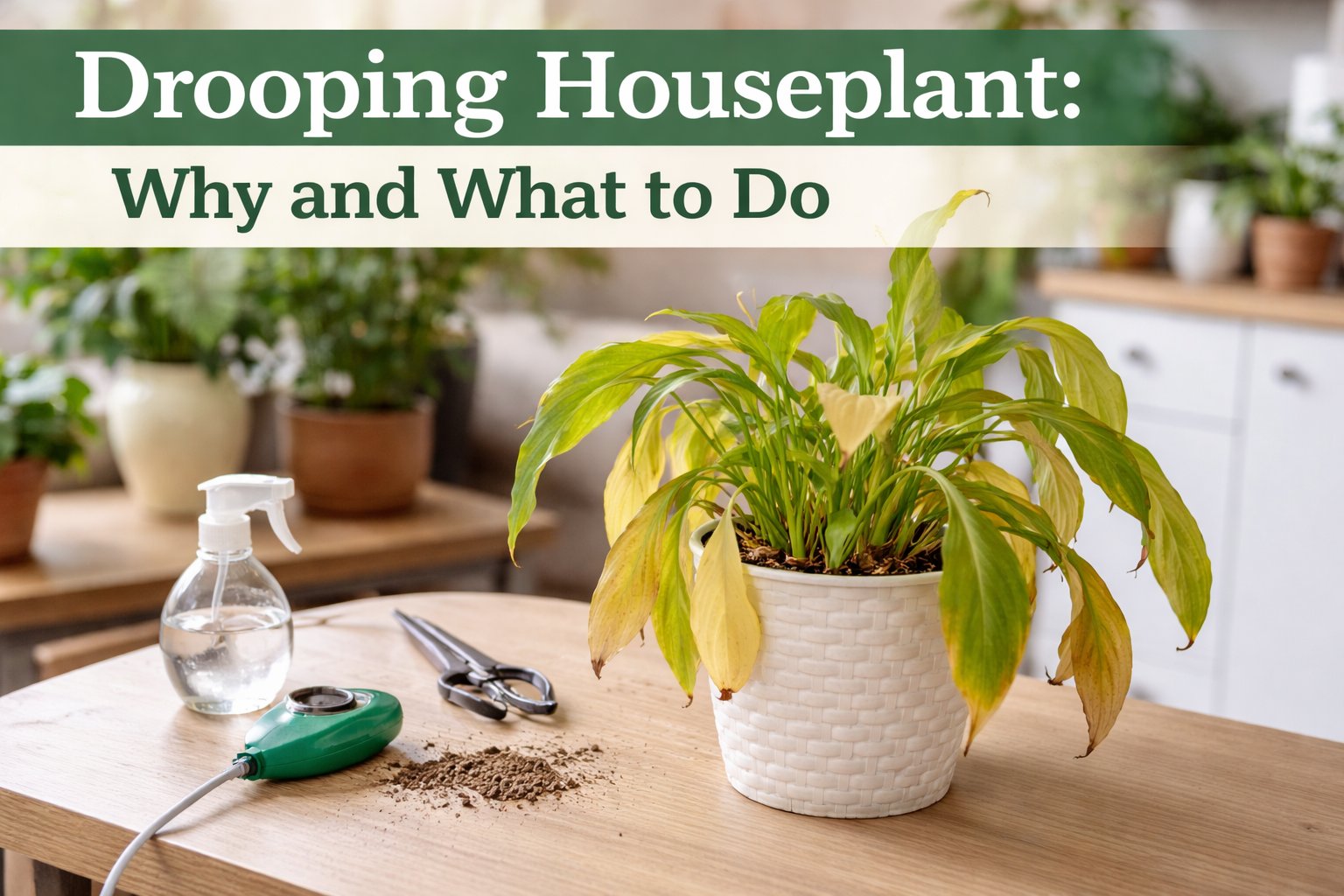
A drooping plant is begging for help but the cause could be thirst, overwatering, temperature shock, or transplant stress. The solution depends entirely on the diagnosis here's how to tell.

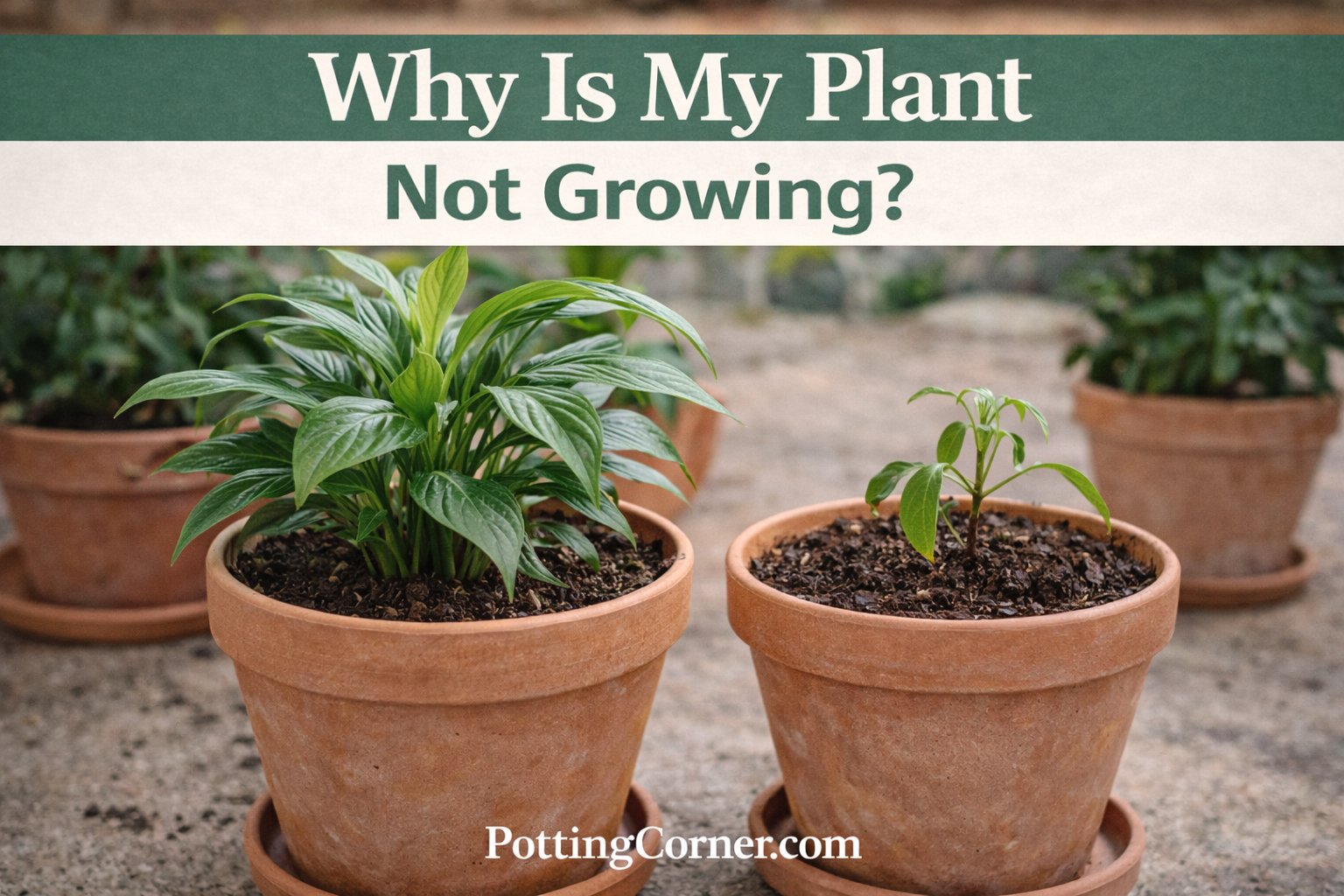
Your plant has been the same size for months. No new leaves, no visible progress. The causes usually come down to light, roots, or season and most are fixable with the right adjustments.